The Circleville Letters: The Unsolved Case That Haunted an Ohio Town
The Circleville Letters case: an anonymous Ohio writer sent thousands of threatening letters, drove one man to his death, and was never definitively identified.
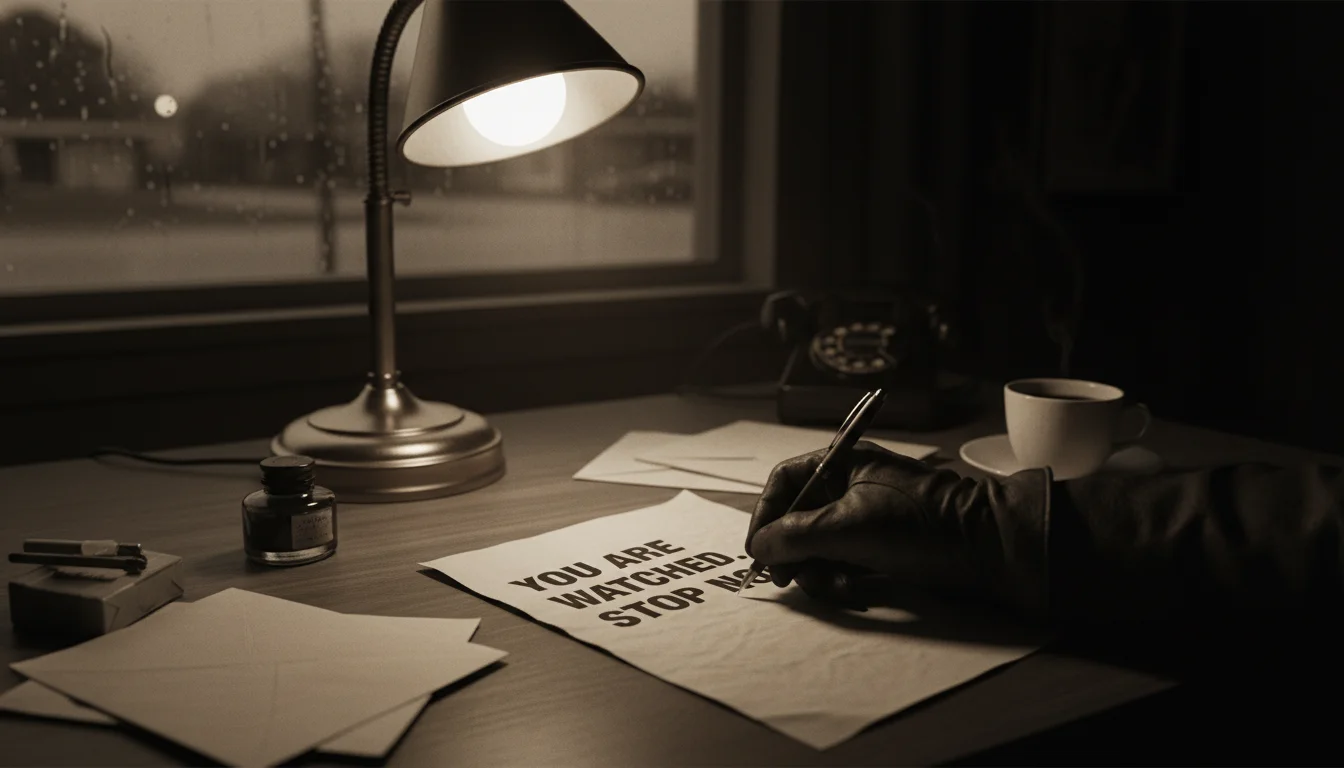
In 1976, residents of Circleville, Ohio - a quiet town of about 14,000 people south of Columbus - began receiving letters. Not ordinary letters. These were handwritten, menacing, and disturbingly personal. The anonymous writer seemed to know everything about everyone: affairs, secrets, lies, and the private lives people thought they had kept hidden.
What started as a handful of threatening notes became the Circleville Letters case - one of the strangest unsolved cases in American criminal history, involving attempted murder, a suspicious death, booby-trapped signs, and a conviction that many believe punished the wrong man.
The First Letters
The earliest known letters targeted Mary Gillispie, a school bus driver, and her husband Ron. The writer accused Mary of having an affair with Gordon Massie, the superintendent of the local school district. The letters warned Ron that if the affair did not stop, the writer would expose it publicly.
The handwriting was distinctive - blocky, all capitals, written with obvious anger. The letters contained details that only someone close to the couple would know. They arrived with no return address, postmarked from Columbus, about 30 miles north.
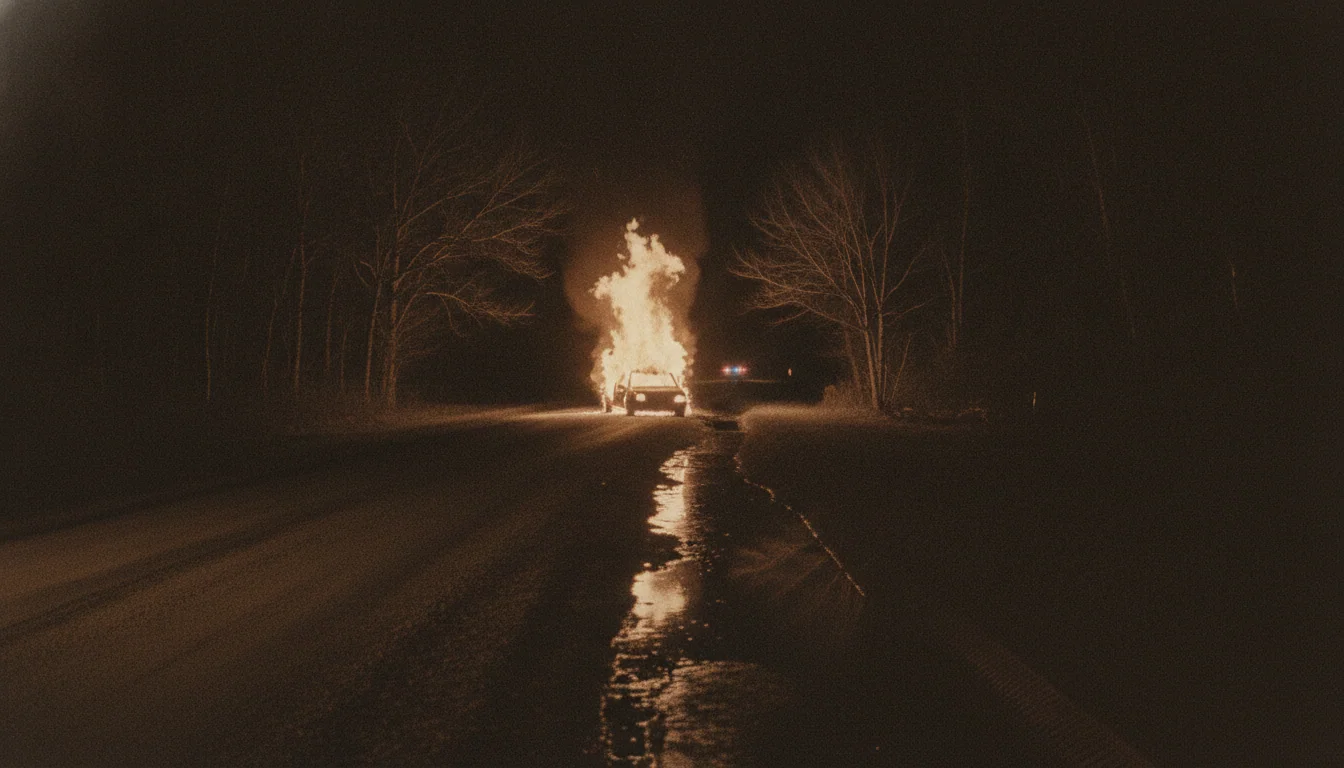
Ron Gillispie was furious. Not necessarily at his wife, but at whoever was tormenting his family. He told friends and family he was going to find the letter writer and put a stop to it. On the evening of August 19, 1977, Ron received a phone call. Whatever was said made him grab his gun and drive off into the night.
He never came back alive.
A Death on Westfall Road
Ron's pickup truck was found crashed into a tree on a rural road outside town. He was dead. His .25 caliber pistol lay on the seat beside him, with one round fired. The county coroner ruled it an accident - Ron had been drinking, lost control, and the gun discharged during the crash.
But the circumstances were suspicious. Why had he taken a loaded weapon? Who had called him? And why did the letters not only continue after his death, but intensify?
Within weeks, hundreds of new letters flooded the town. They targeted the school board, local politicians, and dozens of ordinary residents. The writer accused various townspeople of corruption, sexual misconduct, and criminal behavior. Some accusations turned out to be true. Many appeared to be fabrications designed to cause maximum damage.
The letters were relentless. At their peak, investigators estimated the writer was sending dozens per week to different recipients across the region.
Mary Gillispie and the Booby Trap
Mary Gillispie remained the primary target. After Ron's death, the letters to her became more aggressive, demanding she publicly admit the affair. When she didn't comply, the writer escalated.
In February 1983, while driving her school bus route, Mary noticed a hand-painted sign nailed to a fence along the road. It accused her by name of the affair with Massie. She stopped the bus, got out, and pulled at the sign.
It was rigged. A small box attached to the back of the sign contained a loaded .25 caliber pistol - the same caliber that had killed Ron - with a string tied to the trigger and connected to the sign. If Mary had pulled it differently, the gun would have fired directly at her.
The sign was crude but effective as a booby trap. The sheriff's department took over the investigation with renewed urgency. The gun was traced, and it led investigators to a man named Paul Freshour.
The Arrest of Paul Freshour
Paul Freshour was Mary Gillispie's former brother-in-law. He had been married to Ron's sister, Karen, though they were in the process of divorcing. Investigators linked the gun in the booby trap to Freshour, and handwriting analysts said his writing was consistent with the letters.
In October 1983, Freshour was arrested and charged with attempted murder for the booby-trapped sign. He was not charged with writing the letters - that was harder to prove - but the prosecution argued the gun was evidence enough.
At trial, Freshour insisted he was innocent. His defense pointed out that the handwriting analysis was inconclusive and that anyone could have obtained the gun. The jury convicted him anyway, and he was sentenced to 7 to 25 years in prison.
Case closed? Not even close.
The Letters Continue
Here is where the story takes its most chilling turn. After Freshour was locked up in the Pickaway County jail and then transferred to a state penitentiary, the letters kept coming. Same handwriting. Same intimate knowledge of Circleville residents. Same venom.
The writer even sent a letter to Freshour himself, taunting him: "Now when are you going to believe you aren't going to get out of there? I told them you didn't do it. You didn't."
If Freshour was the writer, he somehow continued his campaign from behind bars, smuggling out dozens of letters without detection. If he wasn't the writer, then the real culprit was still free and had let an innocent man go to prison.
Prison officials conducted searches and found no evidence that Freshour was writing or mailing letters. The postmarks continued to come from Columbus. Guards confirmed he had no access to outside mail beyond normal monitored channels.
Freshour applied for parole multiple times. Each time, just before his hearing, new letters would arrive at the parole board, seemingly designed to keep him locked up. He was repeatedly denied.
Theories and Suspects
The case generated endless speculation. The most common theories include:
Multiple writers. Some investigators believe the original letters were written by one person, possibly someone close to the Gillispie family, and that a second person took over - either as a copycat or collaborator. The shift in tone and targets after Ron's death supports this theory.
Karen Freshour. Paul's ex-wife had motive, access to personal information about the family, and was never seriously investigated. Some researchers believe she was either the writer or worked with someone else. She denied involvement until her death in 2014.
A network of letter writers. Circleville is a small town. Some investigators theorized that multiple people contributed information to a single writer, or that a group of residents used the letters as a weapon against people they disliked.
Paul Freshour acting alone. Despite the letters continuing from prison, some still believe Freshour was the writer who found ways to smuggle correspondence out. This theory requires believing in a conspiracy among fellow inmates or corrupt guards.
The Letters Stop
Paul Freshour was released from prison in 1994 after serving his full sentence. He had been denied parole every time. Remarkably, shortly after his release, the letters finally stopped.
This timing cuts both ways. If Freshour was the writer, his release meant he no longer needed to provoke from a distance. If he wasn't, perhaps the real writer felt the vendetta had run its course, or feared that a free Freshour might finally identify them.
Freshour spent his remaining years insisting on his innocence. He died in 2012, never having been cleared and never having confessed.
What We Know
The Circleville letter writer terrorized a community for nearly two decades. They drove one man to his death (or killed him), tried to murder a woman with a booby trap, and destroyed reputations across an entire town. They demonstrated an intimate knowledge of dozens of people's private lives and an obsessive patience that borders on pathological.
The letters themselves - estimated at over a thousand in total - were never subjected to modern forensic analysis like DNA testing on envelope adhesive or advanced handwriting comparison software. Many have been lost or destroyed.
The Pickaway County Sheriff's office considers the case closed with Freshour's conviction, despite the obvious problem that the letters continued while he was in prison.
For the residents of Circleville who lived through it, the mystery isn't academic. Someone in their community, someone they probably knew and spoke to regularly, spent years methodically tearing their lives apart. That person was never identified, never confessed, and never faced justice.
The mailbox, once a mundane fixture of daily life, became something to dread. In Circleville, Ohio, it still carries an echo of menace that no amount of time has fully erased. For other cases where anonymous written communications shaped a criminal mystery, see the Beale ciphers and the letters of Jack the Ripper.

Want to Interrogate the Suspects?
Chat with historical figures and uncover the truth behind history's greatest mysteries.
Start Your InvestigationJoin the HistorIQly Club
Get smarter about the past.
Weekly stories, deep dives, and exclusive content straight to your inbox.