The Elisa Lam Cecil Hotel Mystery: Death in the Water Tank
The Elisa Lam Cecil Hotel mystery: a Canadian student vanished in 2013, her body found in the rooftop water tank. The elevator footage still haunts the internet.
On January 31, 2013, a 21-year-old Canadian student named Elisa Lam checked into the Cecil Hotel in downtown Los Angeles. She was traveling alone on a West Coast tour, hitting San Diego, LA, and eventually Santa Cruz. She'd been posting photos to her Tumblr, texting her parents daily, and seemed to be enjoying herself.
Then the texts stopped.
Her parents called the LAPD on February 1. Officers searched the Cecil Hotel - all 600 rooms, the public areas, the rooftop. They brought in sniffer dogs. They found nothing. Elisa Lam had vanished inside one of the most infamous buildings in American history.
The Hotel With a Body Count
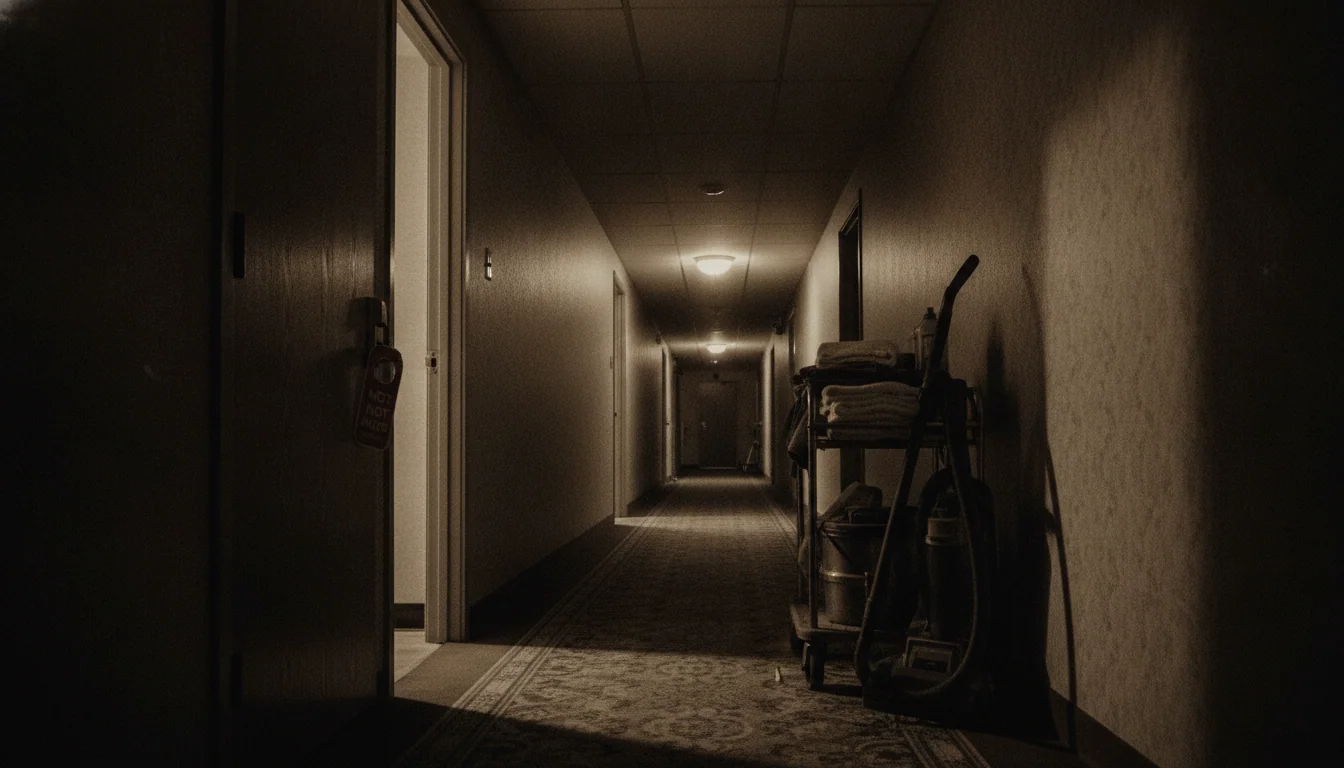
The Cecil Hotel wasn't just any hotel. Built in 1927, this 700-room behemoth on Main Street had become a magnet for tragedy almost from the moment it opened. At least 16 people had died there by suicide or murder over the decades. Serial killer Richard Ramirez - the Night Stalker - lived on the 14th floor during his 1985 killing spree. Austrian serial killer Jack Unterweger stayed there in 1991 while murdering three women in LA.
The hotel sat on the edge of Skid Row, surrounded by homelessness, drug use, and desperation. By 2013, the upper floors had been rebranded as "Stay on Main," a budget hostel marketed to young backpackers. Elisa Lam was exactly the kind of guest they were targeting.
She paid $53 a night.
The Elevator Footage
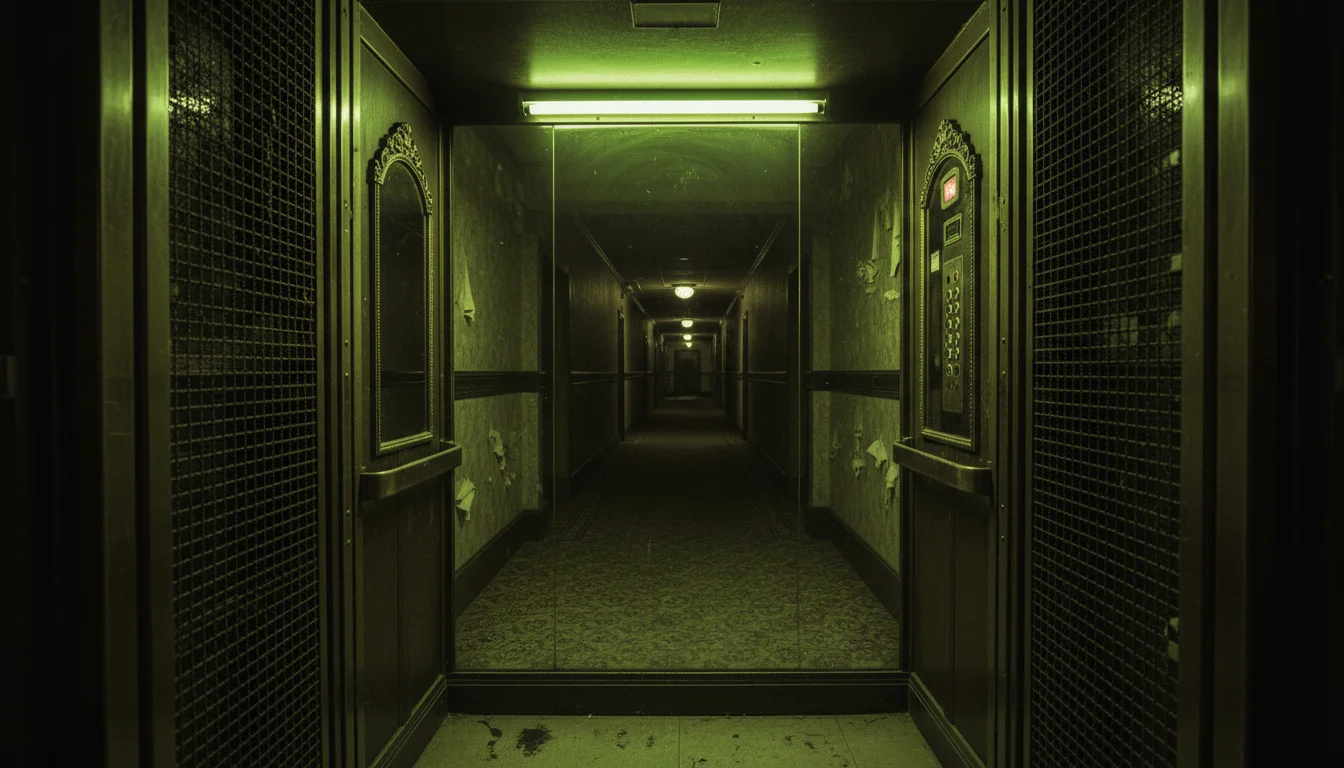
On February 13, with no leads and growing public pressure, the LAPD released surveillance footage from the Cecil Hotel's elevator. The four-minute clip, recorded on the night of January 31, would become one of the most analyzed pieces of video on the internet.
The footage shows Elisa entering the elevator and pressing multiple floor buttons. She waits. The doors don't close. She steps out, looks both ways down the hallway, then steps back in. She presses more buttons. The doors still don't close.
Then her behavior becomes harder to explain.
She steps in and out of the elevator repeatedly. At one point, she appears to hide in the corner of the elevator, as if avoiding someone in the hallway. She makes strange hand gestures - her fingers splayed, her arms moving in fluid, almost theatrical motions. She appears to be talking to someone who isn't visible on camera.
Eventually, she walks away down the hall. After she leaves, the elevator doors finally close and the car begins cycling through floors normally.
The internet exploded. Paranormal investigators called it evidence of possession. Others saw signs she was being pursued by an invisible stalker. The hand gestures spawned a thousand theories - was she playing a game? Communicating in code? Experiencing a psychotic episode?
The timestamp on the footage had been obscured, and sections appeared to be missing, fueling conspiracy theories about a cover-up.
Found in the Water Tank
For nearly three weeks after the video's release, guests at the Cecil Hotel complained about low water pressure. Some said the water tasted strange. Some said it ran black.
On February 19, 2013 - exactly 19 days after she disappeared - a maintenance worker climbed to the roof to inspect the hotel's four large water tanks. He opened one of the hatches and found Elisa Lam's body floating inside.
She was naked. Her clothes and personal belongings, including her phone, were floating alongside her. The tank's heavy lid had been closed.
The discovery raised immediate questions. The rooftop was supposedly locked and alarmed. The water tanks were accessible only via a fire escape and a ladder, and their lids were extremely heavy. How had a young woman with no apparent reason to be on the roof ended up inside a sealed water tank?
And perhaps more disturbingly - how had hundreds of hotel guests been drinking, bathing in, and brushing their teeth with water from a tank containing a decomposing body for nearly three weeks?
The Investigation
The LAPD investigation was slow and controversial. The initial autopsy was inconclusive, and the case remained open for months. Toxicology results took an unusually long time to process.
When the full coroner's report was finally released in June 2013, the official ruling was accidental drowning, with bipolar disorder listed as a significant contributing factor.
Elisa Lam had been diagnosed with bipolar disorder and depression. She had been prescribed several medications, including Wellbutrin, Seroquel, Effexor, and Lamotine. The toxicology report showed that some of her medications were present in trace amounts or not at all - suggesting she may have stopped taking them or was taking them inconsistently.
For investigators, the explanation was tragically straightforward. A young woman experiencing a bipolar episode, possibly off her medication, wandered to the rooftop in a confused state and climbed into the water tank - perhaps seeking to hide, perhaps not understanding the danger. The heavy lid could have been propped open or she could have closed it herself while treading water, then been unable to push it back open.
The Theories That Won't Die
The official ruling satisfied almost nobody.
The murder theory centers on the rooftop access. Multiple former guests and employees have said the alarm on the roof door was frequently broken or disabled. But even with roof access, getting into the water tank required climbing a ladder and lifting a lid that weighed roughly 20 pounds. Could someone in the grip of a manic episode do this? Possibly. Could someone have forced her in? Also possibly. No defensive wounds were found, but decomposition had been significant.
The hotel cover-up theory points to the Cecil's long history of deaths, the delayed investigation, and the obscured elevator footage. Why was the timestamp removed? Why were there apparent gaps in the video? The hotel had every financial incentive to minimize another death on its premises.
The Morbid the Game theory went viral in 2013. Internet sleuths discovered an independently produced horror film called "Dark Water" about a woman found dead in a rooftop water tank. Even stranger, there was a tuberculosis test called LAM-ELISA being used in the Skid Row area at the time of her death. These coincidences were exactly that - coincidences - but they fed the sense that something deeper was at work.
The paranormal theory never fully went away. The Cecil Hotel's dark history, the strange elevator footage, and the seemingly impossible logistics of the death kept ghost hunters and paranormal investigators coming back for years.
What the Footage Actually Shows
With the benefit of distance and mental health expertise, the elevator footage looks less mysterious and more heartbreaking. Mental health professionals who reviewed the video identified behavior consistent with a psychotic or severe manic episode. The repeated button pressing, the apparent conversations with no one, the unusual hand movements - these are recognizable symptoms, not supernatural phenomena.
The doors not closing likely had a mundane explanation: pressing all the buttons on the panel, or holding the "door open" button, could prevent the doors from shutting. In her confused state, Elisa may have inadvertently done this.
The Cecil Hotel Today
The Cecil Hotel closed in 2017 and underwent a major renovation. In 2021, it reopened as the Amica Hotel, a 600-unit affordable housing complex. The lobby that once served budget travelers now serves residents trying to rebuild their lives.
Netflix released a four-part documentary series about the case in 2021 called "Crime Scene: The Vanishing at the Cecil Hotel." It reignited public interest but was criticized for sensationalizing Elisa Lam's mental illness and giving airtime to internet conspiracy theorists who had harassed innocent people during their amateur investigations.
The Unsettled Truth
The coroner said accidental drowning. The case is officially closed. But "officially closed" and "solved" are different things.
We don't know exactly how Elisa Lam got to the roof. We don't know exactly how she got into the tank. We don't know if anyone else was involved. We don't know what happened in the hours between the elevator footage and her death.
What we do know is that a 21-year-old woman, traveling alone while managing a serious mental illness, died in one of the most disturbing ways imaginable in a hotel with a century-long history of death. The Cecil Hotel didn't kill Elisa Lam. But it's hard to argue it didn't play a role in the story.
Her parents settled a wrongful death lawsuit against the hotel in 2015. The terms were not disclosed.
Two other cases share the same quality - famous enough to attract amateur investigators, documented enough to frustrate them. Jack the Ripper's Whitechapel murders and the Black Dahlia murder both generated vast investigation and no resolution.
Elisa Lam was buried at Forest Lawn Memorial Park in Burnaby, British Columbia. She was 21 years old. Her Tumblr, where she once posted about fashion and her struggles with depression, remained active after her death - posts she had scheduled in advance continued to publish automatically for months, her digital voice outliving her physical one in the most modern and melancholy way possible.

Want to Interrogate the Suspects?
Chat with historical figures and uncover the truth behind history's greatest mysteries.
Start Your InvestigationJoin the HistorIQly Club
Get smarter about the past.
Weekly stories, deep dives, and exclusive content straight to your inbox.