Jack the Ripper and the Whitechapel Murders: History's Most Famous Unsolved Case
Jack the Ripper terrorized Whitechapel in 1888, murdering five women with surgical precision. Despite 137 years of investigations and DNA claims, his identity remains unknown.
Read Wikipedia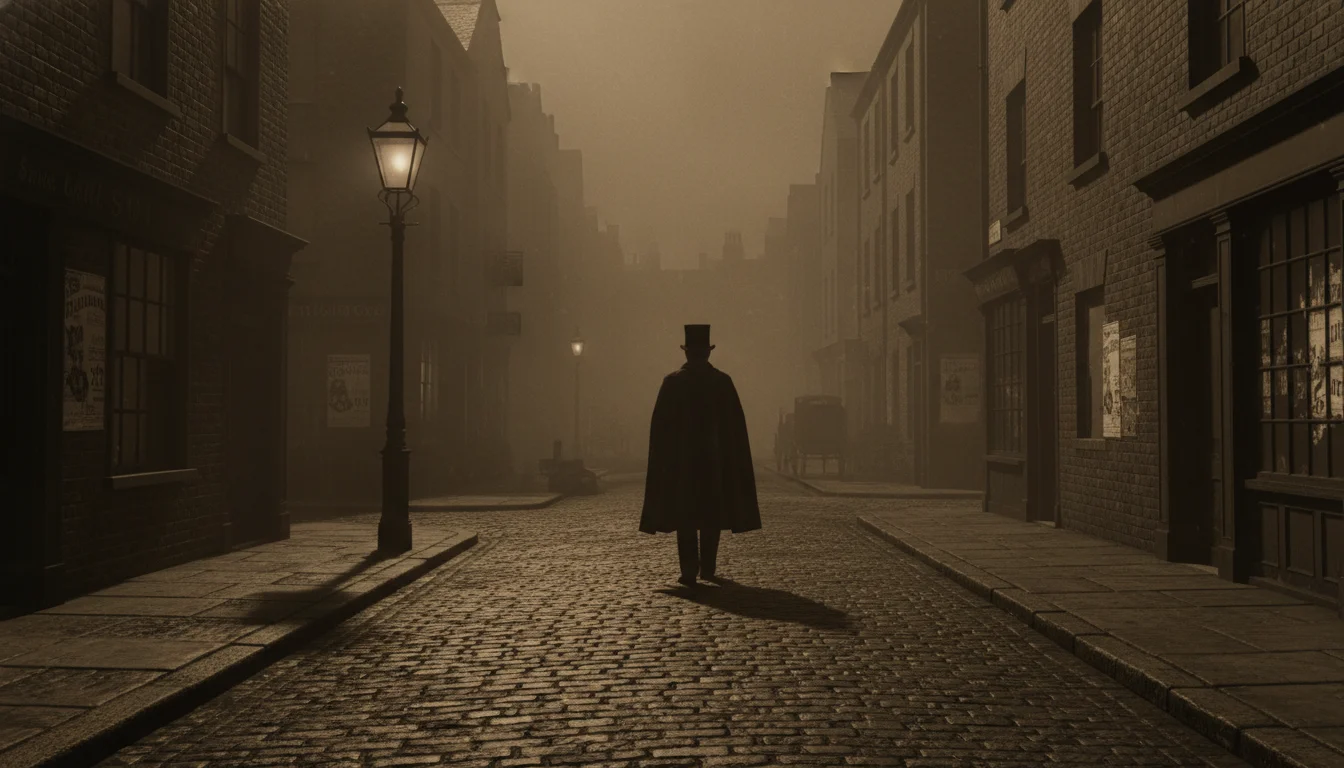
In the autumn of 1888, a killer stalked the fog-shrouded streets of London's East End. Over the course of just ten weeks, at least five women were murdered with such savagery that Victorian England had never witnessed anything like it. Their throats were slashed to the spine. Their bodies were mutilated with what appeared to be surgical precision. Internal organs were removed and, in some cases, taken away as grisly trophies.
The murderer was never caught. He signed his taunting letters "Jack the Ripper" - a name that would become synonymous with evil itself.
The Killing Ground
To understand Jack the Ripper, you must first understand Whitechapel.
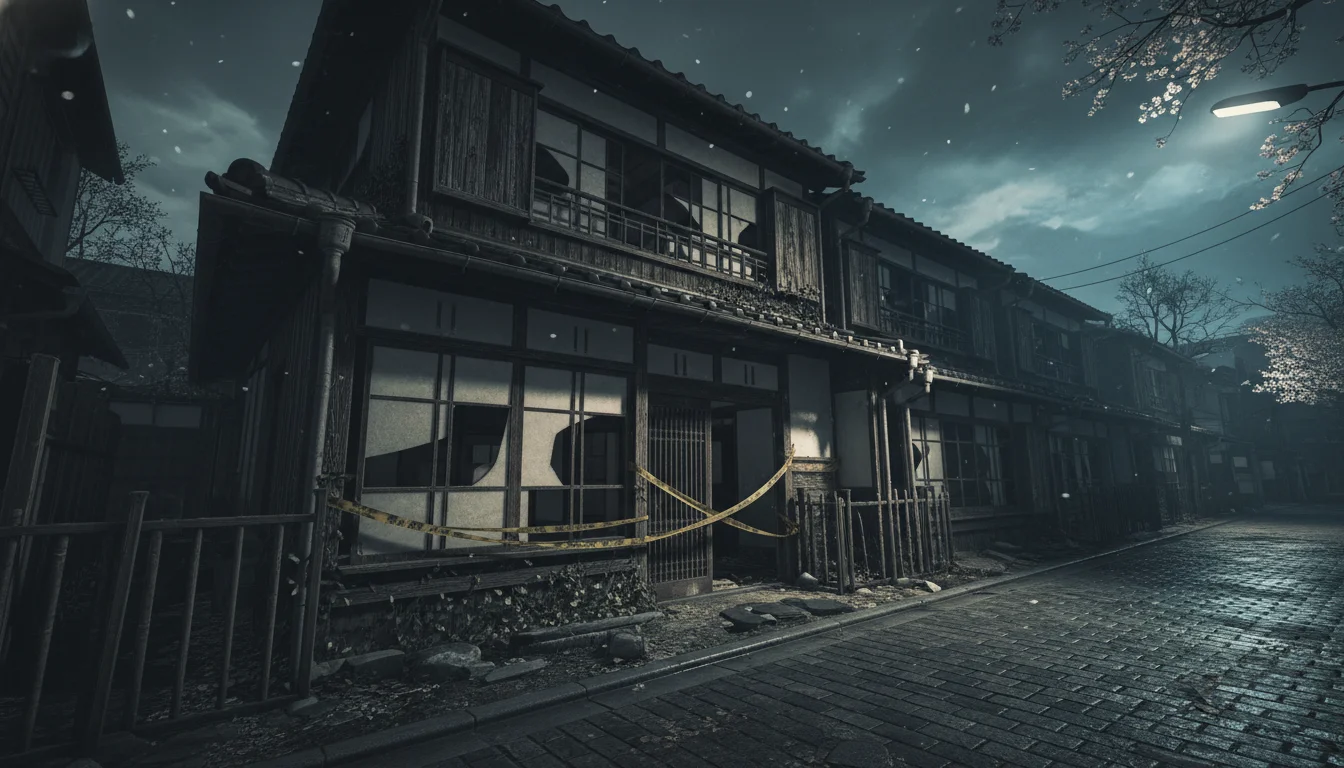
In 1888, this East End parish was one of the most dangerous places in the British Empire. Approximately 80,000 souls crammed into its narrow streets and crumbling tenements. Fifty-five percent of children born there died before their fifth birthday. The Metropolitan Police estimated that 1,200 women worked as prostitutes in the district, many of them sleeping in "coffin beds" at common lodging houses for fourpence a night.
Robbery, violence, and alcohol dependency were endemic. Irish immigrants fleeing famine had swelled the population for decades, followed by Jewish refugees escaping pogroms in Eastern Europe. Tensions simmered constantly. Into this seething cauldron of poverty and desperation came a predator unlike any London had seen.
The Canonical Five
While the police investigated eleven murders in their "Whitechapel murders" file between 1888 and 1891, five victims are universally attributed to Jack the Ripper. They became known as the "canonical five."
Mary Ann Nichols - August 31, 1888. Found at 3:40 AM in Buck's Row with her throat severed by two deep cuts and her abdomen ripped open. She was 43 years old.
Annie Chapman - September 8, 1888. Discovered at 6 AM behind 29 Hanbury Street. Her throat was cut to the spine, her abdomen entirely opened, and her uterus removed. A witness had heard her agree to go with a "shabby-genteel" man wearing a deerstalker hat just 30 minutes before.
Elizabeth Stride - September 30, 1888. Found at 1 AM in Dutfield's Yard with her throat cut but no abdominal mutilation. She may have been the only victim where the Ripper was interrupted.
Catherine Eddowes - September 30, 1888. Just 45 minutes after Stride's body was discovered, Eddowes was found in Mitre Square. Her throat was severed ear to ear. Her face was slashed, her nose cut off, and triangular incisions were carved into her cheeks. Her kidney and uterus had been removed. This became known as the "double event."
Mary Jane Kelly - November 9, 1888. The final and most horrific murder. Kelly was found in her rented room at 13 Miller's Court, eviscerated so completely that she was virtually unrecognizable. Her heart was missing from the crime scene.
The Letters
On September 27, 1888, a letter arrived at London's Central News Agency. Written in red ink, it taunted police and promised more killings:
"I am down on whores and I shant quit ripping them till I do get buckled..."
It was signed "Jack the Ripper."
Three days later - the night of the double event - another letter arrived, accompanied by half a preserved human kidney. Addressed to George Lusk of the Whitechapel Vigilance Committee, it read:
"From hell. Mr Lusk, I send you half the Kidne I took from one woman... tother piece I fried and ate it was very nise."
Most historians believe the "Dear Boss" letter was a hoax, likely written by journalists to boost newspaper sales. But the "From Hell" letter, with its grisly enclosure, remains deeply disturbing. The kidney showed signs of Bright's disease - the same condition Catherine Eddowes suffered from.
The Investigation
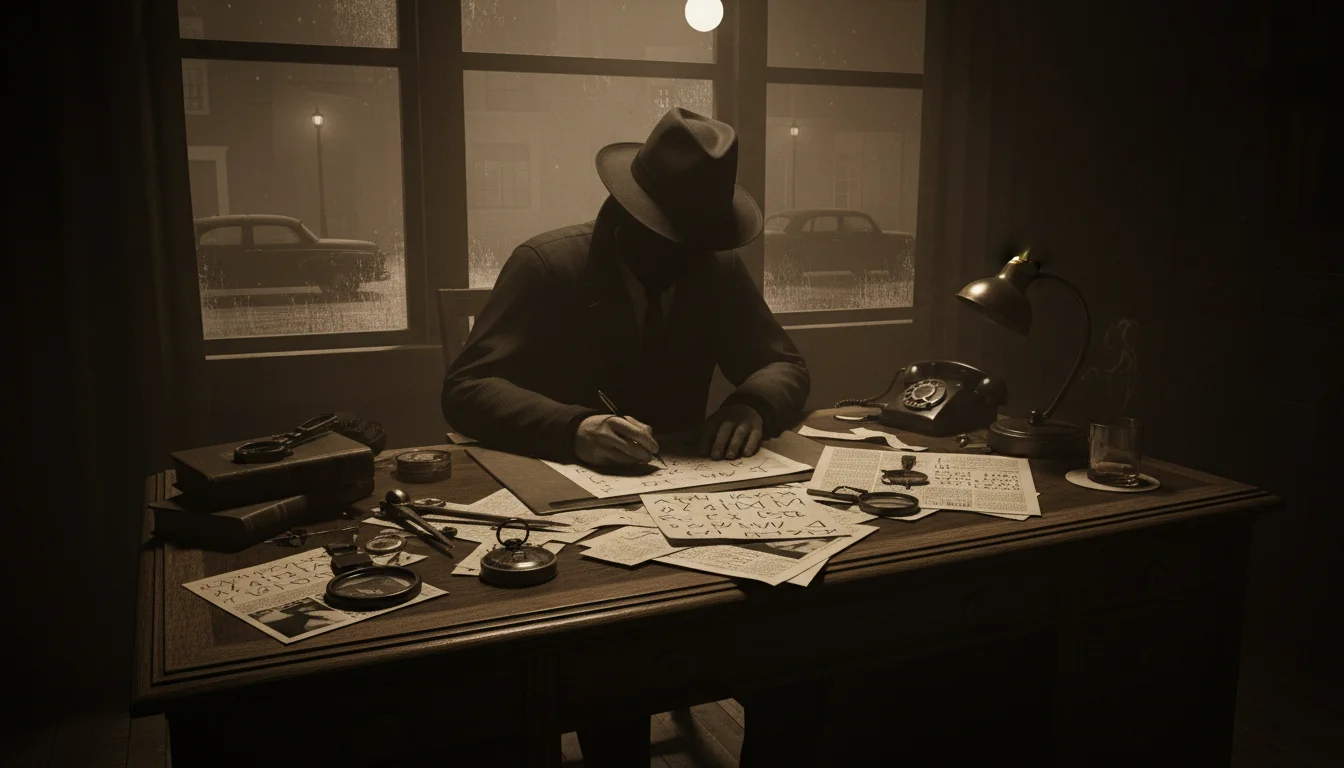
Scotland Yard launched the largest manhunt in British history. Officers flooded Whitechapel. Plainclothes detectives posed as homeless men. Surgeons were questioned about the killer's apparent anatomical knowledge.
But the investigation was hampered from the start. There was no fingerprinting in 1888. No DNA analysis. No CCTV. The crime scenes were trampled before proper examination. And in one catastrophic decision, Police Commissioner Sir Charles Warren ordered the erasure of a chalk message found near Catherine Eddowes' body: "The Juwes are The men That Will not be Blamed for nothing."
Warren feared the cryptic graffito would spark antisemitic riots. But it may have been the killer's only direct communication - destroyed before dawn.
Over 100 Suspects
In the 137 years since the murders, over 100 people have been named as Jack the Ripper. They range from the plausible to the absurd:
Aaron Kosminski - A Polish-Jewish immigrant and hairdresser who was later committed to an asylum. He remains the strongest suspect. In 2019, geneticists claimed to have found DNA evidence linking him to a shawl allegedly from one of the crime scenes. The claims were repeated in 2024 with historian Russell Edwards declaring a "100% match." However, the methodology has been fiercely disputed by scientists who note that mitochondrial DNA cannot definitively identify an individual.
Montague John Druitt - A barrister and schoolteacher who drowned himself in the Thames shortly after the final murder. He was named as a suspect in 1894 by Chief Constable Melville Macnaghten, but no solid evidence connects him to the crimes.
Prince Albert Victor - Queen Victoria's grandson. This royal conspiracy theory emerged in the 1970s but has been thoroughly debunked. The prince had documented alibis for several of the murders.
Walter Sickert - The painter was accused by crime novelist Patricia Cornwell, who spent millions on DNA analysis. Her theory remains controversial and largely rejected by Ripper scholars.
Dr. Thomas Neill Cream - A physician who was hanged in 1892 for unrelated murders. He allegedly said "I am Jack..." as the trapdoor opened, but he had a solid alibi - he was in prison in Illinois during the 1888 murders.
Why Does It Matter?
Jack the Ripper killed at least five women - far fewer than many other serial killers. So why does this case continue to captivate us?
Timing and circumstance created the perfect storm. The Ripper murders coincided with the rise of mass literacy and cheap newspapers. For the first time, a murder investigation played out in real-time across front pages nationwide. The combination of a mysterious killer, vulnerable victims, and a media desperate for sensational copy created the template for true crime coverage that persists today.
The setting mattered too. Gas-lit streets. Swirling fog. The contrast between respectable Victorian society and the hellish poverty of Whitechapel. Jack the Ripper became more than a murderer - he became a symbol of the darkness lurking beneath civilization's veneer.
The Unending Hunt
Every few years, someone claims to have finally solved the case. DNA evidence is presented. Old documents are reexamined. New suspects emerge from the shadows.
In 2025, Russell Edwards and his legal team announced they were seeking a new inquest, supported by descendants of both victim Catherine Eddowes and suspect Aaron Kosminski. They believe modern genetic analysis has finally cracked the case.
But skeptics point out that after 137 years, any physical evidence has been handled by countless people. Chain of custody is impossible to establish. The shawl at the center of Edwards' theory may never have been at the crime scene at all.
Jack the Ripper walked out of Whitechapel on a November night in 1888 and vanished into history. He left behind mutilated bodies, taunting letters, and a mystery that may never be solved. Did he die? Was he imprisoned? Did he simply stop killing?
The fog keeps its secrets.
The most famous serial killer in history remains what he always was: a shadow without a face, a name without an identity, a monster made of darkness and legend.
And somewhere in the vast records of Victorian London - in census returns and asylum records, police files and death certificates - his true name almost certainly exists. Waiting. Hiding in plain sight. Just as he did on those blood-soaked autumn nights when he prowled the streets of Whitechapel and earned his terrible immortality.
The Jack the Ripper case officially remains open with the City of London Police.
For more 19th-century cold cases that defied investigation, see our coverage of the Kaspar Hauser mystery and the Dark Countess of Hildburghausen.
Quick Answers
Common questions about this topic
How many victims did Jack the Ripper have?
Police investigated eleven murders in the 'Whitechapel murders' file between 1888 and 1891, but five victims are universally attributed to Jack the Ripper: Mary Ann Nichols, Annie Chapman, Elizabeth Stride, Catherine Eddowes, and Mary Jane Kelly. These five women, known as the 'canonical five,' were all killed between August and November 1888 in London's East End.
What was the 'From Hell' letter?
On October 16, 1888, a letter arrived addressed to George Lusk of the Whitechapel Vigilance Committee, accompanied by half a preserved human kidney. The letter read: 'From hell. Mr Lusk, I send you half the Kidne I took from one woman... tother piece I fried and ate it was very nise.' The kidney reportedly showed signs of Bright's disease, the same condition victim Catherine Eddowes suffered from.
Who is Jack the Ripper?
Jack the Ripper's identity remains unknown after more than 130 years. Over 100 people have been named as suspects, including Aaron Kosminski (a Polish-Jewish hairdresser later committed to an asylum), Montague John Druitt (a barrister who drowned himself soon after the killings stopped), and painter Walter Sickert. In 2019, geneticists claimed DNA evidence linked Kosminski to a shawl from a crime scene, but the methodology was fiercely disputed.
Why was the chalk message at the Eddowes scene erased?
After Catherine Eddowes' murder, a chalk message was found nearby: 'The Juwes are The men That Will not be Blamed for nothing.' Police Commissioner Sir Charles Warren personally ordered it erased at dawn, fearing it would spark antisemitic riots in Whitechapel. The message may have been the killer's only direct communication - destroyed before it could be photographed or fully analyzed.

Want to Interrogate the Suspects?
Chat with historical figures and uncover the truth behind history's greatest mysteries.
Create your free account →No card required. Some figures and features require a paid plan.
Join the HistorIQly Club
Get smarter about the past.
Weekly stories, deep dives, and exclusive content straight to your inbox.