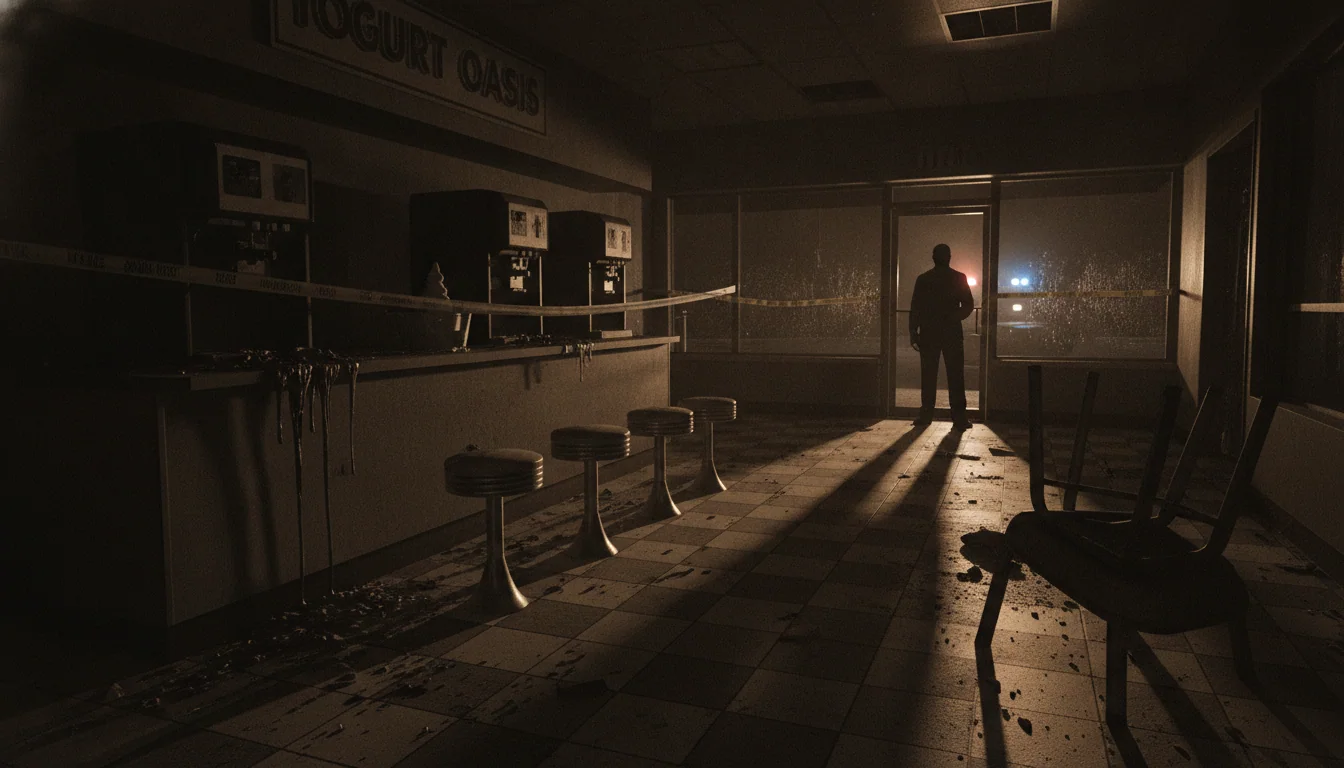
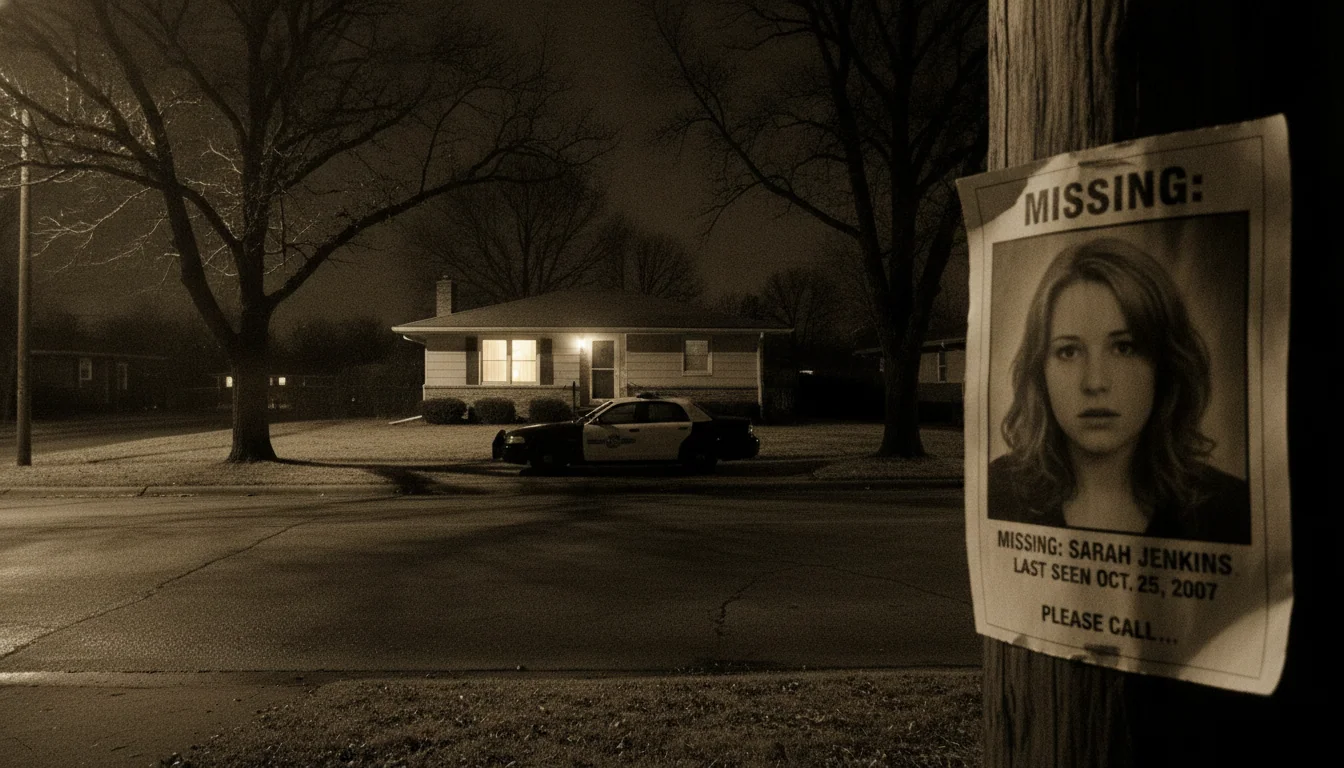
Keddie Cabin Murders: The Cabin 28 Quadruple Homicide Cold Case
In April 1981, four people were murdered in a remote California mountain resort. Despite a confession and physical evidence, the Keddie Cabin murders remain officially unsolved.
Read Wikipedia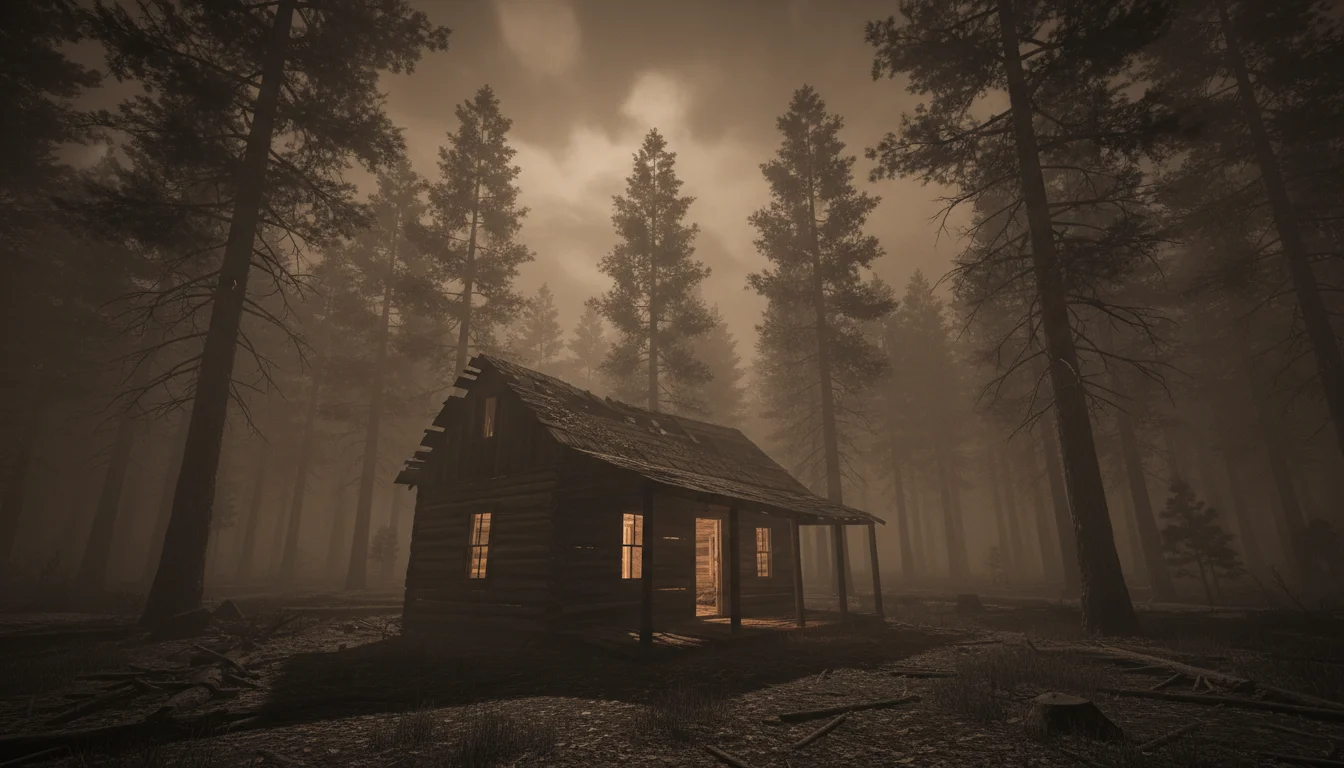
On the morning of April 12, 1981, fourteen-year-old Sheila Sharp walked across the quiet grounds of the Keddie Resort in the Sierra Nevada mountains of California. She was returning to Cabin 28, where her family lived. What she found inside would haunt an entire community for decades.
Her mother, Sue Sharp, lay dead in the living room. So did Sue's friend Dana Wingate, 17, and Sue's eldest son John, 15. All three had been bound with medical tape and electrical cord, then bludgeoned and stabbed with such violence that the weapons - a hammer and at least two knives - had bent and broken during the attack.
Sue's twelve-year-old daughter Tina was missing. She would not be found for nearly three years.
A House Full of Children
What made the crime even more disturbing was who survived it. On the night of the murders, Cabin 28 was full of people. Sue Sharp's two younger sons, Greg (5) and Rick (10), were asleep in a back bedroom. Two of their friends, Justin and Eddie, were also sleeping over. None of them heard a thing - or if they did, they were too terrified to move.
The killer or killers had carried out a prolonged, savage attack in the living room and main bedroom while children slept just meters away. They then took twelve-year-old Tina from the cabin, leaving no trace of how they removed her without waking the others.
The Investigation Falls Apart
The Plumas County Sheriff's Office was a small rural department, and the Keddie murders were unlike anything they had ever handled. From the very beginning, the investigation was plagued by problems.
The crime scene was not properly secured. Residents and curious onlookers contaminated the area before forensic technicians arrived. Critical evidence was mishandled or lost entirely. The cabin itself sat in a remote resort community where many residents were transient - drifters, seasonal workers, and people who had come to the mountains to disappear.
Despite these challenges, investigators had suspects almost immediately. Attention focused on two men: Martin Smartt, a neighbor who lived in Cabin 26 with his wife Marilyn, and John "Bo" Boubede, Smartt's friend who was staying with him at the time.
Martin Smartt was a Vietnam veteran with a history of mental instability and violent behavior. He had been treated at a psychiatric facility and was known to carry a hammer - the same type of weapon used in the killings. His wife Marilyn would later tell investigators that Martin had confessed to the murders, saying he and Bo had committed them.
The Confession That Led Nowhere
Marilyn Smartt's account was devastating. She described how Martin had come home that night with blood on his clothes. She said he told her what he and Bo had done. She said she had lived in terror of him for years afterward.
But Marilyn's statements were inconsistent across multiple interviews, and prosecutors felt her testimony alone was not enough to secure a conviction. Martin Smartt was never arrested. He died in 2000. Bo Boubede died in 1988. Both went to their graves without ever being charged.
The hammer believed to be the murder weapon was recovered from a pond near the resort. A knife sheath was found behind Cabin 28. Forensic evidence connected the weapons to the crime scene. But the chain of custody had been so badly mishandled that none of it could be used effectively in court.
Finding Tina
In April 1984, nearly three years after the murders, a bottle collector stumbled upon a human skull in a wooded area near Camp Eighteen, roughly 60 miles from Keddie. Further searching revealed additional remains. Dental records confirmed they belonged to Tina Sharp.
The location where Tina was found suggested her killer had some familiarity with the remote logging roads of the Sierra Nevada. Martin Smartt, who had worked in the area, knew those roads well.
Tina's cause of death could not be definitively determined due to the decomposition of her remains. What happened to her during the hours or days between her abduction and her death remains one of the most agonizing unanswered questions of the case.
The Cold Case Reopens
For decades, the Keddie murders sat in a file cabinet, gathering dust. The original investigators retired or died. The resort itself fell into disrepair. Cabin 28 was eventually demolished in 2004 - a decision that outraged those who believed it still held forensic secrets.
But the case refused to die. In 2013, the Plumas County Sheriff's Office formally reopened the investigation. New forensic technologies, including advanced DNA analysis, were applied to the surviving evidence. Investigators reinterviewed witnesses and reexamined the original case files.
In 2016, the sheriff's office announced they had identified the suspected killers: Martin Smartt and John Boubede. The announcement confirmed what many had long suspected but could never prove. Both men were dead, and no charges could be filed.
The motive remained murky. Some investigators believed Smartt had been in a rage over his deteriorating marriage and had targeted Sue Sharp, whom he blamed for encouraging Marilyn to leave him. Others suggested darker motives connected to Tina's abduction. The full truth may have died with the killers.
Why It Still Matters
The Keddie Cabin murders represent a particular kind of failure - the kind where everyone knows who did it, but the system could not deliver justice. The evidence was there. The confession was there. The opportunity was there. And still, two men lived out their lives as free men after butchering a mother, her son, his friend, and abducting a twelve-year-old girl.
For the surviving Sharp children, the aftermath was its own kind of horror. Scattered into foster care, they grew up carrying the weight of what happened in Cabin 28. Some have spoken publicly about the case. Others have chosen silence.
The Keddie Resort is gone now, reclaimed by the forest. The cabin where it happened is a patch of empty ground. But the questions linger in the mountain air, unanswered and unresolved, a reminder that knowing the truth and proving the truth are not the same thing.
The case remains officially open. Officially unsolved. And for those who remember, officially unforgivable. Cases like the Dyatlov Pass incident and the Hinterkaifeck murders share this same quality: answers that remain just out of reach, suspects identified too late to prosecute.

Want to Interrogate the Suspects?
Chat with historical figures and uncover the truth behind history's greatest mysteries.
Create your free account →No card required. Some figures and features require a paid plan.
Join the HistorIQly Club
Get smarter about the past.
Weekly stories, deep dives, and exclusive content straight to your inbox.