Is Saving Private Ryan a True Story? The Real Niland Brothers Behind the Film
Is Saving Private Ryan a true story? Yes and no - it's based on the Niland brothers, but the rescue mission never happened. We fact-check every major detail.
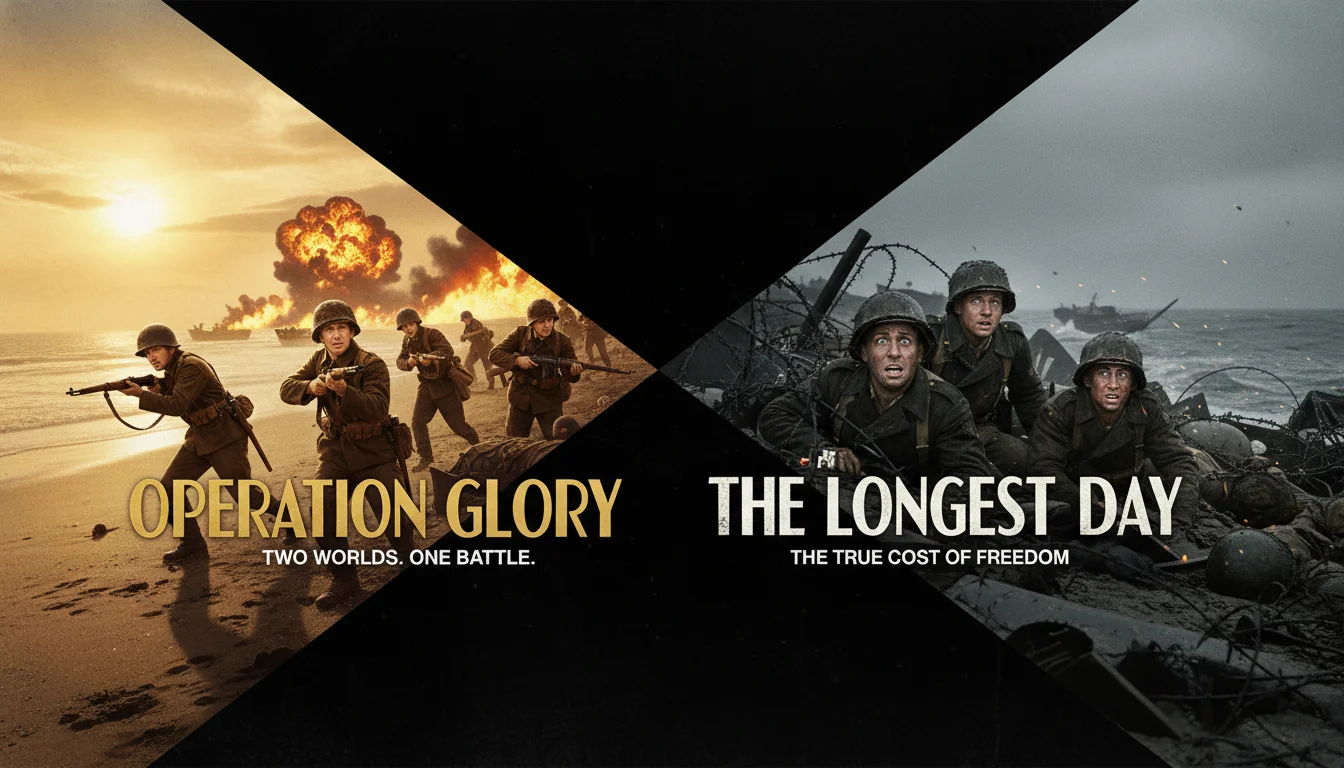
Is Saving Private Ryan a true story? The short answer is partially - the Niland brothers were real, but the rescue mission was invented. Steven Spielberg's 1998 masterpiece is widely considered the greatest war film ever made. Its opening 27 minutes depicting the Omaha Beach assault left audiences shell-shocked and veterans weeping in theater aisles. But beneath the visceral filmmaking lies a story that blends real events with pure Hollywood invention.
Let's break down what the film got right, what it got wrong, and where Spielberg bent history for dramatic effect.
What Hollywood Got RIGHT
The Omaha Beach Sequence Is Devastatingly Accurate
Military historians and D-Day veterans have called the opening sequence the most realistic depiction of combat ever filmed. The chaos of landing craft doors dropping into machine gun fire, soldiers drowning under equipment weight, and the sheer randomness of survival all match firsthand accounts. Spielberg consulted extensively with historian Stephen Ambrose and interviewed D-Day survivors. The detail is extraordinary: bullets zipping through water, medics overwhelmed by casualties, and the deafening confusion that made coordinated action nearly impossible.
Captain Dale Dye, the film's military advisor, put the cast through a brutal boot camp to ensure authentic behavior under fire. Veterans who watched the film reported it triggered intense flashbacks, perhaps the strongest endorsement of its accuracy.
The Niland Brothers Inspired the Story
The film's central premise is based on a real family. The four Niland brothers from Tonawanda, New York all served in World War II. Fritz Niland was pulled from combat after the military believed three of his brothers had been killed. Two brothers, Robert and Preston, died within days of each other around D-Day. A third, Edward, was initially reported killed in Burma but was actually a prisoner of war and survived. The Army's "Sole Survivor Policy" was real, later formalized after the five Sullivan brothers died together on the USS Juneau in 1942.
Equipment and Uniforms Are Meticulous
The film's props department achieved remarkable accuracy. The M1 Garand rifles, Thompson submachine guns, and BAR automatic rifles are all period-correct. The distinctive "ping" of an empty M1 Garand clip ejecting became one of the film's iconic sounds. German equipment, including the Tiger tank and MG 42 machine guns, is faithfully represented. Uniforms, insignia, and gear loadouts match historical records closely.
The Brutality of Urban Combat in Normandy
The film's depiction of fighting through hedgerow country and bombed-out French towns accurately captures the grinding, close-quarters nature of the Normandy campaign after the beaches. The Battle of Ramelle, while fictional, reflects the desperate engagements that occurred throughout June and July 1944 as Allied forces pushed inland.
What Hollywood Got WRONG
No Rescue Mission Like This Ever Happened
Here's the big one. While the Niland case was real, the Army never sent a squad of Rangers behind enemy lines to find one specific private and bring him home. Fritz Niland was located by a chaplain, Father Francis Sampson, who found him at a base camp and informed him of his brothers' fates. There was no dramatic firefight. No bridge to defend. No Captain Miller leading a squad through occupied France. The entire rescue mission is pure invention.
Captain Miller's Background Is Hollywood Fantasy
Tom Hanks' character, Captain John Miller, the schoolteacher turned combat leader, is entirely fictional. While many officers came from civilian backgrounds, the mystery surrounding Miller's pre-war life was a screenwriting device, not a reflection of how soldiers actually interacted. In reality, soldiers in tight-knit units knew each other's backgrounds well.
The Final Battle Is Strategically Implausible
The climactic defense of a bridge in the fictional town of Ramelle stretches military logic. A small squad choosing to defend a bridge against an armored column, rather than simply destroying it, makes for great cinema but poor tactics. In reality, engineers would have demolished the bridge and the squad would have withdrawn. The arrival of P-51 Mustangs at the last second is classic Hollywood timing.
German Soldiers Are One-Dimensional
The film largely depicts German forces as faceless enemies or, in the case of "Steamboat Willie," as untrustworthy cowards. This ignores the complexity of the Wehrmacht, which included reluctant conscripts, Eastern European forced recruits, and soldiers who were themselves victims of the Nazi regime. The Normandy garrison included many non-German soldiers from occupied territories.
The Sniper Duel Is Heavily Dramatized
Private Jackson's almost supernatural marksmanship, including his prayer-and-shoot routine, is Hollywood embellishment. While skilled marksmen certainly served in WWII, the film's depiction owes more to Western movie tropes than actual sniper doctrine. Real snipers worked in pairs and relied on patience and concealment, not quick-draw heroics.
Historical Accuracy Score: 6/10
Saving Private Ryan earns its reputation through the extraordinary authenticity of its combat sequences, particularly the Omaha Beach landing. The period details, equipment, and visceral portrayal of warfare's horror are nearly unmatched. However, its central narrative is almost entirely fictional. The real Niland story involved a chaplain and paperwork, not a suicide mission through occupied France. Spielberg crafted an emotionally devastating war film that captures the truth of combat experience while telling a story that never happened. It is simultaneously one of the most realistic and most fictional war movies ever made.
The film's greatest achievement may be this paradox: by inventing a story, Spielberg told a deeper truth about sacrifice, duty, and the impossible arithmetic of war. Just don't mistake it for a documentary.
For other WWII films fact-checked against the historical record, see 1917 vs. History and The Bridge on the River Kwai vs. History.
Quick Answers
Common questions about this topic
Is Saving Private Ryan based on a true story?
Partially. The film is loosely based on the real Niland brothers from Tonawanda, New York. All four brothers served in WWII, and the Army really did pull Fritz Niland from combat after believing three of his brothers had been killed. However, the rescue mission depicted in the film never happened - Fritz was located by a chaplain, not by a squad of Rangers.
How accurate is the Omaha Beach landing scene?
The opening 27-minute Omaha Beach sequence is devastatingly accurate. Military historians and D-Day veterans have called it the most realistic depiction of combat ever filmed. The chaos of machine gun fire, soldiers drowning under equipment weight, and the sheer randomness of survival all match firsthand accounts. Spielberg consulted extensively with historian Stephen Ambrose and interviewed D-Day survivors.
Did the Army really send a squad to rescue a single soldier?
No. While the Niland case was real, the Army never sent a squad of Rangers behind enemy lines to find a specific private and bring him home. The entire rescue mission depicted in the film is fictional. Captain John Miller, the schoolteacher-turned-combat-leader, is also a made-up character.
What actually happened to the real Fritz Niland?
Fritz Niland was located by Father Francis Sampson, a Catholic chaplain, who found him at a rear base camp and informed him of his brothers' fates. There was no dramatic firefight. Two of his brothers, Robert and Preston, died around D-Day. A third brother, Edward, was initially reported killed in Burma but was actually a Japanese prisoner of war who survived.

Debate the Accuracy with the Real Figures
Ask the real people what Hollywood got wrong about their lives.
Chat with HistoryJoin the HistorIQly Club
Get smarter about the past.
Weekly stories, deep dives, and exclusive content straight to your inbox.