Is The Revenant a True Story? What Really Happened to Hugh Glass
Is The Revenant based on a true story? Yes, on the 1823 bear attack on Hugh Glass - but Fitzgerald, Hawk, and the revenge plot were Hollywood inventions.
Read Wikipedia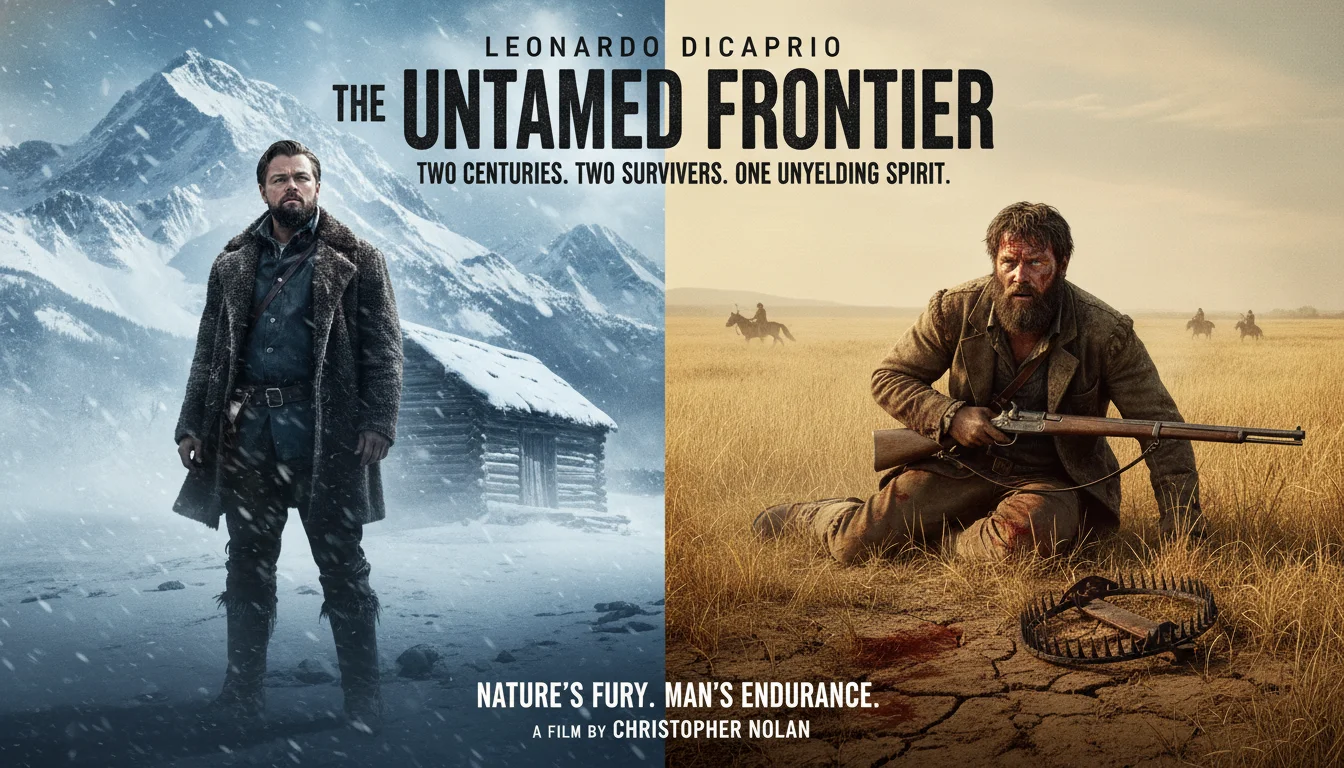
Few survival stories have captured audiences like The Revenant (2015), where Leonardo DiCaprio drags his mauled body through a frozen wilderness seeking revenge. The film earned DiCaprio his long-awaited Oscar and grossed over $530 million worldwide. But the real Hugh Glass story is even wilder than what Alejandro Inarritu put on screen, and much of what made it into the movie never actually happened. (For other DiCaprio biographical dramas we've fact-checked, see our looks at The Aviator and the older frontier classic Bonnie and Clyde.)
What Hollywood Got RIGHT
The Bear Attack Was Real
The core of the story is true. In August 1823, fur trapper Hugh Glass was mauled by a grizzly bear near the forks of the Grand River in present-day South Dakota. The attack was savage. According to early accounts, the bear tore flesh from his back, ripped his scalp, and left him with a broken leg and exposed ribs. His companions on the Andrew Henry expedition genuinely believed he would die within hours.
He Was Abandoned
This happened. Two men were paid to stay with Glass until he died and give him a proper burial. Instead, after several days, they took his rifle, knife, and supplies and left him for dead. One of those men was the young Jim Bridger, who would later become one of the most famous mountain men in American history. The other was John Fitzgerald, the film's main villain.
The Incredible Crawl
Glass survived and crawled roughly 200 miles back to Fort Kiowa. He set his own broken leg, let maggots clean his infected wounds, and survived on berries, roots, and the carcass of a buffalo calf he found being attacked by wolves. This part of the story, while embellished over two centuries of retelling, appears to be grounded in fact.
The Fur Trade World
The film does an excellent job recreating the brutal reality of the Rocky Mountain fur trade in the 1820s. The tensions between trappers and the Arikara (called "Ree" by the trappers), the isolated trading posts, and the sheer hostility of the frontier are all historically grounded.
What Hollywood Got WRONG
No Pawnee Wife, No Half-Native Son
The film's entire emotional core is a fabrication. There is zero historical evidence that Glass had a Pawnee wife or a mixed-race son named Hawk. The vengeful father storyline, Fitzgerald killing his son, the flashbacks to his family - all invented for the movie. One account suggests Glass may have lived among the Pawnee for a few years, but even that is unverified, and he certainly had no teenage son by 1823.
The Journey Happened in Late Summer, Not Winter
Those gorgeous, brutal winter landscapes? Historically inaccurate. Glass was mauled in August 1823, and his crawl back to Fort Kiowa took place in late summer and early fall across the South Dakota prairie. The blizzards, frozen rivers, and hypothermia-inducing conditions were dramatic choices by Inarritu, not reflections of reality.
Glass Never Killed Fitzgerald
In the film's climactic scene, Glass tracks down Fitzgerald for a bloody knife fight. In reality, Glass eventually caught up with both Bridger and Fitzgerald but killed neither. He forgave the young Bridger, who was only about 17 at the time. As for Fitzgerald, by the time Glass found him, Fitzgerald had enlisted in the US Army. Killing a soldier would have meant execution, so Glass settled for getting his rifle back. The real ending is far less cinematic but arguably more interesting: a man who crawled 200 miles for revenge and then chose to walk away.
No Cliff Jump on Horseback
The dramatic scene where Glass rides a horse off a cliff into a tree to escape pursuing Natives never happened. Similarly, he never gutted a dead horse and climbed inside it for warmth. Both scenes are pure Hollywood invention.
Glass Was Not the Expedition Guide
The film portrays Glass as the experienced guide leading the Henry expedition. In reality, Glass was a relatively new addition to the frontier. He had only arrived in the West a year or two earlier. He was just another trapper, not a seasoned wilderness expert.
The Arikara Storyline Was Exaggerated
While conflict with the Arikara was real (the battle at the Arikara villages in June 1823 is one of the most significant events in fur trade history), the film's subplot about a chief searching for his kidnapped daughter is entirely fictional.
The Verdict
The Revenant gets its central premise right: a man was mauled by a bear, abandoned by his companions, and survived an extraordinary journey. But nearly everything around that core has been invented or dramatically altered. The son, the wife, the winter setting, the revenge killing, the horse cliff jump, all fiction. The real Hugh Glass story, involving pirates, cannibals, and a man who chose forgiveness over revenge, might actually make a more compelling film.
Historical Accuracy Score: 4/10
The bear attack and abandonment are real. Almost everything else is Hollywood spectacle draped over a frontier legend. Beautiful filmmaking, but do not mistake it for a history lesson.

Debate the Accuracy with the Real Figures
Ask the real people what Hollywood got wrong about their lives.
Create your free account →No card required. Some figures and features require a paid plan.
Join the HistorIQly Club
Get smarter about the past.
Weekly stories, deep dives, and exclusive content straight to your inbox.