The Alphabet Murders: Three Girls, One Twisted Pattern Nobody Can Solve
The Alphabet Murders of Rochester: three girls with matching initials were strangled in the 1970s and left on roads matching those same letters. The killer was never found.
Read Wikipedia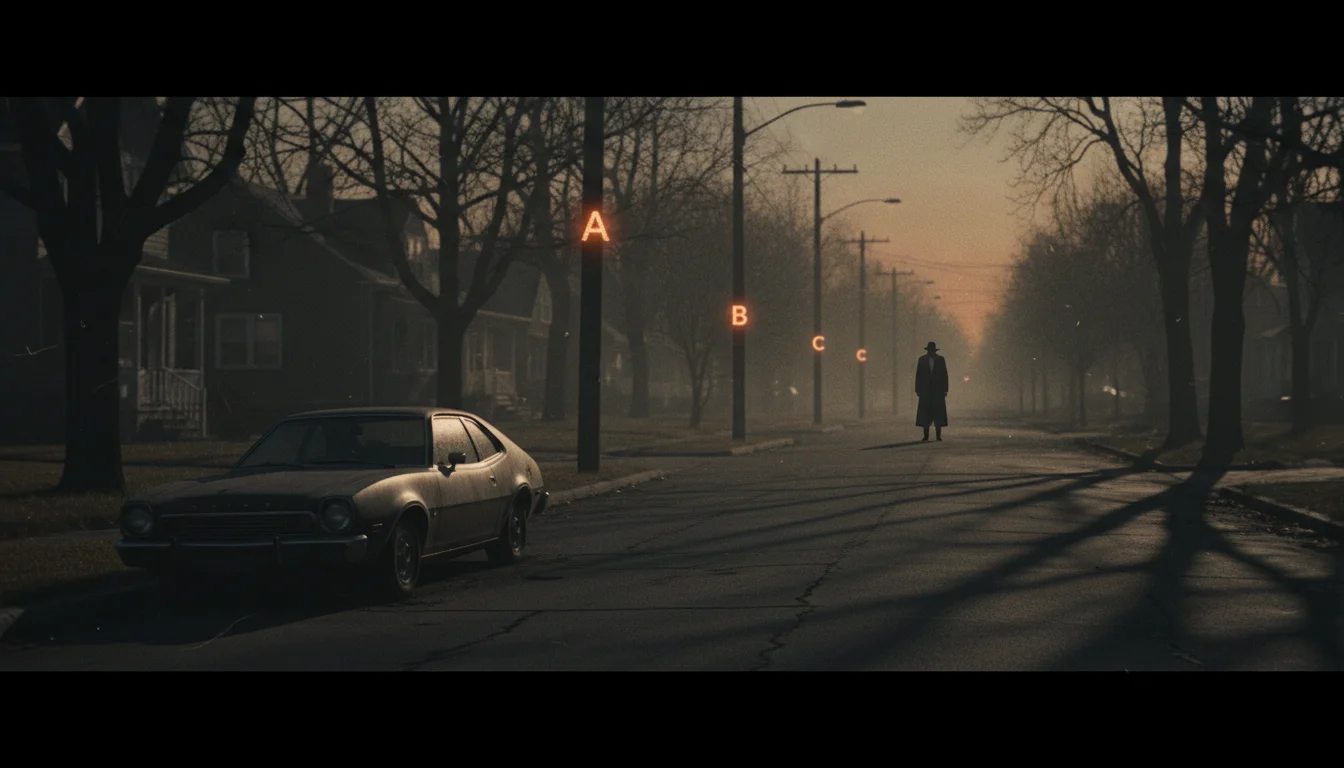
Between 1971 and 1973, someone in upstate New York killed three young girls who shared an eerie characteristic: their first and last names began with the same letter. Each victim was found on a road that matched their initials. The pattern was so precise it seemed like a sick game. Rochester police called it the Double Initial Murders. The press called it the Alphabet Murders.
Fifty-three years later, nobody knows who did it.
Carmen Colon: The First Letter
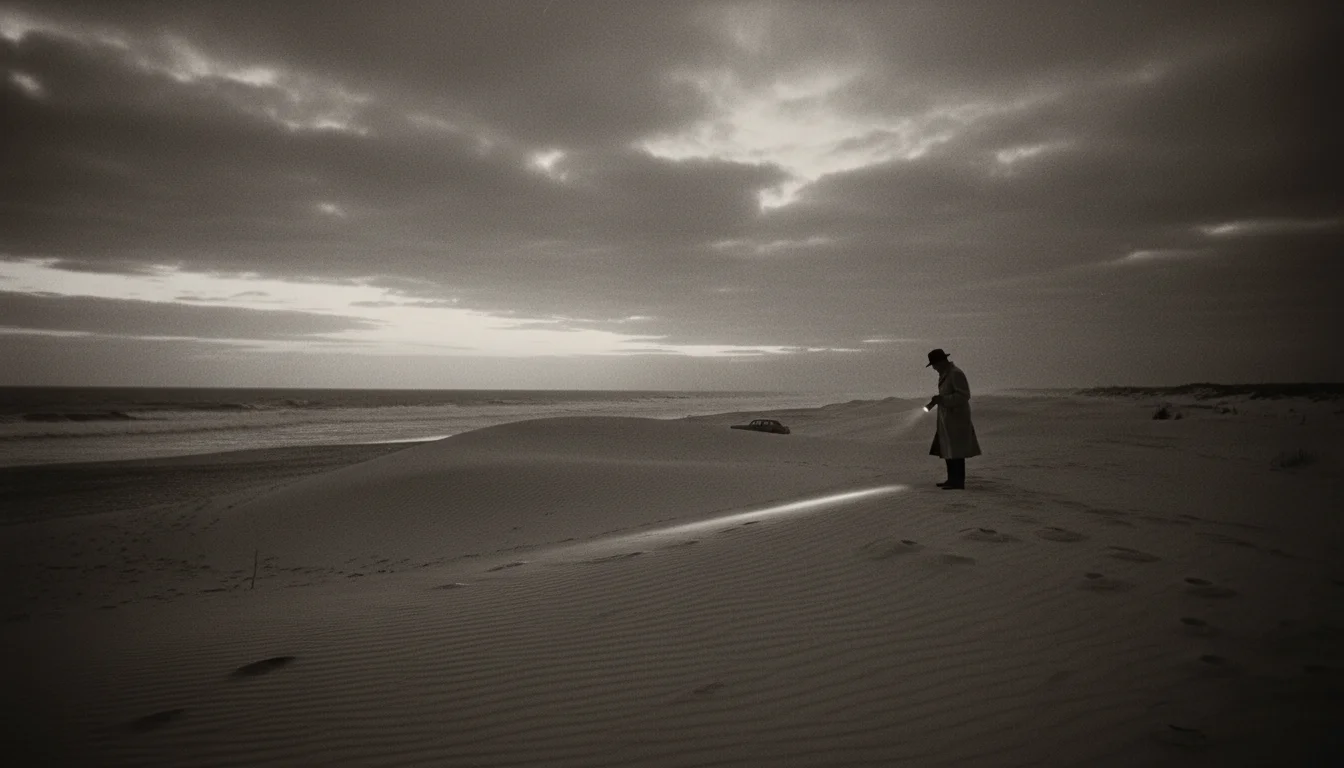
On November 16, 1971, ten-year-old Carmen Colon left her Rochester apartment to walk to an errand for her grandmother. She never made it. Her body was found two days later on a remote embankment beside Interstate 490 in Churchville, New York.
She had been raped and strangled with a ligature. White cat hairs were found on her clothing.
The location was deliberate: Carmen Colon, found in Churchville.
Police initially treated it as a one-off tragedy. Then the pattern emerged.
Wanda Walkowicz: The Second Letter
On April 2, 1973 - seventeen months later - eleven-year-old Wanda Walkowicz vanished while walking home from school in Rochester's northeast side. She was last seen getting into a light-colored car with a man.
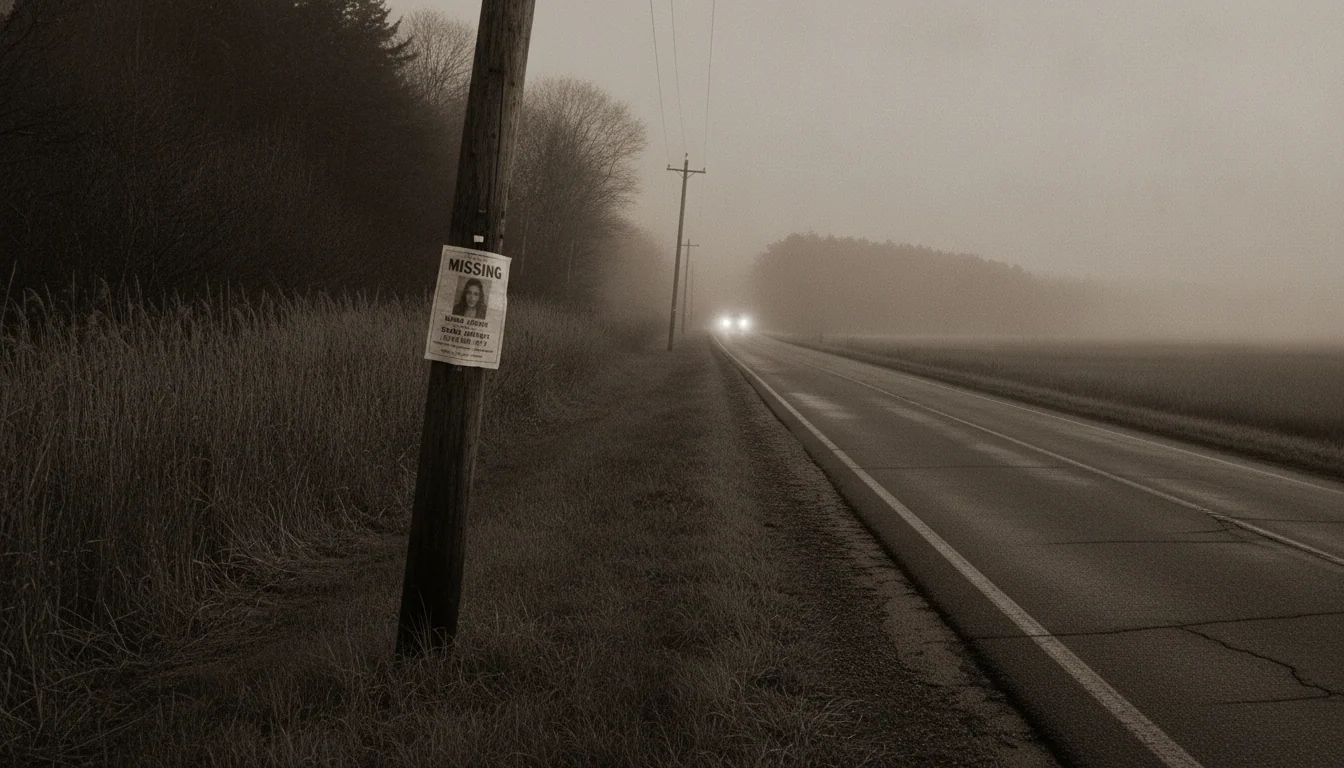
The next day, her body was discovered in a ditch along Route 104 in Webster, New York. She had been raped and strangled, just like Carmen. White cat hairs were found on her clothing, too.
Wanda Walkowicz, found in Webster.
Now it was a pattern. And patterns meant a serial killer.
Michelle Maenza: The Third Letter
On November 26, 1973 - nineteen months after Wanda - ten-year-old Michelle Maenza disappeared while returning home from a shopping trip in Rochester. Witnesses reported seeing her with a man in a beige or tan car.
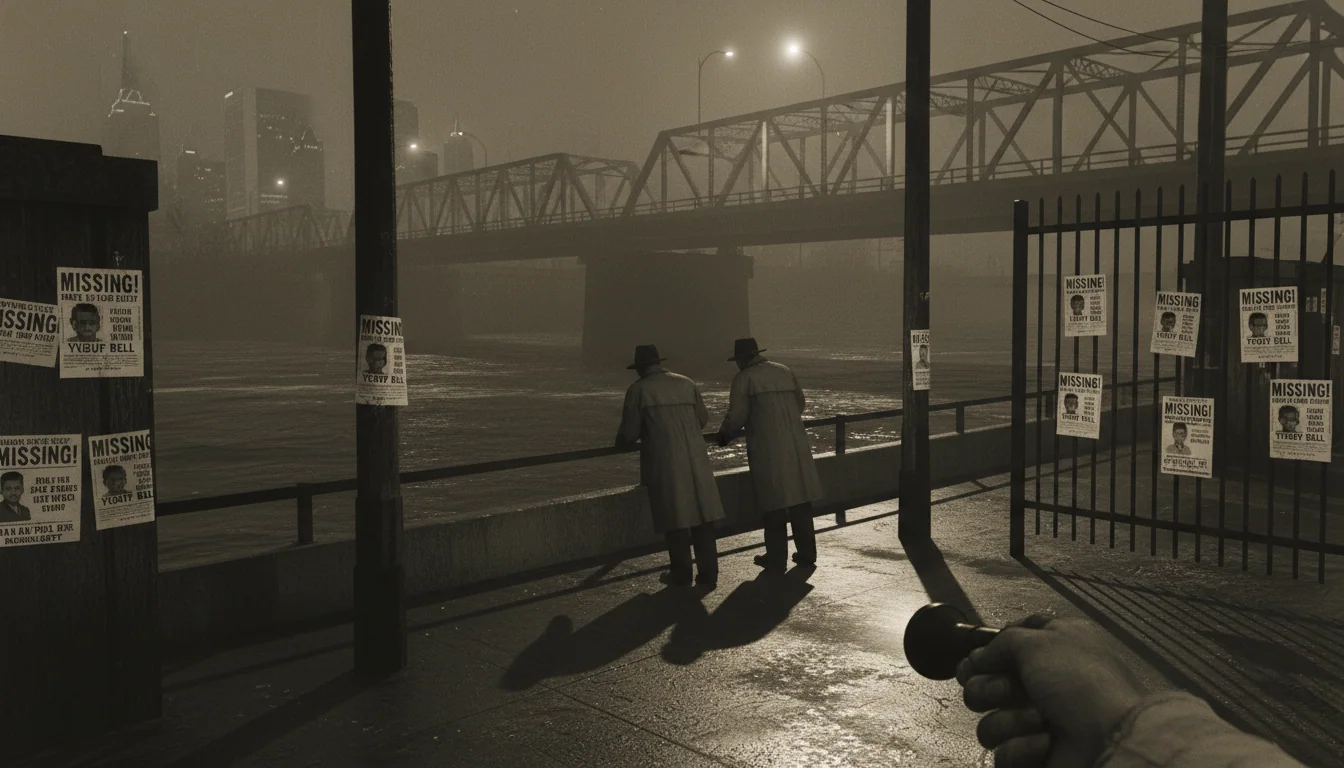
Two days later, her body was found along Route 350 in Macedon, New York. She had been raped, strangled, and dumped just like the others. Again, white cat hairs.
Michelle Maenza, found in Macedon.
Three girls. Three matching initials. Three roads starting with the same letter. Three white cats' worth of evidence.
Then the murders stopped.
The Investigation: 30,000 Leads, Zero Arrests
Rochester police assembled a task force that followed over 30,000 leads. They interviewed thousands of suspects, including:
-
Kenneth Bianchi, one of the notorious "Hillside Stranglers" who lived in Rochester during the murders. He moved to California in 1975, where he and his cousin Angelo Buono killed ten women. Some investigators believed the similarities were too strong to ignore: strangulation, targeting young females, the theatrical staging of bodies. But Bianchi was never charged, and DNA technology at the time couldn't link him definitively.
-
Firefighter suspects: Multiple witnesses reported seeing a firefighter's badge or uniform in connection with one or more abductions. One particularly suspicious firefighter who lived in the area and owned a light-colored car died before he could be fully investigated.
-
Dennis Termini, a Rochester-area resident who became a person of interest after his death in 1988. He had a history of violence and lived near Carmen Colon's neighborhood. Some investigators thought he looked good for the murders. Others weren't convinced.
The white cat hairs? They were analyzed exhaustively but never matched to a specific animal. The ligature? Never found. The vehicle witnesses described? Too generic to narrow down.
The Copycat Theory
Some investigators now believe the murders might not all be connected. The pattern was so widely publicized that a copycat could have struck after the first murder, deliberately mimicking the MO to throw police off or satisfy their own twisted fantasy.
But most detectives who worked the case disagree. The details were too consistent: the age range (10-11 years old), the method (ligature strangulation), the sexual assault, the cat hairs, the rural dump sites, the matching initials. That kind of precision across three murders suggests one person, not three separate killers who all happened to pick victims with double initials.
Why Did It Stop?
Serial killers don't usually just quit. They escalate, get caught, die, or move. So what happened after Michelle?
Theory 1: The killer died. Heart attack, car accident, suicide. It happens. BTK stopped killing for decades because he got married and had kids. Then he started again. But many serial killers just... die.
Theory 2: The killer moved. Maybe he relocated to another state or country. Maybe he's in prison for an unrelated crime. California, with its booming population in the 1970s, became a dumping ground for serial killers. If Bianchi really was the Alphabet Killer, his move to LA would explain everything.
Theory 3: The killer got spooked. The media coverage was massive. The task force was relentless. Maybe he decided it was too risky to continue.
Theory 4: The pattern was broken. If the killer needed victims with matching initials, he might have run out of suitable targets in his hunting ground. Rochester isn't that big.
The Families Never Stopped Searching
Carmen's mother, Guillermina Colon, died in 1991 without ever knowing who killed her daughter. Wanda's parents, Rita and Marvin Walkowicz, spent decades pushing for answers. Michelle's family held onto hope that DNA technology would eventually solve the case.
In 2007, Rochester police reopened the investigation, re-interviewing witnesses and re-examining evidence with modern forensic tools. They extracted DNA profiles from the crime scenes and entered them into national databases.
Nothing matched.
The Mystery Endures
The Alphabet Murders remain one of America's most haunting unsolved cases. The precision of the pattern suggests intelligence and planning. The brutality suggests rage. The abrupt stop suggests either death, incarceration, or relocation.
Somewhere, there might be someone who knows. A confession made on a deathbed. A box of souvenirs found in an attic. A DNA match waiting in a genealogy database.
For now, Carmen Colon, Wanda Walkowicz, and Michelle Maenza rest in their graves, their names forever linked by a killer's twisted alphabet. The pattern of child murders with a deliberate signature appears in other cold cases too: the Oakland County child killer terrorized Michigan in the same era with similar precision, and the servant girl annihilator case from a century earlier shows how difficult pattern killers have always been to identify.
Sources: Rochester Democrat and Chronicle case files, FBI Behavioral Analysis Unit reports, NY State Police archives, "The Alphabet Killer" (documentary), interviews with retired investigators.

Want to Interrogate the Suspects?
Chat with historical figures and uncover the truth behind history's greatest mysteries.
Create your free account →No card required. Some figures and features require a paid plan.
Join the HistorIQly Club
Get smarter about the past.
Weekly stories, deep dives, and exclusive content straight to your inbox.