Belle Gunness: The Black Widow Who Buried Her Suitors in the Hog Lot
Belle Gunness, nicknamed Hell's Belle, lured wealthy suitors to her Indiana farm with promises of marriage and murdered them for their savings. When the farmhouse burned, had the killer escaped?
Read Wikipedia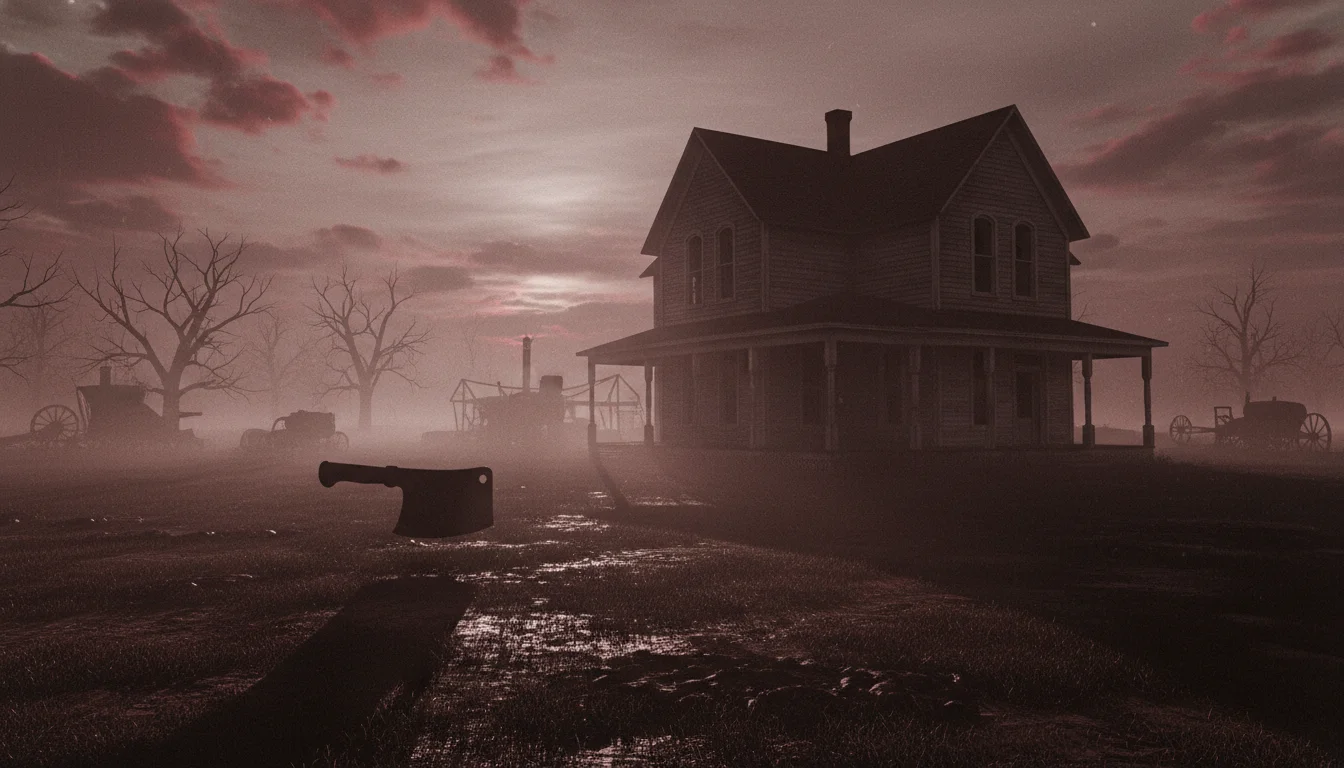
On April 28, 1908, firefighters pulled four bodies from the smoldering ruins of a farmhouse in La Porte, Indiana. Three were children. The fourth was a headless adult woman, presumed to be the farm's owner, Belle Gunness.
But as investigators dug into the charred earth around the property, they uncovered something far more horrifying than the fire itself. Scattered throughout the hog lot, the outhouse pit, and shallow graves across the yard were the dismembered remains of at least eleven people - and possibly many more.
Belle Gunness, the "lonely widow" who had placed personal ads in Midwestern newspapers seeking wealthy suitors, had been running a murder farm for years. And the biggest question investigators faced wasn't how many people she'd killed. It was whether the headless corpse in the ashes was really Belle at all.
The Lonely Hearts Predator
Belle was born Brynhild Paulsdatter Størseth in Norway in 1859. She immigrated to America in 1881, settling in Chicago where she worked as a domestic servant and later at a butcher shop, learning skills with cleavers and saws that would prove grimly useful.
She married Mads Sørensen in 1884. Their candy store burned down. Their house burned down. Both fires brought insurance payouts. Two babies in their care died of "acute colitis" - a common cover for poisoning. Belle collected insurance money on both children.
On July 30, 1900, the exact day both his life insurance policies overlapped, Mads died of what Belle described as a sudden headache treated with "quinine powder." The doctor noted it looked like strychnine poisoning but didn't pursue it. Belle collected $5,000 and moved to Indiana.
She bought a 48-acre pig farm outside La Porte. Eight months after marrying her second husband, Peter Gunness, a cast-iron meat grinder somehow "fell" from a high shelf and crushed his skull. Another $3,000 in insurance money. Another convenient death.
But Belle had discovered something more profitable than insurance fraud.
"Triflers Need Not Apply"
Starting in 1905, Belle placed personal advertisements in Norwegian-language newspapers across the Midwest:
"Personal - comely widow who owns a large farm in one of the finest districts in La Porte County, Indiana, desires to make the acquaintance of gentleman equally well provided, with view of joining fortunes. No triflers need apply."
The men who answered were typically middle-aged bachelors or widowers - lonely farmers and laborers with modest savings and few family connections. Belle corresponded warmly with them for weeks or months, building romantic relationships through letters. Then she invited them to the farm, always requesting they bring cash for a "fresh start" together.
Henry Gurholt of Wisconsin arrived with seed money for the upcoming planting season. He wrote home once to say the farm was lovely, then vanished. His family contacted Belle; she claimed he'd run off with horse traders.
John Moe of Minnesota brought his life savings in cash. He was never seen again.
Ole Budsberg, Andrew Helgelien, Olaf Lindblom - the Norwegian bachelor community across the upper Midwest was filled with men who had left for Indiana to meet a wealthy widow and simply disappeared. Belle kept their trunks. A carpenter who did occasional work at the farm noticed more than a dozen piled in her house.
The Fire and What It Revealed
Ray Lamphere, Belle's hired hand and sometime lover, had grown jealous and unstable. Belle had him arrested for trespassing. She visited her lawyer to update her will, claiming Lamphere had threatened to burn down her house.
Days later, at 4 a.m. on April 28, 1908, the farmhouse was engulfed in flames. Lamphere was immediately suspected.
The bodies of Belle's three children - Myrtle (11), Lucy (9), and Philip (5) - were found in the cellar alongside a headless adult female corpse. The town mourned the tragic widow who had died trying to save her children.
Then Asle Helgelien arrived from South Dakota, looking for his brother Andrew.
Andrew Helgelien had been corresponding with Belle for months. His last letters mentioned he was bringing $2,900 in cash to start their new life together. He'd asked his family to keep the trip secret. Then nothing.
Asle had found Belle's letters while searching Andrew's belongings. Their tone was unmistakable: come to Indiana, bring money, tell no one.
When Asle arrived at the burned farm, he noticed something the investigators had missed - soft, slumped depressions throughout the hog lot. He convinced the sheriff to dig.
The first gunny sack they unearthed contained two hands, two feet, and a head. Asle recognized his brother immediately.
"The Police Stopped Counting"
Over the next two days, investigators excavated the entire property. They found body after body, each butchered the same way - decapitated, arms removed at the shoulders, legs severed at the knees, remains stuffed into burlap sacks and buried in shallow graves.
The hog lot. The outhouse pit. Near the lake. Under the original pigsty. Bodies were everywhere.
After finding eleven distinct victims, the police stopped counting. The total is still unknown - estimates range from 14 confirmed to over 40 possible victims. Belle's pigs had been well-fed for years.
The skulls showed evidence of blunt trauma and deep gashes. Belle, who stood 5'7" and weighed over 200 pounds, had the strength and butchering skills to dismember grown men alone.
The Headless Corpse
But what about Belle herself?
Here's where the mystery deepens. The headless female corpse found in the basement was examined by Dr. Charles Meek, who immediately noticed problems. The body was five inches shorter than Belle and at least fifty pounds lighter. It couldn't be her.
The head was never found.
Ray Lamphere was arrested and convicted of arson. Before his death in prison, he gave two conflicting confessions. In one, he claimed Belle had him set the fire with her children inside, and that she'd escaped. In another, he provided details about an accomplice named Elizabeth Smith and Belle's method of killing visitors.
According to Lamphere, Belle would serve her suitors a drugged dinner, then split their skulls with a meat cleaver while they slept. She would butcher them in the basement, scatter quickite over the remains, and bury them in the hog lot. Any leftover flesh went to the pigs.
And the headless corpse? Lamphere claimed Belle had murdered another woman - a "substitute" - and planted the body to fake her own death. With Asle Helgelien closing in and the crimes about to be exposed, Belle torched everything and vanished.
Did She Escape?
In the decades following the fire, Belle Gunness sightings were reported across America. Los Angeles. California. New York. She was allegedly spotted at the 1933 Chicago World's Fair.
In 1931, a woman named Esther Carlson was arrested in Los Angeles for poisoning an elderly man for his money. Some investigators noted her striking resemblance to Belle Gunness and similar methodology. Carlson died awaiting trial before any identification could be confirmed.
In 2008, forensic anthropologists attempted DNA testing on the headless corpse to compare it against samples from letters Belle had licked and sealed. The hundred-year-old samples were too degraded to provide conclusive results.
The La Porte County Historical Society still preserves artifacts from the case - including the skulls of Belle's victims. The farm itself became a macabre tourist attraction after the murders were discovered, with concession stands selling souvenirs while visitors gawked at the mass graves.
The Killer Who Got Away
Belle Gunness - known to later crime historians as Hell's Belle - remains one of America's most prolific and disturbing serial killers. She exploited the loneliness of immigrant bachelor communities, the inefficiency of early 20th-century law enforcement, and the vulnerability of men who traveled far from home seeking love.
Her method was coldly efficient: charm them through letters, invite them to an isolated farm, drug their food, murder them in their sleep, butcher the evidence, feed the remains to pigs. She refined this process over years, growing wealthy from her victims' life savings.
And she may have gotten away with it entirely.
The headless corpse in the ashes was too short, too thin, and missing the one feature that could have confirmed identity. Ray Lamphere died insisting Belle escaped. Sightings continued for decades.
Whether Belle Gunness burned in that farmhouse or vanished into America with a fortune in stolen money, we may never know. Her head was never found. Her victims' total is still uncertain. And somewhere in the farmland of Indiana, there may still be bodies waiting to be discovered.
The "comely widow" who promised love and delivered death took her secrets with her - either to the grave, or to whatever new life she built on the foundation of murdered men's fortunes.
For other unsolved cases of women and violence in American history, see our coverage of Lizzie Borden's axe murders and the Wanda Beach Murders.

Want to Interrogate the Suspects?
Chat with historical figures and uncover the truth behind history's greatest mysteries.
Create your free account →No card required. Some figures and features require a paid plan.
Join the HistorIQly Club
Get smarter about the past.
Weekly stories, deep dives, and exclusive content straight to your inbox.