The Disappearance of Lauren Spierer: Indiana's Fifteen-Year Open Case
Lauren Spierer's disappearance from Bloomington, Indiana on June 3, 2011 remains unsolved. No body found, no charges filed - fifteen years of open questions.
Read Wikipedia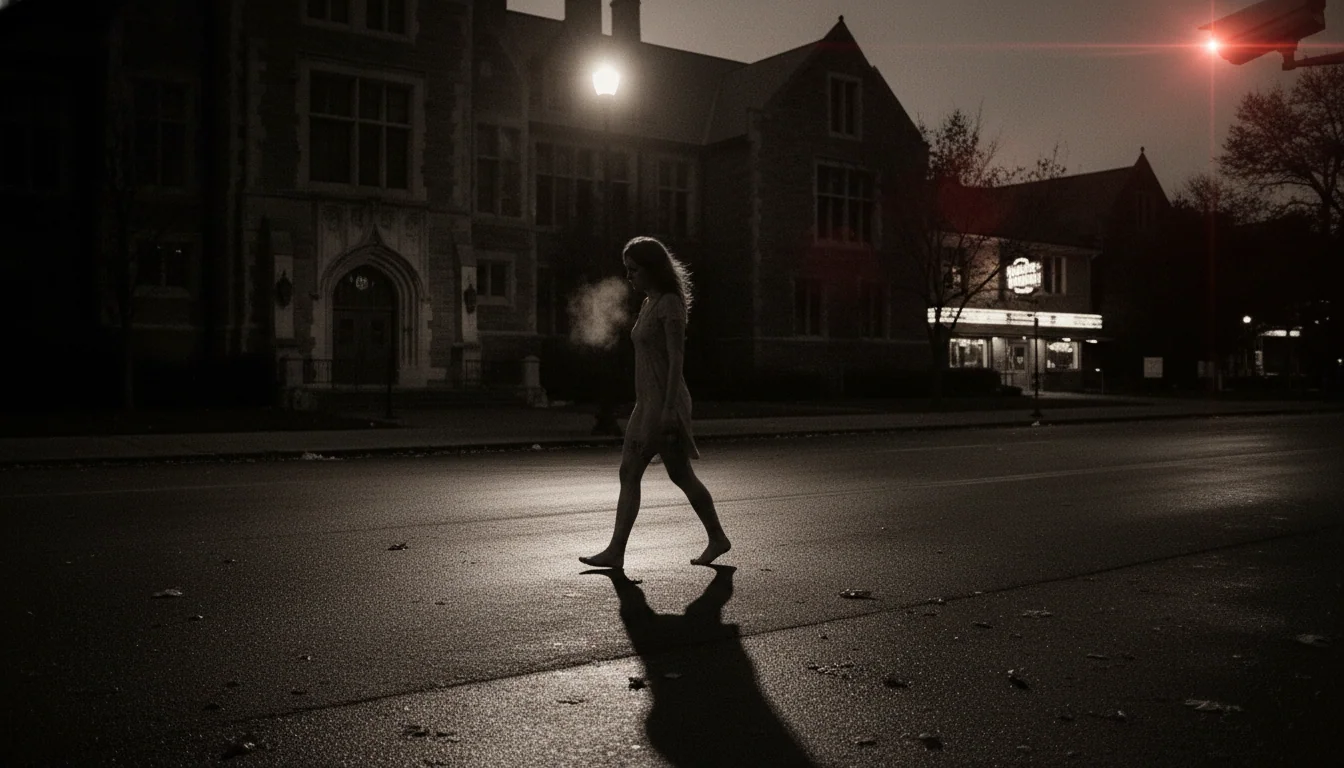
In the early hours of June 3, 2011, a young woman walked alone down a street in Bloomington, Indiana, and vanished. Lauren Spierer was 20 years old, a sophomore at Indiana University studying fashion merchandising, and 4 feet 11 inches tall. She was barefoot. She had lost her phone and her shoes during the night. The last surveillance camera to capture her recorded her image at approximately 4:30 AM, near the apartment complex where she had just spent time with friends.
She was never seen again.
Fifteen years later, no charges have been filed, no body has been found, and no official explanation for what happened to Lauren Spierer has ever been given. What the investigation did produce was a detailed timeline of her final hours, a cluster of people who refused to cooperate with police, and a state law bearing her name.
The night of June 2-3, 2011
Lauren's evening began as a normal night out in a college town. Bloomington's downtown entertainment district sits within easy walking distance of the Indiana University campus, and on a Thursday night the bars along Kirkwood Avenue fill with students. Lauren was with friends and moved between several venues over the course of the night.
At some point during the evening she lost her shoes, most likely at a bar or in an apartment. Her iPhone also went missing. She borrowed a friend's phone to call her boyfriend, Jesse Wolff, who lived in the same apartment complex and urged her to come home. She did not.
Surveillance footage places her at multiple locations as the night progressed. At 2:34 AM, cameras recorded her at a bar with Corey Rossman, a friend whose nearby apartment she would later visit. Over the next two hours, additional footage showed her moving through the neighborhood. The final image, the last confirmed sighting of Lauren Spierer, came from a camera near the Smallwood Place apartment complex at approximately 4:30 AM. After that, she was gone.
Who was with her
The investigation centered on several individuals who were with Lauren during her final hours. Corey Rossman was at his apartment when she visited in the early morning. Rossman was taken to a hospital that same night for reasons his family described as unrelated to Lauren's disappearance. Jay Rosenbaum, another acquaintance, had also been with her during the evening.
Several individuals linked to Lauren's final hours declined to be interviewed by police, invoking their Fifth Amendment right against self-incrimination. This was not, legally speaking, evidence of guilt. It was, practically speaking, a wall. In a case that produced no physical evidence, no body, and no witnesses willing to describe what happened after 4:30 AM, the refusal of multiple people to speak made an already difficult investigation nearly impossible.
Police executed search warrants, examined electronics, and conducted interviews. The FBI assisted. Lauren's parents hired private investigators. None of it produced a public lead that moved the investigation toward charges.
The search
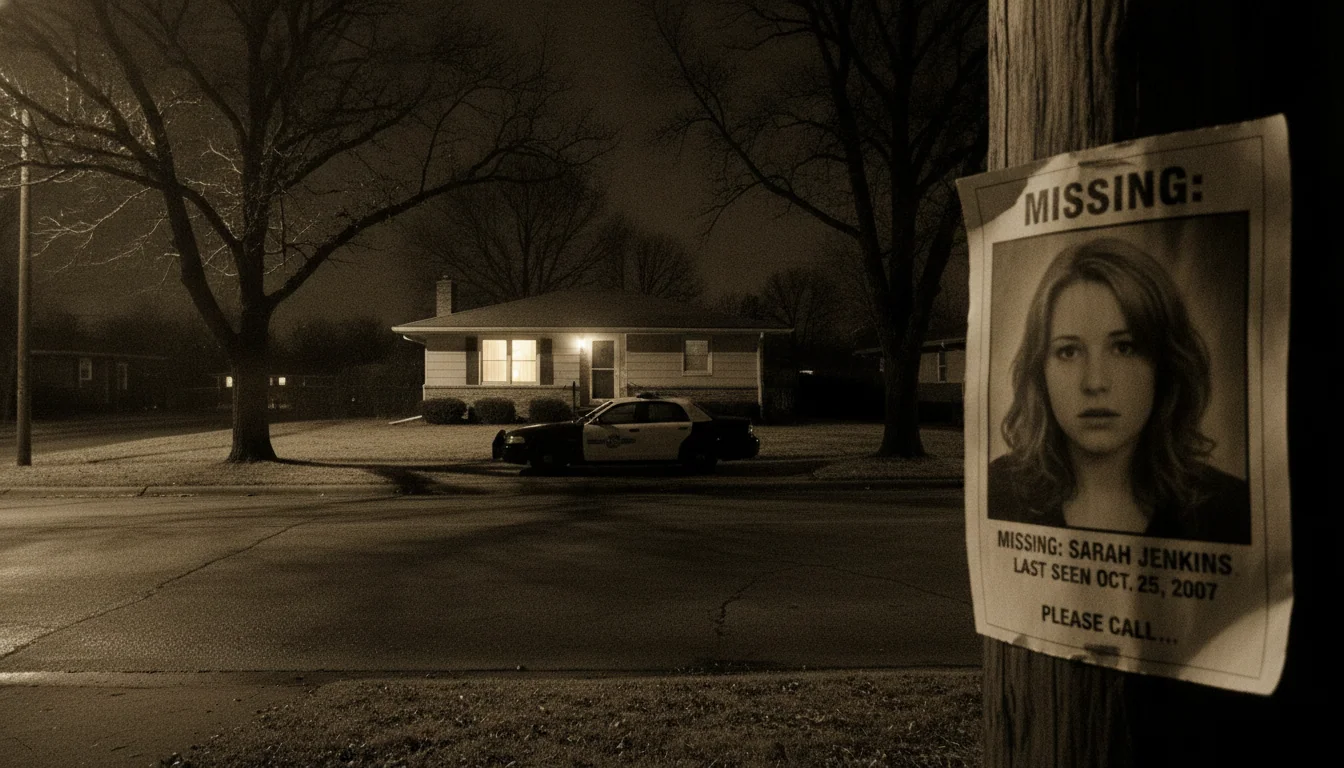
The scale of the community response was immediate and sustained. Hundreds of volunteers searched parks, fields, creeks, and wooded areas around Bloomington in the days following her disappearance. The Indiana University campus mobilized. Posters of Lauren's face went up on every surface in the city.
For weeks, and then months, search teams combed the landscape. The Monroe County Reservoir was investigated. Drainage systems were examined. The searches turned up nothing.
Lauren had been small, 95 pounds, and had been drinking heavily in the hours before she vanished. In a case where no crime scene has ever been located, investigators have never been able to say publicly whether her death, if she died that night, occurred where she was last seen or somewhere she was transported to afterward.
Civil proceedings and media pressure
When the criminal investigation stalled, the Spierer family pursued civil litigation. Civil lawsuits against individuals connected to Lauren's final night were filed, with lower evidentiary standards than a criminal prosecution. The litigation produced depositions and document exchanges that added detail to the public record, but did not produce admissions that translated into criminal accountability. The civil process confirmed what investigators already believed: multiple people had information about what happened, and none were compelled to share it in a forum that could result in criminal penalties.
The case attracted sustained national media attention, particularly in true-crime-oriented journalism and podcasts, in a period when the genre expanded rapidly. Each new wave of coverage surfaced former Bloomington residents with memories of the night, online communities that analyzed surveillance footage frame by frame, and renewed public pressure on the Bloomington Police Department to provide answers. The pressure did not produce a breakthrough.
Lauren's Law
From the collapse of the investigation came legislation. Indiana's "Lauren's Law," signed into law in 2013, requires law enforcement to begin an investigation immediately when a person is reported missing and may be in danger, without any mandatory waiting period. Before the law, departments operated under informal guidelines that sometimes delayed searches for adults. The Spierers advocated for the bill as one of the few things they could do with the grief of an open case.
The law has since been cited in other Indiana missing persons cases as a framework for faster initial response. Whether it would have changed Lauren's outcome is impossible to say. What is certain is that by the time police were called on the morning of June 3, 2011, Lauren had already been missing for hours.
Why the case stayed cold
Cold cases are often explained by bad luck, a single missed clue, or the passage of time eroding evidence. The Spierer case has an additional quality that sets it apart: the presence of living people who were near Lauren in her final hours and who chose silence.
That silence has never been legally punishable. The Fifth Amendment guarantees the right not to testify, and criminal defense attorneys routinely advise clients not to speak with police. In a case with no physical evidence pointing to any individual, prosecutors had no path to trial.
The technological record told part of the story. Surveillance cameras had become common enough in Bloomington's entertainment district by 2011 to document Lauren's movements in unusual detail for a missing persons case. Investigators had more visual data than they might have had a decade earlier. The same smartphones that made tracking easier also allowed lawyers to advise clients by text within hours of Lauren's disappearance.
By the time investigators understood what had happened to Lauren's shoes, her phone, and her final hours, the people who might have explained those things had stopped talking.
Fifteen years
Lauren Spierer's parents, Robert and Charlene, have continued to speak publicly about the case throughout the years since 2011. They have attended vigils, advocated for missing persons legislation, and kept Lauren's name in front of journalists and the public. In a case that has produced no closure, attention is the only currency available.
The fifteen-year anniversary falls in June 2026. No new developments have been publicly announced. The people of interest who were identified in 2011 have continued their lives. Bloomington has graduated thousands more students. The surveillance cameras that recorded Lauren's last known image have long been replaced.
What remains is the footage itself, preserved in evidence. A young woman, barefoot, walking. The shape of her against the dark street. The timestamp. And then nothing.
Investigators have never publicly named a suspect. They have never officially closed the case. Lauren Spierer's file sits open in the Bloomington Police Department, the same place it has been since the morning of June 3, 2011, when a college student failed to come home and the search that has never ended began. Cases with similar patterns of witnesses who chose silence include the disappearance of Asha Degree and Brian Shaffer's vanishing, where someone living almost certainly knows the answer.
Quick Answers
Common questions about this topic
What happened to Lauren Spierer?
Lauren Spierer, a 20-year-old Indiana University student, disappeared in the early morning hours of June 3, 2011, after a night of bar-hopping in Bloomington, Indiana. She was last captured on surveillance video around 4:30 AM near an apartment complex. She has never been found, and the case remains unsolved.
Were any suspects identified in the Lauren Spierer case?
Police identified several persons of interest, including friends and acquaintances who were with Lauren during her final hours. Multiple individuals invoked their Fifth Amendment rights and refused to cooperate with investigators. No charges have ever been filed in connection with her disappearance.
What is Lauren's Law?
Lauren's Law is Indiana legislation, signed in 2013, that requires law enforcement to immediately begin searching for a missing person who may be in danger, eliminating any mandatory waiting period before an investigation can start. It was named in honor of Lauren Spierer.
Is there any surveillance footage of Lauren Spierer?
Yes. Surveillance cameras captured Lauren at various points throughout her final night, including footage from a bar and from an apartment building. The last known image of her was from a camera near the apartment of a friend she had visited. She was not seen again after approximately 4:30 AM on June 3, 2011.

Want to Interrogate the Suspects?
Chat with historical figures and uncover the truth behind history's greatest mysteries.
Create your free account →No card required. Some figures and features require a paid plan.
Join the HistorIQly Club
Get smarter about the past.
Weekly stories, deep dives, and exclusive content straight to your inbox.