The Disappearance of Jonelle Matthews
Jonelle Matthews vanished after a Christmas concert in Greeley, Colorado in 1984. Her remains surfaced in 2019, and a suspect was finally convicted in 2022.
Read Wikipedia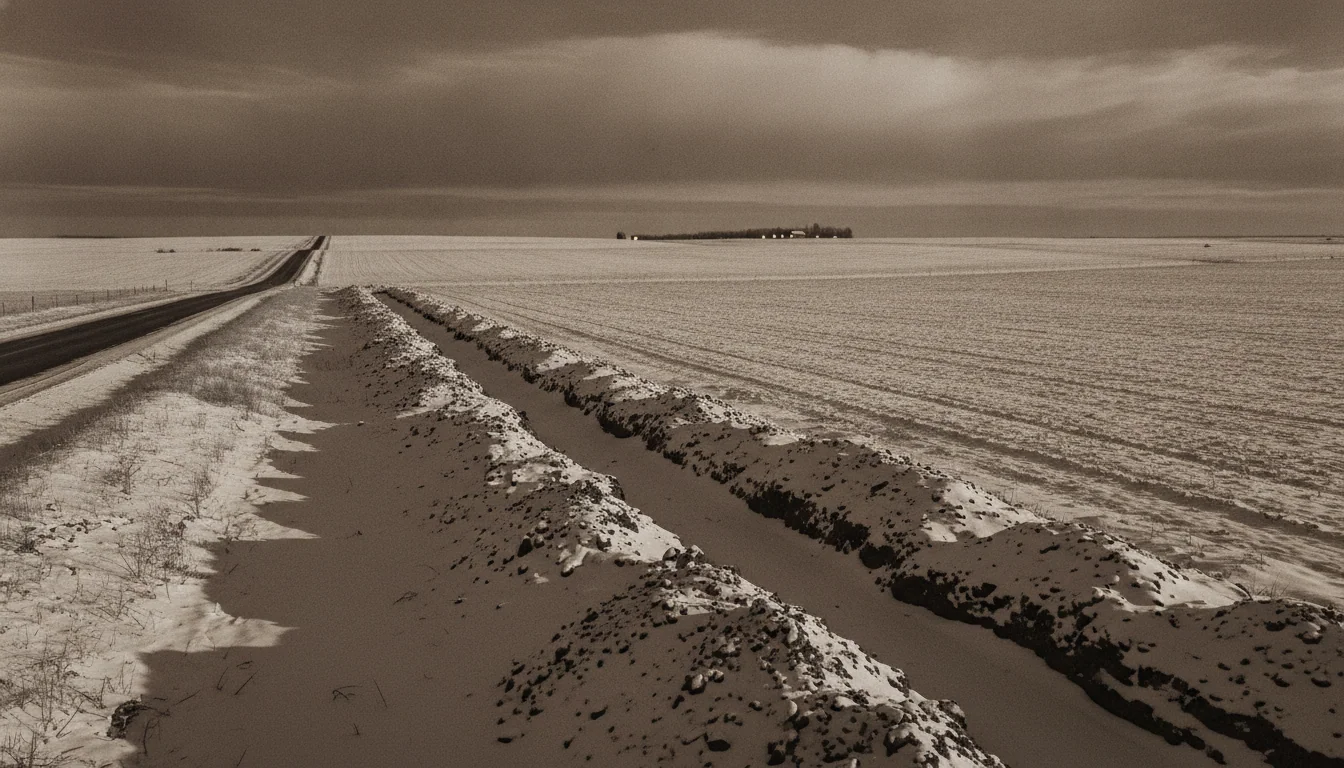
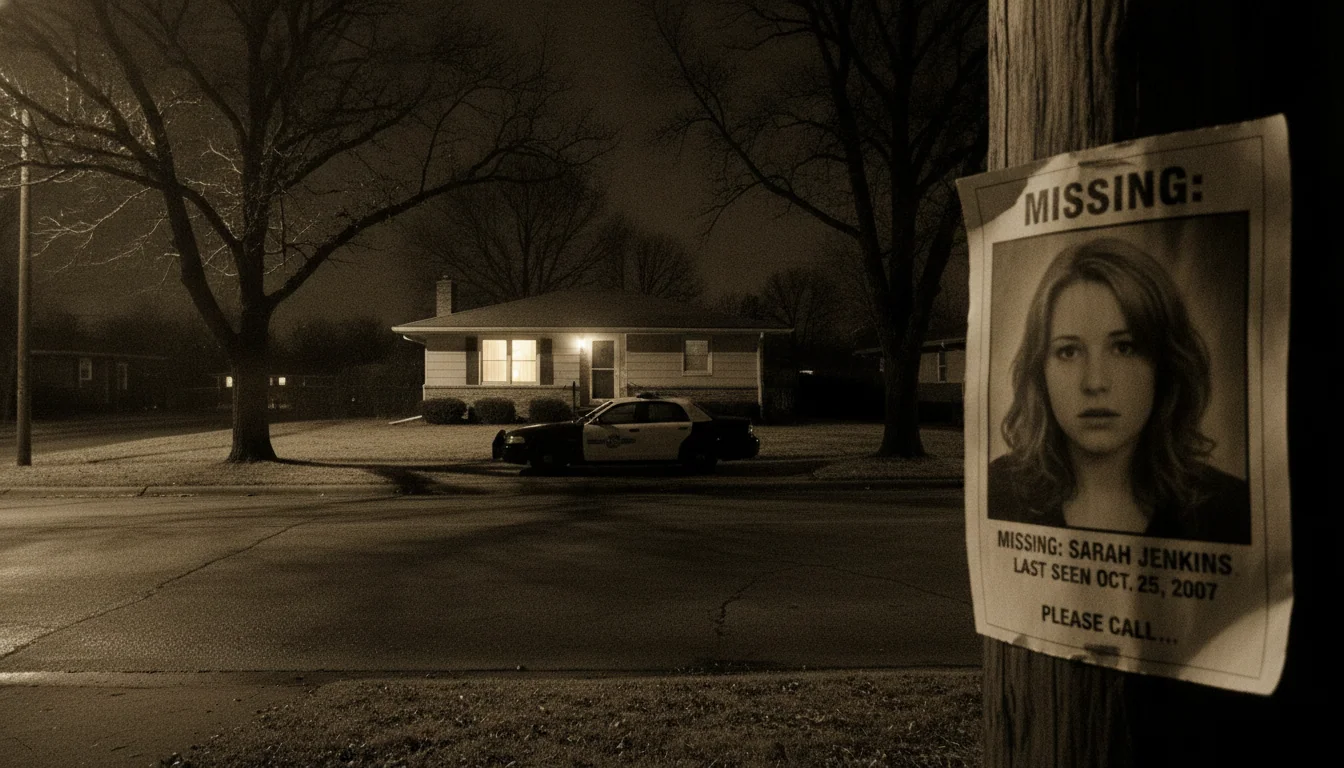
Greeley, Colorado sits on the high plains northeast of Denver, a farming town where winter comes early and stays. On a cold Thursday night in December 1984, a twelve-year-old girl sang in her middle school choir's Christmas concert, got a ride home from a family friend, and walked into her own house for what turned out to be the last time anyone can account for her.
Jonelle Matthews would not be found for almost thirty-five years. When she finally was, the discovery reopened a case that Greeley had never really let go of, and it led, after two trials, to one of the longest-delayed convictions in Colorado history.
The night of the concert
On December 20, 1984, Jonelle performed with the Franklin Middle School choir at a downtown Greeley bank branch that had opened its lobby for a holiday concert. Afterward, a neighbor, Russ Ross, drove her home along with his own daughter, dropping Jonelle off at her house on 47th Avenue Court a little after 8:00 p.m. Her parents were out of town that evening, so Jonelle's older sister was watching the house.
Sometime around 8:30 p.m., Jonelle answered the phone. Whatever was said, it was the last confirmed contact anyone had with her. When her father returned home around 9:30 p.m., the garage door was open and Jonelle's shoes were sitting near a space heater inside, as if she had stepped out for only a moment. She was gone. There was no sign of a struggle, no evidence she had run away, and no witness who saw her leave.
Greeley police searched the neighborhood that night and expanded the search in the days that followed, but they found nothing: no clothing, no physical evidence, no credible sighting that held up. Jonelle Matthews simply disappeared from a quiet residential street on a night her family was scattered between errands and an empty house.
Decades without answers
The Matthews case became one of the earliest examples of the "milk carton kid" phenomenon, when missing children's photos began appearing on dairy packaging across the country in the mid-1980s. Jonelle's picture went out to households nationwide, generating tips for years that led nowhere. Investigators chased leads involving truckers, transient laborers, and a handful of local men with troubling histories, but nothing ever produced an arrest.
Greeley police periodically revisited the file, most notably around the thirtieth anniversary of her disappearance, retesting evidence with technology that had not existed in 1984. Even so, the case stayed open and unsolved for more than three decades, one of the defining unresolved crimes in northern Colorado's history. Jonelle's parents stayed in the area, gave interviews when reporters asked, and kept hoping for a break that did not come.
A pipeline crew finds an answer
The break came from the ground itself. On July 23, 2019, a construction crew laying a natural gas pipeline in a field along a county road roughly fifteen miles from the Matthews home unearthed human remains. Weld County authorities recovered the bones and sent samples for DNA testing. Within days, the coroner's office confirmed what Greeley had wondered about for nearly thirty-five years: the remains belonged to Jonelle Matthews. The cause of death was determined to be a gunshot wound to the head.
The discovery did not immediately name a killer, but it gave investigators a location, a cause of death, and new energy. Detectives revisited the original case file and the list of people who had drawn suspicion over the years. One name kept surfacing: Steve Pankey.
The suspect
Steven Pankey had lived in the Greeley area in the 1980s and had several loose connections to the case that investigators found hard to ignore. He claimed his estranged father-in-law, who worked as a gravedigger, made a strange comment about a body needing burial just days after Jonelle vanished. He had also clashed years earlier with Russ Ross, the man who had driven Jonelle home the night she disappeared. By his own account, Pankey had also been removed from a position as a youth pastor at a church the Matthews family later attended, following allegations he said were never substantiated.
None of that amounted to evidence on its own, and for years Pankey was more of a curiosity than a formal suspect. He had left Colorado for Idaho in the late 1980s, where he built a public profile as a perennial political candidate, running for Idaho governor on a third-party ticket and later in a Republican primary. He gave interviews over the years in which he discussed the Matthews case with an eagerness that struck some investigators as unusual for someone with no official connection to it.
After Jonelle's remains were identified in 2019, Greeley police named Pankey a person of interest and searched his Idaho home that September. He denied any involvement and said he had cooperated voluntarily. More than a year later, in October 2020, a grand jury indicted him on charges of first-degree murder and kidnapping.
Two trials
The case took another two years to reach a jury. Pankey's first trial opened in October 2021 and ran into early November. It ended in a partial mistrial: jurors convicted him on a misdemeanor count of making a false report to authorities but deadlocked on the far more serious kidnapping and murder charges, unable to reach a unanimous verdict.
Prosecutors retried the case a year later. In October 2022, a Weld County jury reached a different result. Pankey was found guilty of felony murder and second-degree kidnapping with a deadly weapon, though the jury acquitted him of first-degree murder specifically. Under the sentencing law that applied at the time of Jonelle's death in 1984, the judge sentenced Pankey to life in prison with the possibility of parole after 20 years, putting his earliest possible release in his early nineties.
In the courtroom, Jonelle's parents addressed Pankey directly. Her sister told the court that the verdict marked "the end of our earthly justice for Jonelle." Pankey maintained his innocence after sentencing, and his defense team indicated they intended to explore an appeal, including challenges to where the trial was held and how certain evidence was admitted. No ruling overturning the conviction has been confirmed as of this writing, and Pankey remains incarcerated in Colorado.
What the case still leaves open
The conviction answered the two questions that mattered most for thirty-five years: what happened to Jonelle Matthews, and who was responsible. It did not answer everything. The exact circumstances of the abduction, how Jonelle was taken from a house with no sign of a struggle within an hour of being dropped off, were never fully reconstructed at trial. Investigators built a case on circumstantial connections and forensic work rather than an eyewitness account or a confession, and the first jury's inability to agree on the same evidence is a reminder of how thin that case looked to some of the people who heard it in full.
For Jonelle's family, the pipeline discovery in 2019 closed one kind of uncertainty and opened another. They had spent thirty-five years not knowing where their daughter was. They spent the following years learning, in granular and public detail, exactly how she died. Both are their own forms of grief, and neither fully answers why a twelve-year-old girl walking into her own garage on a December night never made it inside.
Other cases from the same era of missing-children awareness followed very different paths. The murder of Amber Hagerman led directly to the creation of the AMBER Alert system, while the disappearance of Asha Degree remains unsolved to this day, with no remains ever found and no suspect ever charged.
Quick Answers
Common questions about this topic
When did Jonelle Matthews disappear?
Jonelle Matthews disappeared on the night of December 20, 1984, from her family's home in Greeley, Colorado, shortly after being dropped off following a Christmas choir concert. She was 12 years old.
When were Jonelle Matthews' remains found?
Construction workers laying a pipeline discovered human remains in a field southeast of Greeley in late July 2019. DNA testing confirmed they belonged to Jonelle, nearly 35 years after she went missing. The coroner determined she had been killed by a gunshot wound to the head.
Who was convicted of killing Jonelle Matthews?
Steven Pankey, a former insurance agent and one-time Idaho gubernatorial candidate who had been named a person of interest in 2019, was tried twice. A first trial in late 2021 ended in a mistrial after jurors deadlocked on the major charges. A Weld County jury convicted him in October 2022 of felony murder and second-degree kidnapping, and he was sentenced to 20 years to life in prison.
Is Steve Pankey still in prison?
As of this writing, Pankey is serving his sentence at a Colorado correctional facility and maintains his innocence. His attorneys have signaled interest in appealing the conviction, though no appellate ruling overturning the verdict has been confirmed.

Want to Interrogate the Suspects?
Chat with historical figures and uncover the truth behind history's greatest mysteries.
Create your free account →No card required. Some figures and features require a paid plan.
Join the HistorIQly Club
Get smarter about the past.
Weekly stories, deep dives, and exclusive content straight to your inbox.