The Lizzie Borden Axe Murders: Did She Really Do It?
The Lizzie Borden axe murders of 1892 shocked Fall River, Massachusetts. A wealthy couple hacked to death, their daughter tried and acquitted - but who really did it?
"Lizzie Borden took an axe, and gave her mother forty whacks. When she saw what she had done, she gave her father forty-one."
That macabre children's rhyme has echoed through American culture for over a century, but it gets the facts wrong. Abby Borden wasn't Lizzie's mother - she was her stepmother. And the "forty whacks" were actually nineteen blows to Abby's head, while Andrew received eleven. But one thing the rhyme gets right: this case has never been solved.
A House of Simmering Tensions
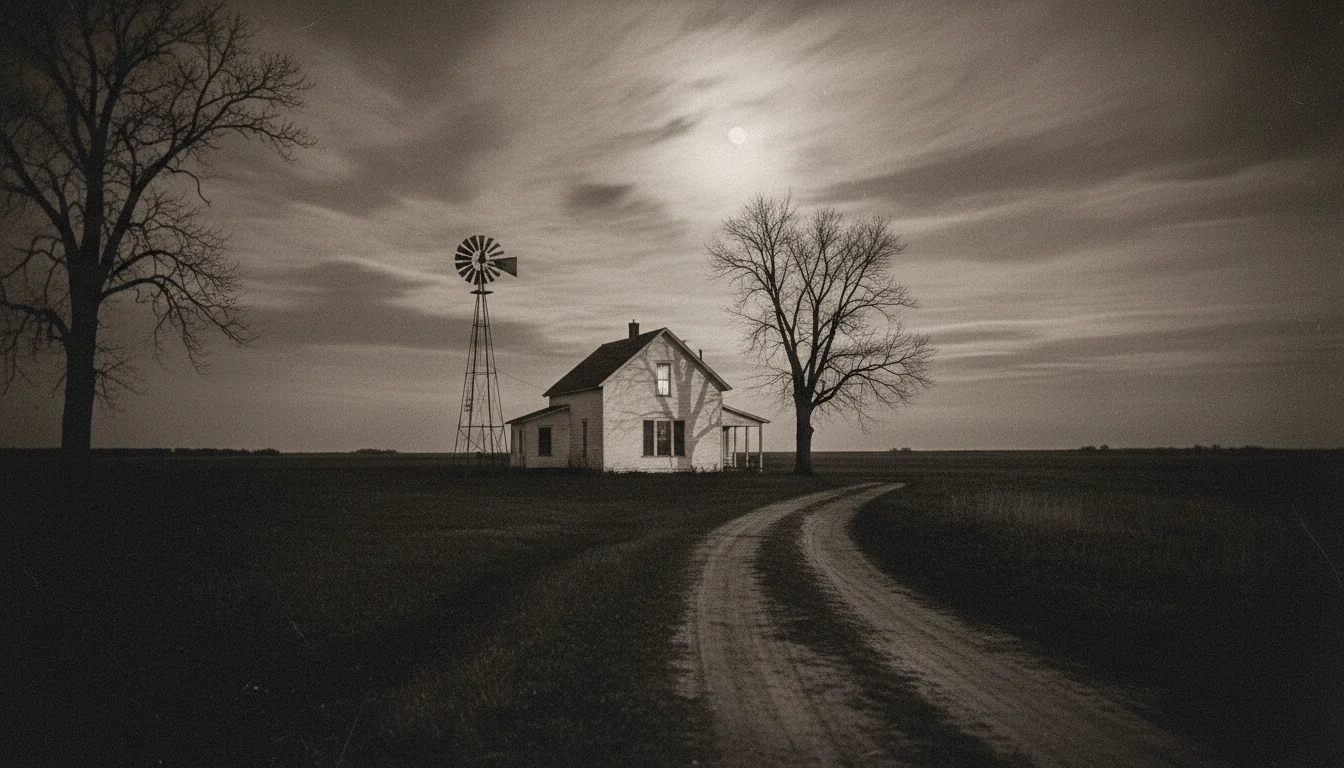
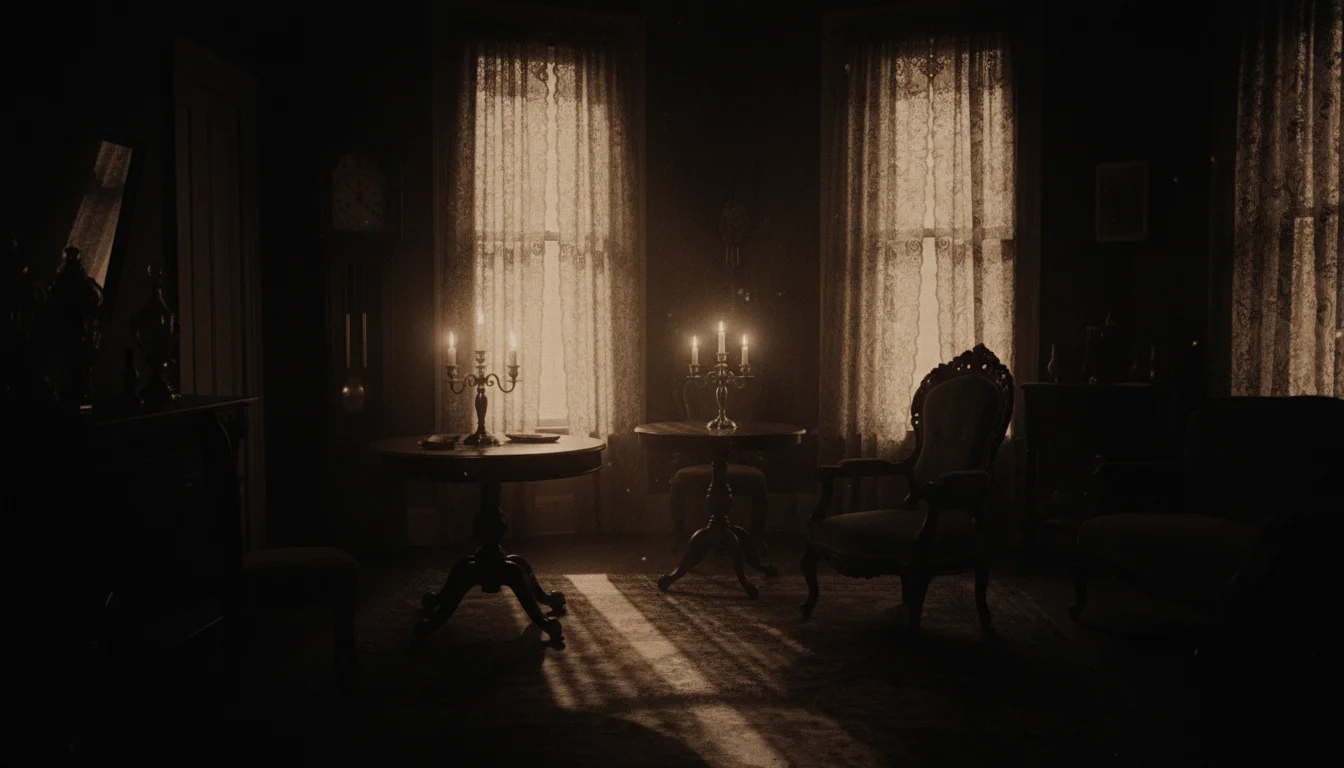
Fall River, Massachusetts, August 1892. The Borden residence at 92 Second Street was a respectable but modest house, despite Andrew Borden's considerable wealth - estimated at $300,000, roughly $10 million today. Andrew was notoriously frugal; the house still lacked indoor plumbing, unusual for a wealthy family of that era.
Inside lived a family suffocating under unspoken resentments. Andrew, 70, had remarried three years after his first wife's death. His daughters Emma, 41, and Lizzie, 32, had never warmed to their stepmother Abby. Lizzie refused to call her "mother," addressing her coldly as "Mrs. Borden."
The tension had escalated in recent months. Andrew had given property to Abby's relatives, prompting his daughters to demand compensation. A bitter argument in July sent both sisters fleeing to relatives. They returned just a week before the murders - Lizzie so reluctantly that she stayed at a local rooming house for four days before coming home.
Even stranger: the entire household had been violently ill in the days before August 4th. Abby feared they were being poisoned.
The Morning of August 4th
August 4th, 1892, was oppressively hot. John Morse, the sisters' uncle, had arrived the night before to discuss business matters with Andrew. After breakfast, Morse left to run errands while Andrew departed for his morning walk downtown.
Sometime between 9:00 and 10:30 AM, Abby Borden went upstairs to make the bed in the guest room. She never came back down.
Her killer struck her first on the side of the head, causing her to turn and fall face-down. Then came eighteen more blows to the back of her skull. She lay there, hidden from view, while life in the house continued below.
Andrew returned around 10:30 AM. The front door was stuck, and when the maid Bridget Sullivan finally opened it, she later testified hearing Lizzie laughing from somewhere upstairs - curious, since Abby's mutilated body lay in plain view of anyone on the second floor.
Lizzie claimed her stepmother had left to visit a sick friend. Andrew lay down on the sitting room sofa for a nap.
At approximately 11:00 AM, someone took a hatchet to his face while he slept. Ten or eleven blows. His eye was split cleanly in two.
"Maggie, Come Quick!"
Just before 11:10 AM, Bridget Sullivan heard Lizzie calling from downstairs: "Maggie, come quick! Father's dead. Somebody came in and killed him."
The police response was chaotic. Lizzie's answers shifted constantly. First she heard a groan before entering; two hours later, she'd heard nothing. She mentioned Abby's note about the sick friend - no such note was ever found. When neighbors asked where Abby might be, Lizzie suggested someone check upstairs. Two women climbed the stairs and discovered Abby's body, cold and stiff, dead for nearly two hours.
Officers noted Lizzie's strange demeanor - too calm, too poised for a woman who had just discovered both parents butchered. Yet nobody thought to check her for bloodstains. Her room received only a cursory search because "she wasn't feeling well."
In the basement, police found two hatchets, two axes, and a hatchet-head with a freshly broken handle, covered in what appeared to be deliberately applied dust and ash.
The Trial That Captivated America
Lizzie Borden was arrested on August 11th. Her trial the following June became a media sensation - the O.J. Simpson case of its era. Newspapers nationwide devoted columns to every detail: the gruesome autopsy photos, the conflicting testimonies, the question of how a respectable Sunday school teacher could commit such savagery.
The prosecution's case was largely circumstantial. Lizzie had been home during both murders. She had motive - the inheritance and festering resentment toward her stepmother. She'd been caught burning a dress days later, claiming it was stained with paint.
But the defense had powerful weapons. There was no murder weapon definitively linked to the crime. No blood was found on Lizzie's clothing. And Victorian society simply couldn't fathom that a well-bred Christian woman could commit such violence.
The jury deliberated for ninety minutes before returning a verdict: not guilty.
A Life in Limbo
Acquittal didn't mean exoneration in the court of public opinion. Fall River society shunned Lizzie completely. She and Emma used their inheritance to buy a grand house in the fashionable part of town, which Lizzie cheekily named "Maplecroft."
She lived there for 34 years, isolated and infamous. The sisters eventually had a falling out - Emma moved away in 1905 and they never spoke again. When Lizzie died of pneumonia in 1927 at age 66, Emma died just nine days later.
No one else was ever charged with the Borden murders.
Theories and Speculation
Over 130 years of amateur sleuthing has produced countless theories:
Lizzie did it - The most popular theory. She had motive, opportunity, and her behavior was suspicious throughout. Some speculate she stripped naked to commit the murders, explaining the lack of bloody clothing.
Bridget Sullivan - The maid had opportunity but no apparent motive. Some theories suggest she and Lizzie acted together, perhaps lovers in a relationship that could have been exposed.
John Morse - The uncle's alibi was suspiciously detailed, and the business discussions with Andrew may have involved property that would affect the sisters' inheritance.
William Borden - Andrew's illegitimate son, whose existence emerged decades later. Could family scandal have driven someone to murder?
A random intruder - Despite the locked doors, the small timeframe, and the lack of evidence of forced entry.
The Endless Fascination
Why does Lizzie Borden still captivate us? Perhaps it's the gothic horror of patricide in a respectable Victorian home. Perhaps it's the gender dynamics - the idea that a proper lady could harbor such violence challenged everything nineteenth-century society believed about women.
Or perhaps it's simpler: we hate unsolved mysteries. The Borden case offers no closure, only questions.
The house at 92 Second Street is now a bed-and-breakfast where guests can sleep in the very rooms where the murders occurred. Visitors report paranormal activity - footsteps, whispers, a woman weeping.
Maybe some secrets refuse to stay buried.
The hatchet that killed Andrew and Abby Borden has never been found. Neither has the truth.
For other cases of family violence that captivated a nation - and were never fully resolved - see the Mary Phagan and Leo Frank case and the Hinterkaifeck murders.

Want to Interrogate the Suspects?
Chat with historical figures and uncover the truth behind history's greatest mysteries.
Start Your InvestigationJoin the HistorIQly Club
Get smarter about the past.
Weekly stories, deep dives, and exclusive content straight to your inbox.