The Villisca Axe Murders: The Night an Iowa Town Lost Eight Souls
The Villisca axe murders of 1912 killed eight people in a small Iowa farmhouse - including four children. Over a century later, no one has ever been convicted.
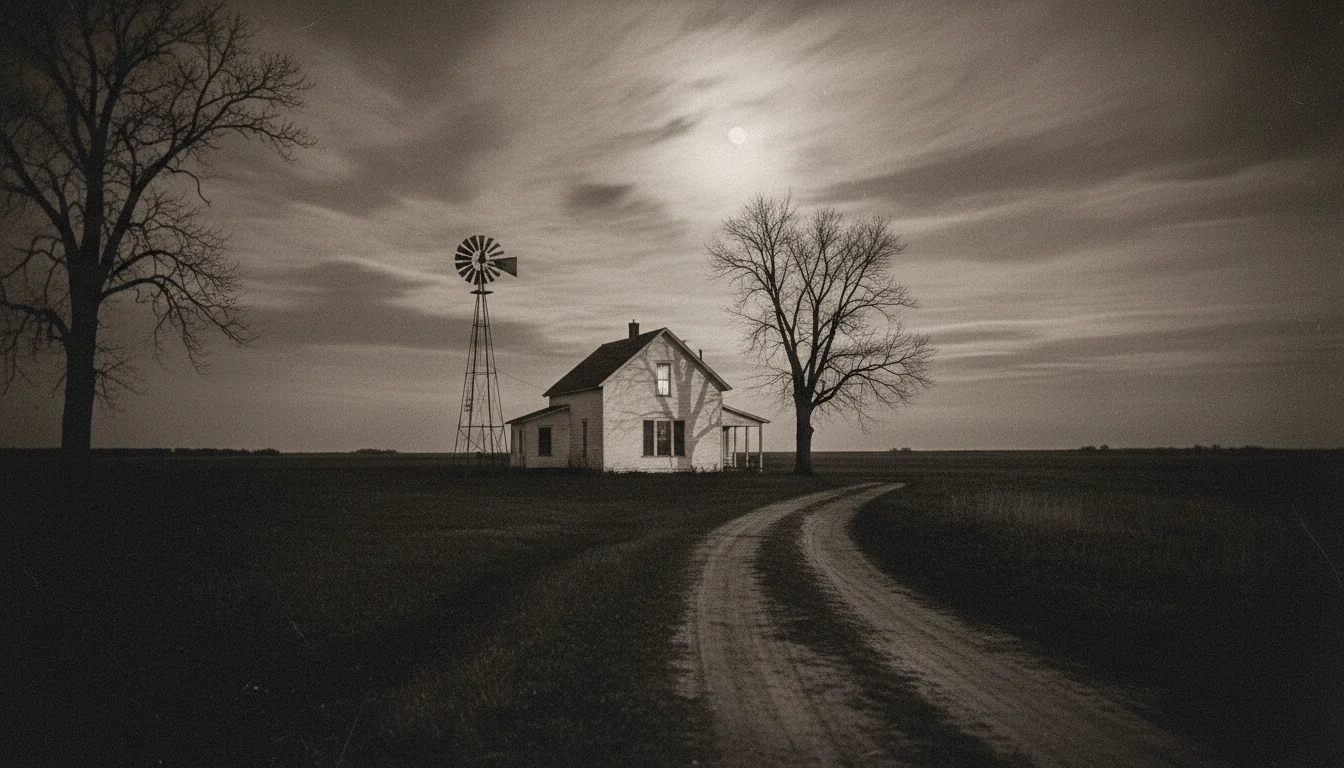
The morning of June 10, 1912, should have been ordinary in Villisca, Iowa. The sun rose over cornfields. Neighbors prepared for another summer day. But inside the small white house on East Second Street, eight bodies lay in beds soaked with blood - killed sometime in the night by an axe found in the guest room.
The victims were Josiah and Sarah Moore, their four children (Herman, Katherine, Boyd, and Paul), and two overnight guests - Lena and Ina Stillinger, young sisters who had stayed after attending a church event the night before. The youngest victim was just five years old.
The Crime Scene
What investigators found defied comprehension. Every mirror in the house had been covered with cloth. A four-pound slab of bacon sat at the foot of Josiah and Sarah's bed. A bowl of bloody water suggested the killer had washed his hands before leaving. All the curtains were drawn, every door locked from inside.
The axe belonged to Josiah Moore himself - taken from his own shed and used to murder his entire family. Medical examiners determined the blows were delivered with such force that the victims likely never woke. The killer had moved through the house methodically, room by room, in near-total darkness.
A Town Under Suspicion
Villisca had only about 2,500 residents in 1912. Everyone knew everyone. That made the case both simpler and more horrifying - because statistically, the killer was probably someone who had walked those same streets, attended the same church, perhaps even spoken to the Moores on that final Sunday evening.
Suspicion fell on several individuals over the years:
Frank F. Jones, a local businessman and state senator who had a bitter rivalry with Josiah Moore over business dealings and allegedly carried on an affair with Josiah's wife years earlier.
William Mansfield, a suspect linked to similar axe murders across the Midwest. He was never charged in Villisca but remained a person of interest.
Reverend George Kelly, an English minister who was actually tried twice for the murders. He had been in Villisca the night of the killings and reportedly confessed during a mental breakdown - though he later recanted. Both trials ended without conviction.
The Shadow of the Midwest Axe Murderer
What makes the Villisca case more chilling is its possible connection to a string of similar crimes. Between 1911 and 1912, at least five other axe murders occurred in the Midwest and South - Colorado Springs, Ellsworth (Kansas), Paola (Kansas), and two in Texas. In each case, the killer targeted entire families, used an axe found on the property, covered mirrors, and left the murder weapon behind.
Some investigators believed a single perpetrator - riding the rails between towns - committed all these crimes. Others thought the similarities were coincidental, amplified by sensational press coverage. The truth remains unknown.
Why It Remains Unsolved
The Villisca investigation suffered from nearly every problem a murder case can have:
Contaminated crime scene - Before any formal investigation, hundreds of townspeople walked through the house, handling objects and destroying evidence.
Competing jurisdictions - The Moores' case attracted private detectives, bounty hunters, and investigators from multiple agencies, all working at cross-purposes.
Political interference - Frank Jones's connections meant certain leads were never properly pursued.
No forensic science - DNA testing, fingerprint databases, and modern forensics didn't exist. Whatever physical evidence might have identified the killer was lost to time.
The House Still Stands
Today, the Moore house is a museum. Visitors come from around the world to walk through the rooms where eight people spent their final night. Some claim to experience paranormal activity - cold spots, disembodied voices, objects moving on their own.
Whether you believe in ghosts or not, there's something undeniably haunting about standing in a place where such violence occurred and knowing that justice was never served. The killer - whether local resident or traveling murderer - lived out their remaining years free.
What We Know and What We Never Will
Over 110 years later, the Villisca axe murders remain Iowa's most infamous unsolved crime. Generations of amateur detectives have pored over the evidence, proposed theories, and pointed fingers at long-dead suspects. Professional investigators have reopened the case multiple times.
But the fundamental questions remain unanswered: Who entered the Moore house that night? Why did they cover the mirrors? What did the bacon signify? And how did they slip away into the Iowa darkness, never to face judgment?
Some cases resist closure. Some secrets die with their keepers. And some small towns carry scars that never fully heal.
For other unsolved axe murder cases, the Hinterkaifeck murders took place on a German farm in 1922 with similarly baffling circumstances, and the Axeman of New Orleans terrorized an American city for two years before vanishing without a trace.

Want to Interrogate the Suspects?
Chat with historical figures and uncover the truth behind history's greatest mysteries.
Start Your InvestigationJoin the HistorIQly Club
Get smarter about the past.
Weekly stories, deep dives, and exclusive content straight to your inbox.