The Princes in the Tower: England's 500-Year-Old Murder Mystery
The Princes in the Tower vanished in 1483 and their fate remains unsolved. Explore Richard III, Henry VII, modern DNA evidence, and England's most enduring cold case.
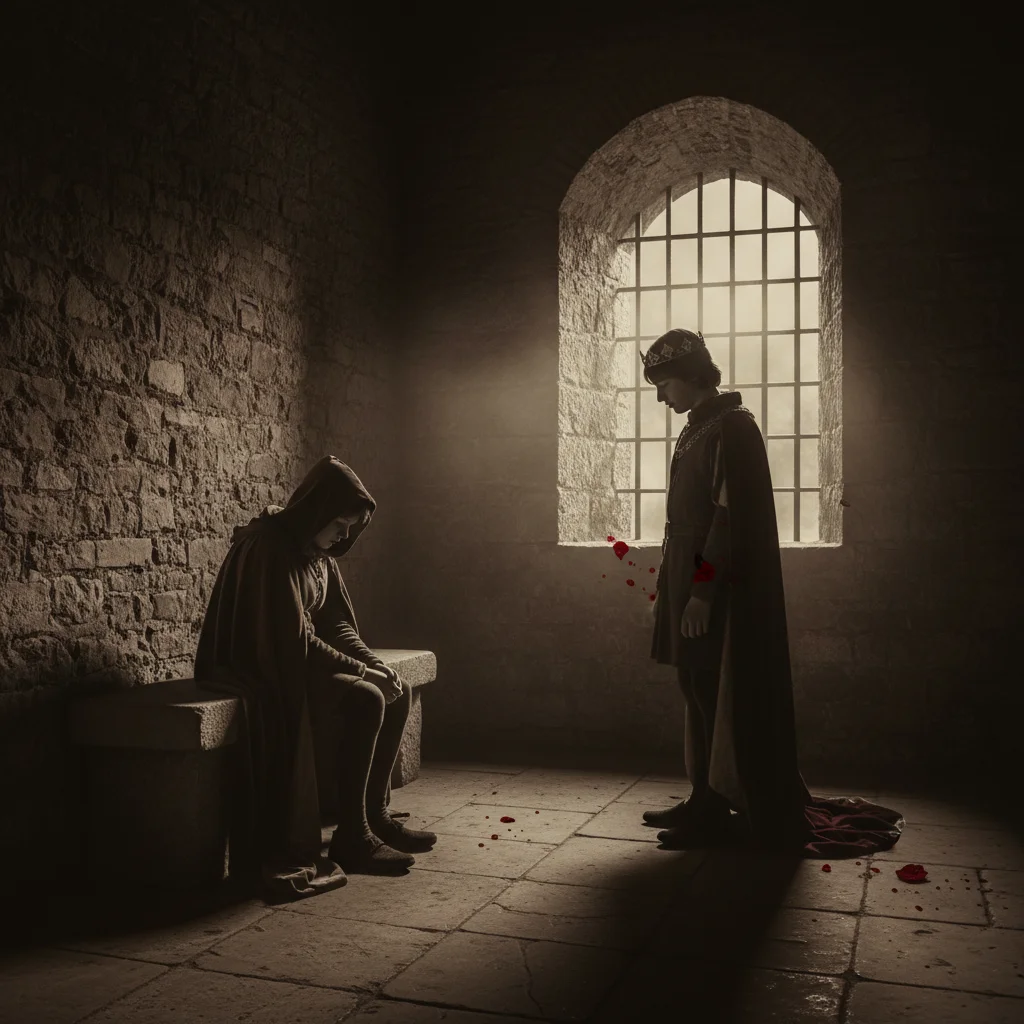
On a summer day in 1483, two young boys vanished from the Tower of London. They were never seen alive again. Their disappearance remains one of history's most enduring mysteries -a royal cold case that has fascinated historians, writers, and amateur sleuths for over five centuries.
The Victims: Two Princes Lost to History
Edward V, the rightful King of England, was just 12 years old when his father, King Edward IV, died unexpectedly in April 1483. His younger brother, Richard of York, was only 9. The boys were supposed to be safe in the Tower of London -at the time, a royal residence as well as a fortress -while preparations were made for young Edward's coronation.
But Edward V would never be crowned. Instead, both boys simply disappeared from historical records in the summer of 1483. No official announcement was made. No bodies were found. They just... vanished.
The Primary Suspect: Richard III
The most obvious suspect has always been their uncle, Richard, Duke of Gloucester, who became King Richard III after declaring the princes illegitimate and seizing the throne for himself.
The case against Richard:
- Motive: The princes stood between Richard and the crown. Dead boys don't challenge your claim to the throne.
- Opportunity: Richard controlled access to the Tower and had complete power over the boys' fate.
- Timing: The princes disappeared during his reign, and he made no effort to produce them alive to counter rumors of their deaths.
- Historical consensus: Most contemporary sources, particularly those written after Richard's defeat at Bosworth Field, blamed him directly.
The narrative seemed simple: Richard was a power-hungry villain who murdered his own nephews. Shakespeare certainly thought so, immortalizing Richard as one of history's great monsters in his play Richard III.
But history is rarely that simple.
Alternative Suspect #1: Henry VII
Here's where it gets interesting. Henry Tudor, who defeated Richard III at Bosworth Field in 1485 and became King Henry VII, also had compelling reasons to want the princes dead.
The case against Henry:
- Motive: As long as the princes lived, Henry's claim to the throne was shaky. He had a very distant claim to the crown through his mother's line.
- The impostor problem: During Henry's reign, several young men emerged claiming to be one of the princes -most notably Perkin Warbeck, who claimed to be Richard of York. Henry executed them all. Why such paranoia if he knew the princes were already dead?
- The silence: If the princes were already dead when Henry took the throne, why didn't he immediately produce evidence and blame Richard? Instead, he was strangely quiet about the matter.
- Access: Some historians argue Henry could have ordered their deaths even after taking the throne, then blamed Richard retroactively.
Alternative Suspect #2: The Duke of Buckingham
Then there's Henry Stafford, Duke of Buckingham, Richard III's right-hand man who later rebelled against him.
The case against Buckingham:
- Opportunity: As Constable of England, Buckingham had the authority to access the Tower.
- Motive: Buckingham had his own royal blood and ambitions. With the princes and Richard out of the way, his claim to the throne wasn't terrible.
- The rebellion: Buckingham's sudden rebellion against Richard in October 1483 coincided with the height of rumors about the princes' deaths. Was this guilt? A power play gone wrong?
- Historical hints: Some contemporary sources suggested Buckingham was the actual murderer, possibly acting without Richard's knowledge.
The Evidence: Bones in a Box
In 1674, workmen renovating the Tower of London made a grim discovery: a wooden box containing the skeletons of two children, buried beneath a staircase. King Charles II assumed they were the lost princes and had them interred in Westminster Abbey in an elaborate ceremony.
For centuries, those bones sat in Westminster Abbey. Were they really the princes?
In 1933, the bones were briefly examined. The experts concluded they belonged to two children roughly matching the ages of the princes in 1483. But the examination was limited, and the evidence inconclusive.
Modern DNA: The Answer We Can't Get
Here's the frustrating part: we have the technology to solve this mystery definitively. DNA testing could tell us:
- Whether the bones are related to Edward IV (the princes' father)
- Whether they're related to the living descendants of the royal family
- Even potentially whether they're related to Richard III (whose own remains were famously discovered under a parking lot in Leicester in 2012)
But the Church of England has repeatedly refused permission to exhume and test the bones in Westminster Abbey. Their reasoning? The remains have been formally interred in consecrated ground and should be left in peace.
So we're stuck with theories, circumstantial evidence, and educated guesses.
The Modern Consensus (Such As It Is)
Most historians today believe:
- The princes were probably murdered in late summer 1483
- Richard III is the most likely culprit, though not certain
- We may never know the full truth unless the DNA testing is allowed
Some recent historians have attempted to rehabilitate Richard's image, arguing he's been unfairly vilified by Tudor propaganda. The Richard III Society has worked tirelessly to present alternative theories and defend his reputation.
Why This Cold Case Still Matters
The mystery of the Princes in the Tower endures because it encapsulates a fundamental question about power: how far will people go to obtain it?
Two innocent children became pawns in a ruthless political game. Someone -whether their uncle, a future king, or an ambitious noble -decided they were worth more dead than alive. That calculation, that cold willingness to sacrifice children for political gain, is what makes this case so haunting.
The truth is buried somewhere in the past -possibly quite literally, in a tomb in Westminster Abbey. Until the Church changes its mind about DNA testing, the Princes in the Tower will remain one of history's greatest unsolved mysteries.
The cold case remains open.
For other royal mysteries with disputed suspects and limited evidence, the Edgar Allan Poe mysterious death is a later case where circumstantial evidence points in multiple directions. The Last Duel (2021) covers the medieval French context that shaped the same culture of power and honor that consumed the princes.

Want to Interrogate the Suspects?
Chat with historical figures and uncover the truth behind history's greatest mysteries.
Start Your InvestigationJoin the HistorIQly Club
Get smarter about the past.
Weekly stories, deep dives, and exclusive content straight to your inbox.