Time Traveler's Guide to Viking Jorvik, 950 AD
Pack your furs and learn some Old Norse - we're visiting one of the Viking world's greatest trading cities in Anglo-Saxon England.
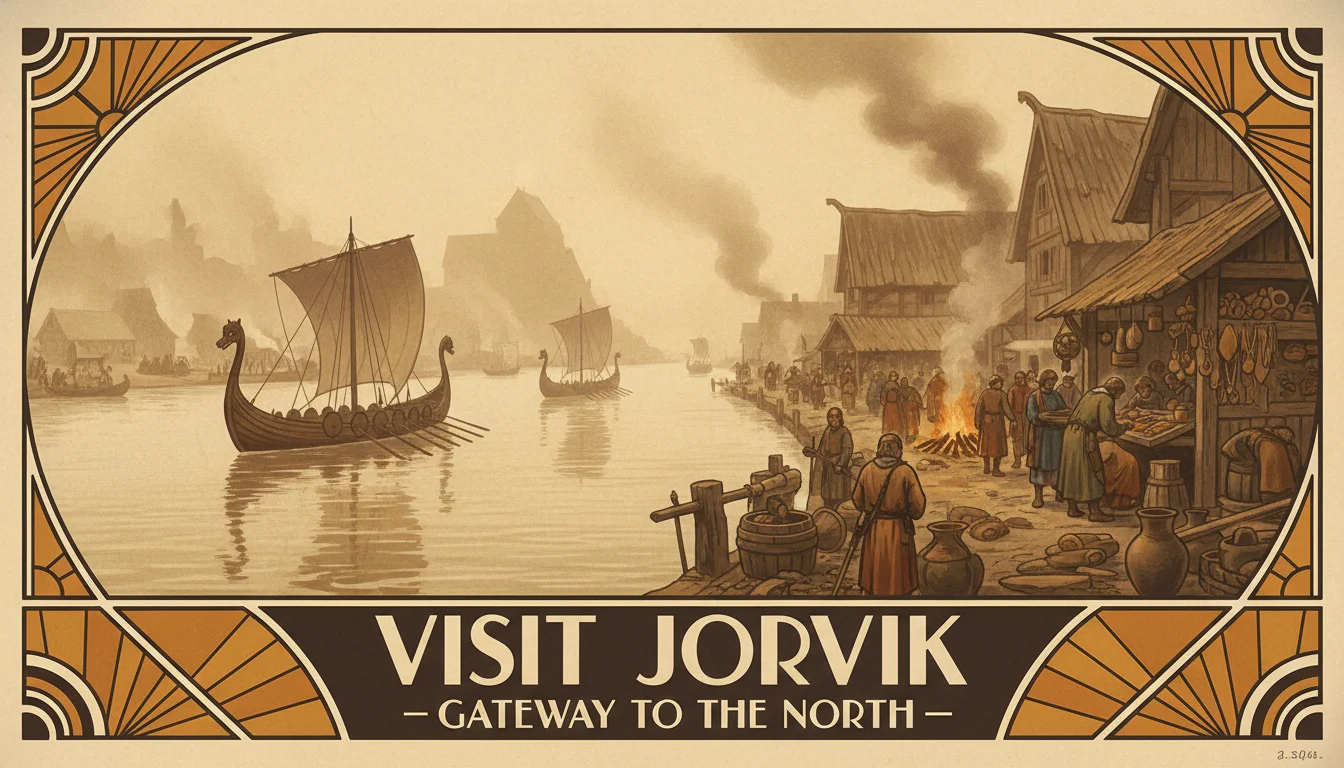
So you've decided to visit Jorvik, the Viking capital of northern England, at the height of its power around 950 AD. Excellent choice. This is one of the largest and wealthiest cities in Britain, a cosmopolitan trading hub where Norse settlers, Anglo-Saxons, Irish Vikings, and merchants from as far as Baghdad rub shoulders in muddy streets lined with craft workshops. Here's everything you need to know to survive - and thrive - in Viking York.
When to Arrive
Aim for late spring through early autumn. Jorvik winters are brutal, with icy winds sweeping down from the North Sea and the rivers running thick with ice. Summer brings the trading season, when ships arrive from Scandinavia, Ireland, and the Continent, and the city buzzes with commerce.
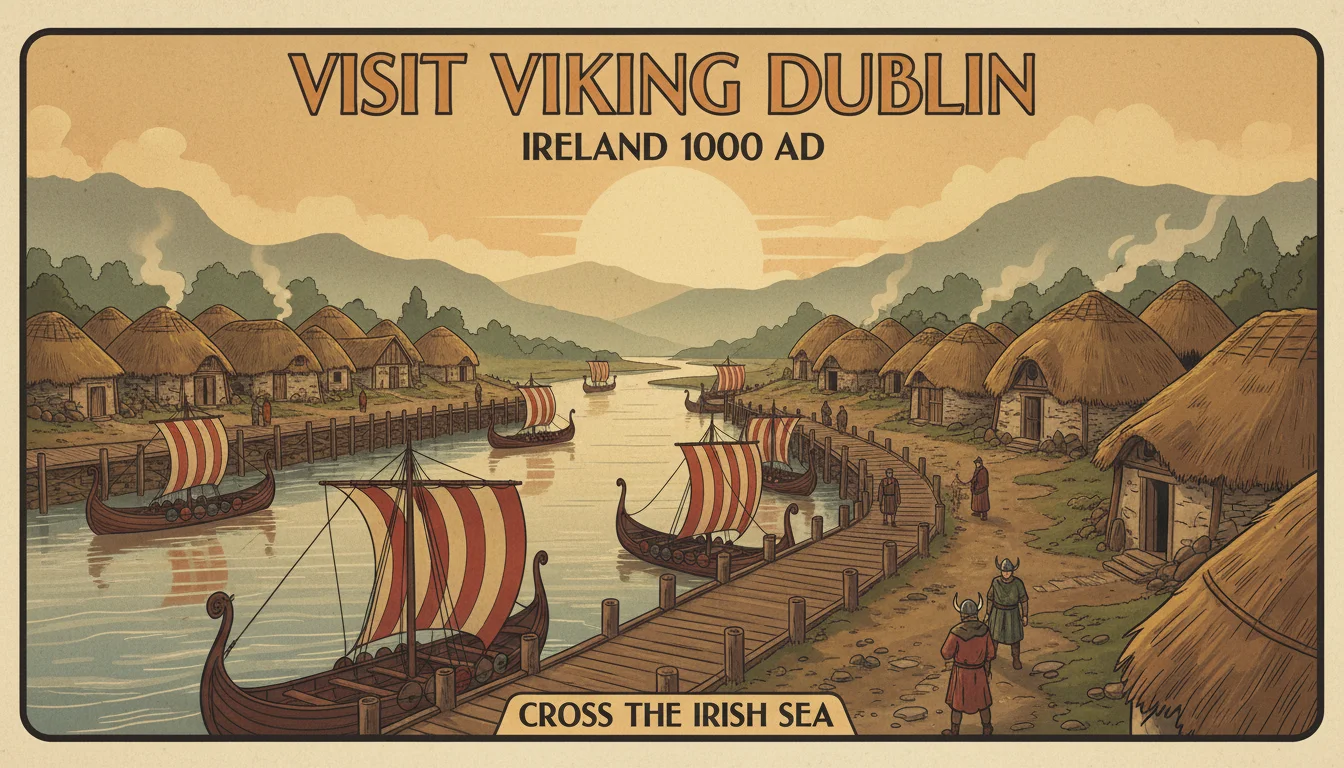
Market days are your best bet for experiencing Jorvik at its liveliest. The main market operates near the River Ouse, where you'll find everything from amber and walrus ivory to slaves and silver. Ships also depart regularly for Viking Dublin.
What to Wear
Blend in or face suspicion. Men should wear a knee-length wool tunic (kyrtill) over linen undergarments, with wool trousers gathered at the ankle. Add a leather belt for your knife (everyone carries one - it's your eating utensil, not a weapon declaration) and a simple wool cloak fastened with a bronze or bone pin.
Women wear a long linen undergown with a shorter wool overdress, often held at the shoulders with distinctive oval brooches. These brooches are status markers - the wealthier the woman, the more elaborate the metalwork.
Forget bright colors unless you're wealthy. Most commoners wear natural wool shades - browns, grays, and off-whites. Red and blue dyes exist but cost a fortune. Leather shoes are essential - the streets are a horror of mud, animal waste, and workshop runoff.
Language Basics
Old Norse dominates, but you'll hear Old English spoken by the Anglo-Saxon population who still make up a significant portion of the city. Many Jorvik residents are bilingual or speak a hybrid.
Essential phrases:
- "Heill ok sæll" - Hello (to a man); "Heil ok sæl" to a woman
- "Hvat heitir þú?" - What is your name?
- "Hvar er..." - Where is...
- "Þakka þér" - Thank you
- "Ek skil ekki" - I don't understand
Don't attempt to fake fluency. Claim to be a merchant from a distant land - the Scandinavian diaspora is so vast that unusual accents rarely raise eyebrows.
Money and Trade
Jorvik runs on silver. The primary currency is hack-silver - bits of silver jewelry, ingots, and coins cut into pieces and weighed on portable scales. Bring a small scale and weights; merchants will produce theirs to verify any transaction.
Coins circulate too - Arabic dirhams from the Islamic world, Frankish deniers, and Anglo-Saxon pennies all have value here. The Vikings melt and recast coins freely, so the design matters less than the weight and purity.
Barter works for small transactions. A decent meal might cost a few glass beads or a bone comb.
Where to Stay
No inns exist as you'd recognize them. Your options:
Befriend a local family - Hospitality is a sacred duty in Norse culture. Offer a gift (silver, a useful tool, exotic goods) and you may be welcomed as a guest. Just understand the obligations this creates.
Rent space in a workshop - Many craftsmen live above or behind their shops. A small payment might get you a spot by the fire.
The church district - Jorvik has a Christian presence despite Viking rule. The clergy occasionally shelter travelers, especially if you claim pilgrimage.
Avoid sleeping rough. The streets are genuinely dangerous after dark, and the city watch may assume you're a thief.
What to Eat
Jorvik food is hearty, meat-heavy, and seasonal.
Breakfast barely exists - maybe some leftover porridge or bread. The main meal comes in late afternoon.
Common dishes:
- Barley or oat porridge sweetened with honey
- Rye bread (dense and chewy)
- Pork in every form - fresh, salted, smoked
- Fish - especially herring, cod, and eel from the rivers
- Dairy products: cheese, butter, and skyr (thick cultured milk)
- Vegetables: cabbage, onions, beans, peas
Ale is the universal beverage. The water isn't safe, and everyone from children to the elderly drinks weak ale throughout the day. Mead exists but is for special occasions.
Skip the meat at a stranger's table if you're cautious - food poisoning is rampant, and you won't recognize spoilage the way locals do.
Must-See Locations
Coppergate - The heart of commercial Jorvik. Workshops line both sides of this street: leatherworkers, woodcarvers, jewelers, blacksmiths. The smell is extraordinary - a pungent mix of tanning leather, hot metal, and human waste. Artisans work in the open, and you can watch masters craft the amber beads and bone combs that will end up in graves from Dublin to Novgorod.
The Waterfront - Where the River Foss meets the Ouse. Ships dock here with goods from across the known world. You might see walrus ivory from Greenland, silk from Constantinople, wine from France, and slaves from Ireland being offloaded on the same afternoon.
The Minster - Christianity coexists uneasily with the old gods. The wooden church stands on Roman foundations, a reminder that Jorvik (Roman Eboracum) has been a power center for nearly a millennium.
The Great Hall - If you can talk your way in, the King's hall offers a glimpse of Viking elite culture. Poetry, feasting, political intrigue, and occasionally spectacular violence.
Dangers to Avoid
Political instability - The 940s and 950s see constant power struggles between Scandinavian kings and Anglo-Saxon rulers eyeing reconquest. You might arrive to find the city changing hands. Stay neutral.
Slave traders - You can be enslaved for debt, capture in a raid, or simply being in the wrong place. Don't travel alone, especially if you look foreign and valuable.
Disease - Dysentery, typhoid, and various fevers are endemic. Drink only ale or boiled water. Wash your hands before eating (the Vikings are actually cleaner than most medieval Europeans, but standards vary).
Legal trouble - Viking law is complicated and favors locals. If accused of a crime, you may face trial by ordeal or combat. Having a local vouch for your character is essential.
The streets after dark - No lighting, open sewage ditches, and plenty of people who'd kill you for your cloak. Stay indoors.
Customs to Respect
Gift-giving - Norse culture revolves around reciprocity. Accept hospitality, give a gift. Receive a gift, give one back. The exchange binds you together socially.
Never insult a man's honor - Verbal insults can legally justify violence. Be polite, especially when ale is flowing.
Religious neutrality - The city is religiously mixed. Christians and pagans coexist, sometimes within the same family. Don't mock either tradition.
The Thing - Regular assemblies settle disputes and make decisions. If you witness one, stay quiet. These are serious political events.
Souvenirs Worth Grabbing
- Amber jewelry - Baltic amber flows through Jorvik; buy it at the source
- Bone combs - Beautifully carved, practical, and quintessentially Viking
- Soapstone vessels - Imported from Norway, excellent for cooking
- Leather goods - Jorvik leatherwork is exceptional
- Glass beads - Made locally; they'll be museum pieces in a thousand years
Getting Out
Ships leave regularly for Dublin, Scandinavia, and ports along the English coast. Overland travel is possible but slow and dangerous - hire a guide and travel in groups.
If politics turn against you, head south toward Anglo-Saxon territory or west toward the Irish Sea ports. The kingdom's borders are porous, and merchants cross them constantly.
Final Tips
Jorvik in 950 AD is a city on the edge of transformation. Within a generation, the last Viking king will fall and the city will return to Anglo-Saxon rule. But right now, it's a thriving, filthy, fascinating place where the North Sea world converges.
Keep your silver close, your knife closer, and your wits about you. Learn to appreciate the craftsmanship, the poetry, and the fierce hospitality of the Norse. And if someone offers you a drinking horn, accept it - refusing is an insult you can't afford.
Welcome to Jorvik. Try not to get enslaved.

Need Advice from Someone Who Lived There?
Get firsthand accounts from people who actually lived through these moments in history.
Ask Them YourselfJoin the HistorIQly Club
Get smarter about the past.
Weekly stories, deep dives, and exclusive content straight to your inbox.