The Springfield Three: A Triple Disappearance That Defies Explanation
The Springfield Three - three women who vanished overnight from a Missouri home in 1992 - remain one of America's most haunting unsolved cold cases.
Read Wikipedia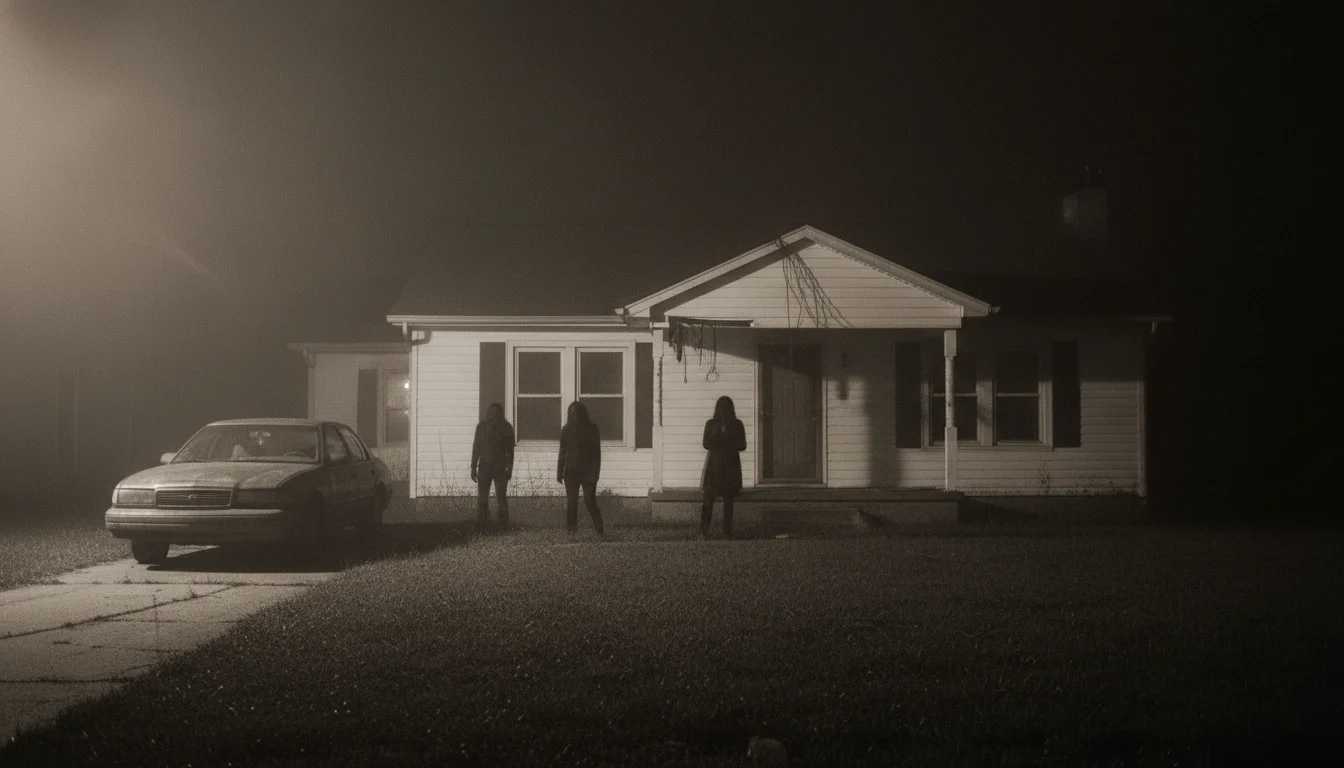
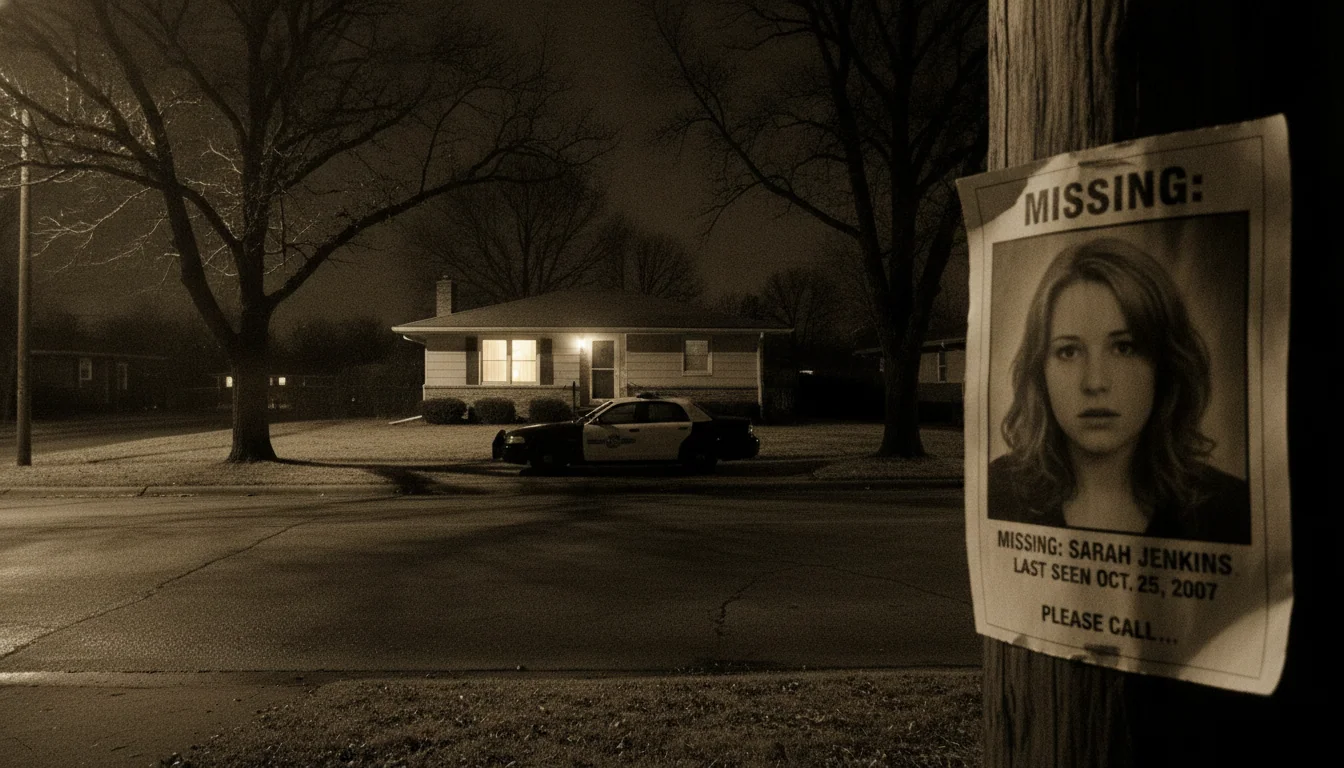
On the morning of June 7, 1992, the city of Springfield, Missouri woke to a mystery that would haunt investigators for over three decades. Three women had vanished from a modest home on East Delmar Street, leaving behind almost everything they owned, including their cars, their purses, and any hope of a quick resolution.
A Night of Celebration
The evening of June 6 had been one of joy. Suzanne Streeter, 19, and her friend Stacy McCall, 18, had just graduated from Kickapoo High School. After attending several graduation parties that night, the two young women decided to skip their original plan to stay at a friend's house and instead headed to Suzanne's home, where her mother Sherrill Levitt, 47, was waiting.
Sherrill was a well-liked cosmetologist who had recently divorced. She lived with her daughter in a small but comfortable house. By all accounts, both mother and daughter arrived home safely that night. The porch light was on. The door was locked. Everything appeared normal.
The Morning After
When friends tried to reach Stacy and Suzanne the next morning, no one answered the phone. By early afternoon, concerned friends drove to the Delmar Street house to check on them. What they found was unsettling in its ordinariness.
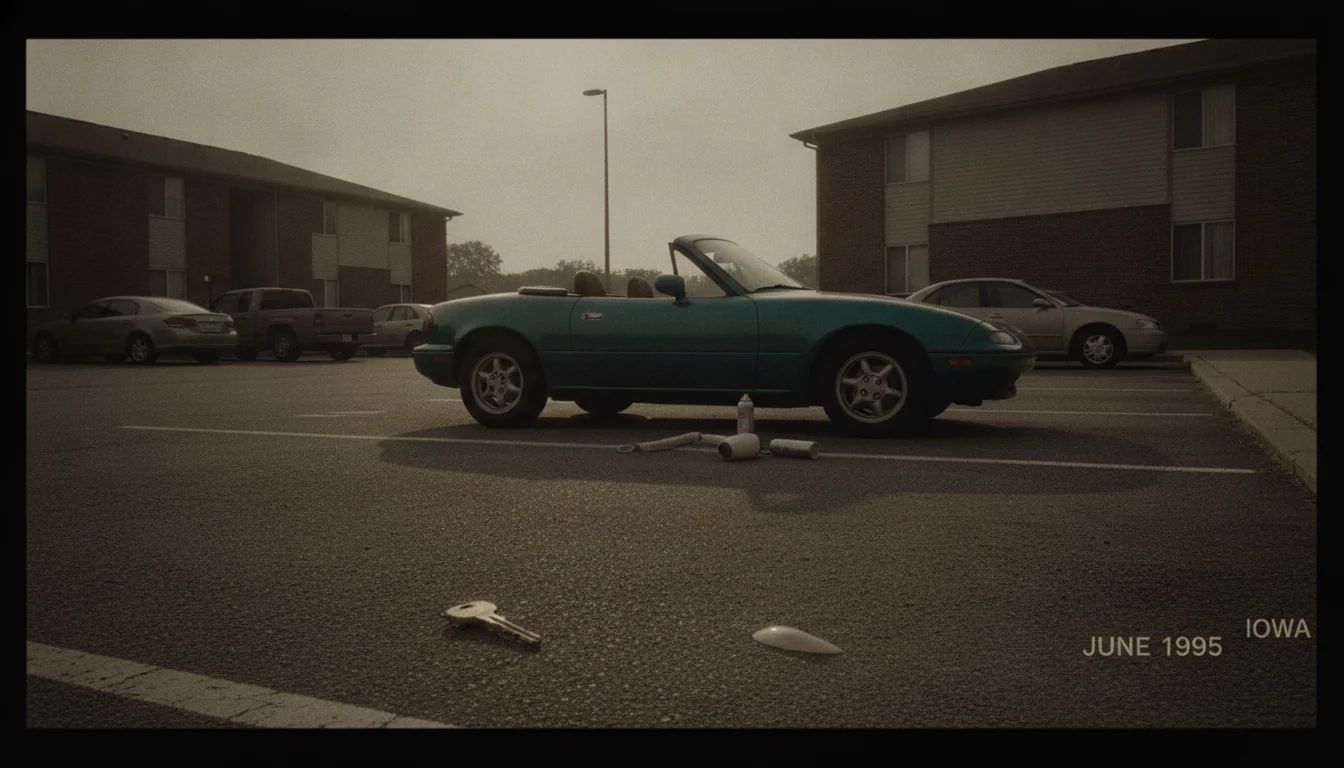
The front door was unlocked. The family dog, a small Yorkshire terrier named Cinnamon, was agitated but unharmed. Suzanne's and Sherrill's purses sat on the floor near the door, cash and credit cards untouched. Both of Sherrill's cars were in the driveway. The beds appeared to have been slept in. A broken porch light globe lay shattered on the ground near the front steps.
Everything suggested the three women had gone to bed and then simply ceased to exist.
A Crime Scene Contaminated
In a catastrophic misstep that would plague the investigation for years, the friends who entered the house did not immediately call police. Instead, they cleaned up the broken glass from the porch light, assuming it had been knocked over by a cat. They answered phone calls. One friend even deleted a message on the answering machine, later claiming it contained an "obscene" call from a stranger.
By the time police were finally contacted, hours had passed. The crime scene, if it even was one, had been irreparably compromised. Investigators would later describe the contamination as one of the most damaging aspects of the entire case.
The Investigation
Springfield police initially treated the disappearance as voluntary. Three adults leaving of their own accord, while unusual, was not impossible. But as days turned to weeks with no contact, no bank withdrawals, and no sightings, the reality became clear: something terrible had happened inside that house.
The broken porch light emerged as the single most debated piece of evidence. Was it a signal? A struggle? An accident? The deleted answering machine message haunted investigators. What had it contained? The friend who erased it could never fully recall its contents, describing only a "weird" or "threatening" voice.
Detectives pursued hundreds of leads. They investigated Sherrill's ex-husband, local criminals, and even a grave robber named Robert Craig Cox, a convicted kidnapper who had told friends that the three women would "never be found." Cox, who had an alibi that was never fully verified, became the most prominent suspect but was never charged.
The Parking Garage Theory
In 2007, retired investigator Kathee Baird presented a theory that captured national attention. She believed the women's remains might be buried beneath a parking garage at Cox Medical Center, constructed shortly after the disappearance. Ground-penetrating radar surveys produced ambiguous results, showing anomalies in the concrete that could indicate buried remains or simply uneven construction.
The hospital refused to allow excavation without more definitive evidence. To this day, the garage stands as a monument to uncertainty, its foundation potentially concealing the answer to Springfield's greatest mystery.
Suspects and Theories
Beyond Robert Craig Cox, investigators examined several other persons of interest. Two men linked to local drug trafficking were scrutinized after a jailhouse informant claimed they had confessed to the crime. The theory suggested the men had targeted Suzanne over a drug debt, with Sherrill and Stacy becoming collateral victims.
Another theory pointed to a serial predator operating in the Ozarks region. Several women had disappeared from the area in the early 1990s, leading some to wonder if the Springfield Three were victims of a pattern rather than an isolated crime.
Larry DeWayne Hall, a serial killer who confessed to multiple abductions across the Midwest, was also investigated. Hall was known to travel to the Springfield area, but no concrete evidence linked him to the Delmar Street house.
What Makes This Case So Haunting
Most disappearances leave something behind. A witness. A transaction. A body. The Springfield Three left nothing. Three women vanished from a locked house in a populated neighborhood, and not a single neighbor heard a sound. No one saw a vehicle. No forensic evidence pointed to a specific perpetrator.
The lack of physical evidence suggests careful planning by someone who knew the house and its occupants. The fact that all three women were taken simultaneously, without apparent resistance, implies either a weapon or multiple perpetrators. The untouched purses and cars rule out voluntary departure.
Perhaps most disturbing is the timing. Whoever took these women knew that graduation night would provide cover. Parents expected their children to be out late. Friends expected flexible plans. The window of vulnerability was narrow, and someone exploited it with precision.
Three Decades of Silence
Sherrill Levitt's mother, who spent the final years of her life searching for answers, passed away in 2017 without resolution. Stacy McCall's parents have endured decades of not-knowing, a particular cruelty that experts say is often worse than confirmed loss.
The Springfield Police Department maintains an active file on the case. In 2019, they announced that DNA technology had advanced enough to potentially re-examine old evidence. But without bodies, without a primary crime scene, and without a confession, the path forward remains murky.
The house on East Delmar Street still stands. It has changed hands several times, each new owner inheriting the weight of its history. Neighbors still glance at it when they pass, remembering the summer morning when three women vanished and took Springfield's sense of safety with them.
If you have information about the disappearance of Sherrill Levitt, Suzanne Streeter, or Stacy McCall, contact the Springfield Police Department or the FBI's Kansas City field office. Someone, somewhere, knows what happened on the night of June 6, 1992.
For related vanishing cases, see Kris Kremers and Lisanne Froon and Connie Converse: The Disappearing Folk Singer.

Want to Interrogate the Suspects?
Chat with historical figures and uncover the truth behind history's greatest mysteries.
Create your free account →No card required. Some figures and features require a paid plan.
Join the HistorIQly Club
Get smarter about the past.
Weekly stories, deep dives, and exclusive content straight to your inbox.