The SS Ourang Medan: The Ghost Ship Where Every Soul Died Screaming
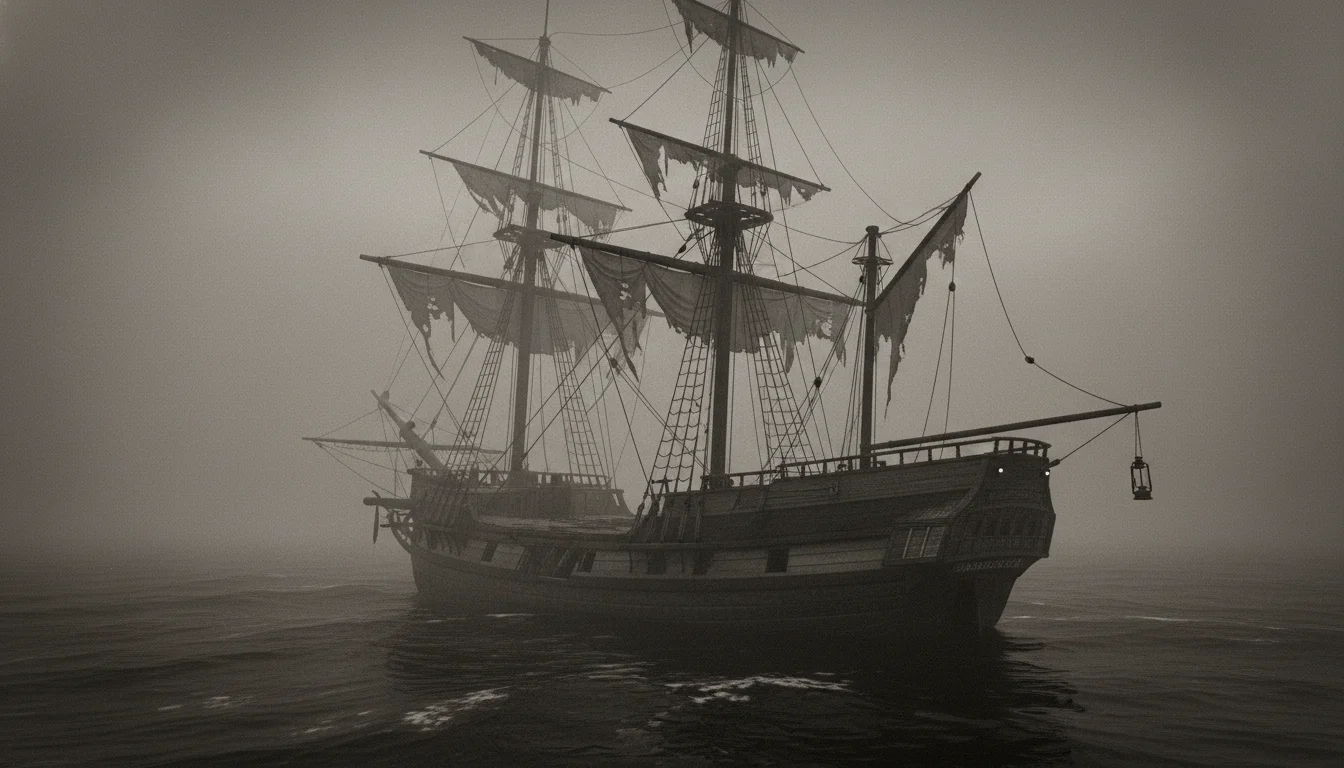
The SS Ourang Medan ghost ship mystery: a 1947 Dutch freighter whose crew died with faces frozen in terror before the vessel exploded into the Straits of Malacca.
The message crackled through the radio at dawn, its Morse code spelling out words that would haunt maritime history forever.
"S.O.S. from Ourang Medan. We float. All officers including the captain, dead in chartroom and on the bridge. Probably whole of crew dead."
A pause. More incoherent dots and dashes. Then, chillingly:
"I die."
And then silence.
A Ship of the Dead
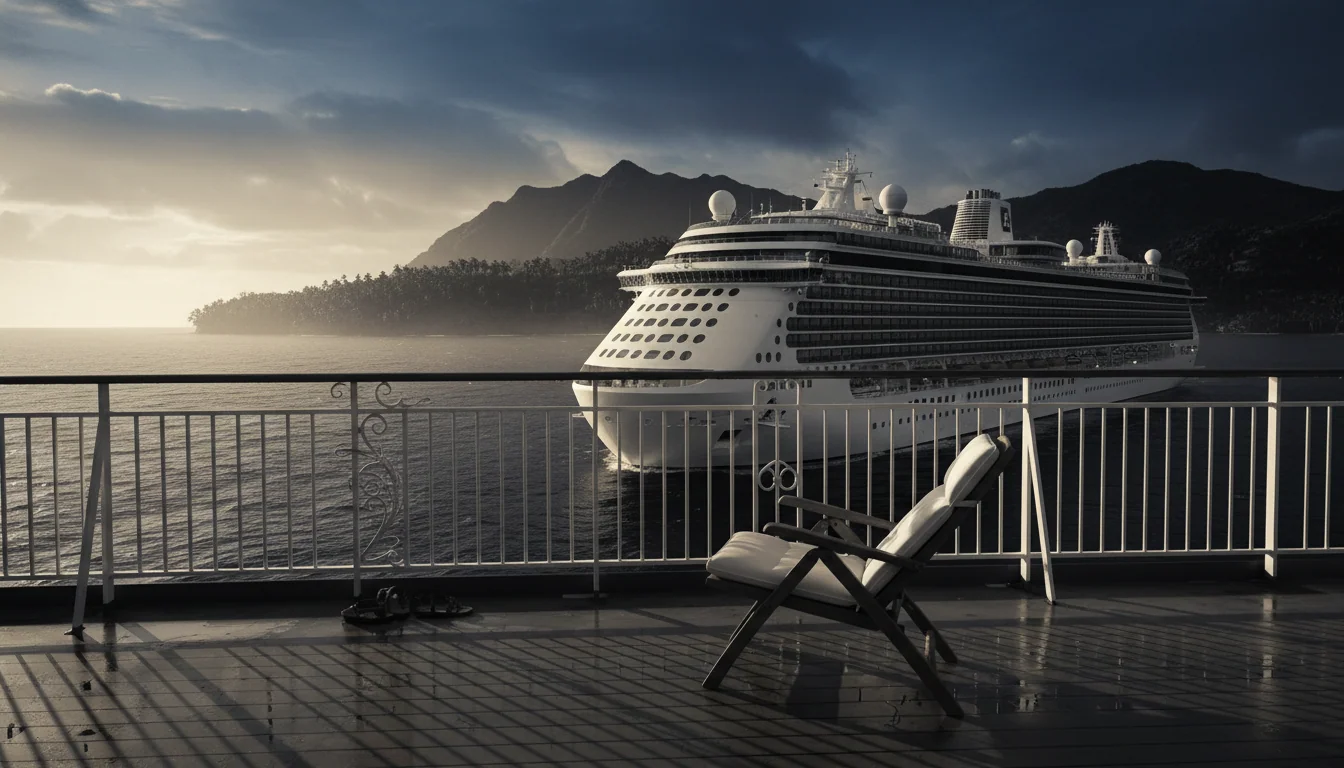
Sometime in June 1947 - though some accounts place it in February 1948 - multiple vessels navigating the Straits of Malacca picked up distress signals from a Dutch merchant freighter called the SS Ourang Medan. The American ships City of Baltimore and Silver Star triangulated the position and raced to investigate.
What they found would become one of the sea's most disturbing unsolved mysteries.
The Silver Star located the Ourang Medan drifting aimlessly, apparently undamaged. No fires. No obvious collision damage. No response to signals. The crew of the rescue vessel had no idea they were about to board a floating morgue.
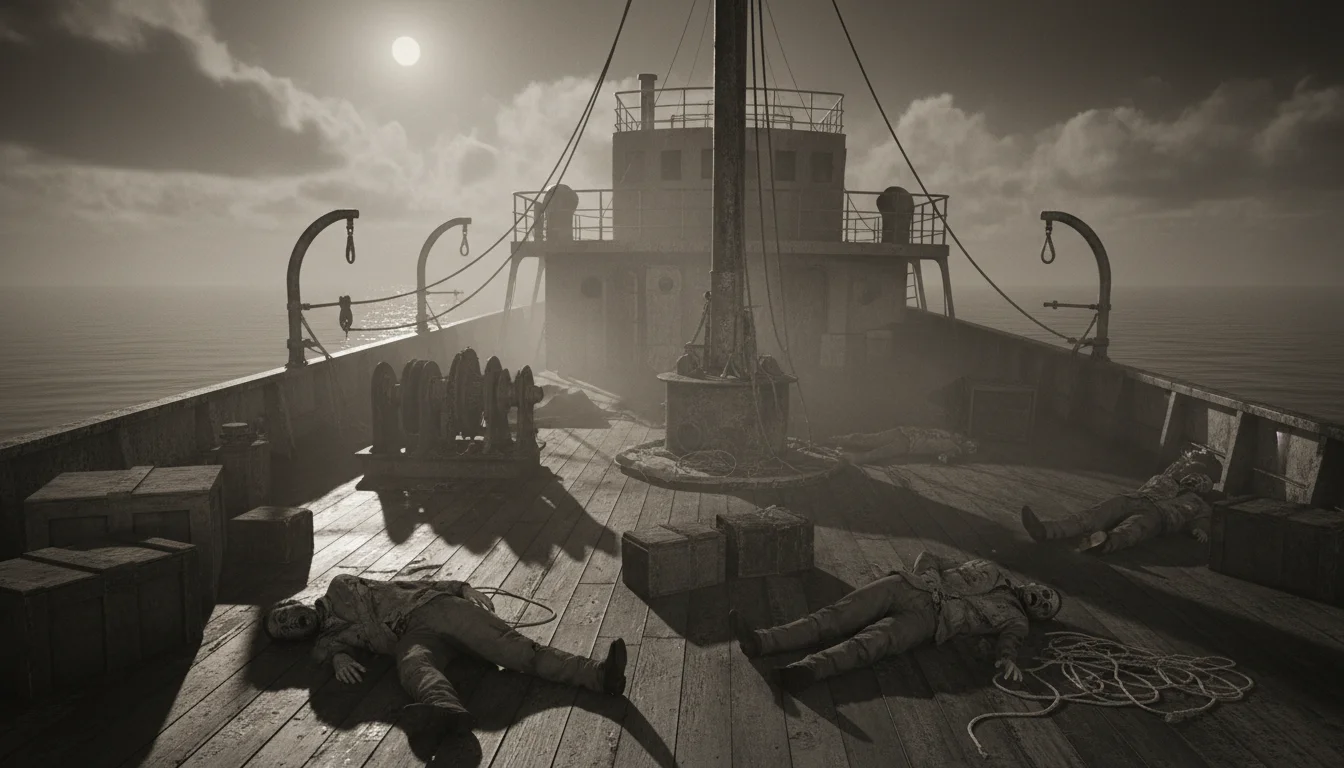
When the boarding party climbed onto the deck, they were met with a scene from a nightmare.
Bodies were everywhere.
The captain lay dead on the bridge, his eyes wide open, staring at nothing. In the chartroom, officers sprawled across their stations as if struck down mid-task. The communications officer was found slumped over his telegraph, his hand still frozen in position from sending his final message.
Below decks, it was worse. Crew members lay scattered throughout the ship - in corridors, in the engine room, in their quarters. Even the ship's dog was dead, its teeth bared in a final snarl at some unseen horror.
But it wasn't just that they were dead. It was how they looked.
Faces Frozen in Terror
Every single corpse shared the same impossible expression: mouths gaping open in silent screams, eyes bulging with terror, faces contorted into masks of absolute horror. Their bodies were sprawled on their backs, arms outstretched as if trying to ward something off, faces turned upward toward the sun.
The rescue party described them as "horrible caricatures" of human beings - as if whatever killed them had been so terrifying that death itself had frozen their final moments of fear forever.
Yet there wasn't a mark on any of them. No wounds. No blood. No signs of violence or struggle. No indication of disease. Just dozens of men who had apparently died simultaneously of pure, unadulterated terror.
The boarding party searched the entire vessel, desperately looking for survivors, for clues, for anything that might explain what had happened. They found nothing but the dead.
Then they decided to tow the Ourang Medan to port for a proper investigation.
That's when the fire started.
A Ship That Refused to Give Up Its Secrets
Without warning, smoke began pouring from the Number 4 cargo hold. Within moments, flames erupted throughout the ship. The rescue party barely had time to evacuate before the entire vessel was engulfed.
Then the Ourang Medan exploded.
The blast was powerful enough to lift the ship out of the water before it broke apart and sank into the depths of the Straits of Malacca. Whatever secrets the ghost ship held - whatever cargo it carried, whatever logs might have explained the crew's fate - disappeared forever beneath the waves.
The Silver Star could only watch as the mystery ship took its mysteries to the bottom of the sea.
The Theories
For decades, investigators, historians, and amateur sleuths have proposed explanations for the Ourang Medan disaster. None are entirely satisfying.
The Poison Gas Theory
The most widely accepted theory involves the ship's cargo. One account describes a German survivor who washed up on Taongi Atoll in the Marshall Islands, where he told a missionary that the Ourang Medan had been carrying badly stowed containers of sulfuric acid. When the containers leaked, toxic fumes filled the ship, killing everyone aboard.
But this doesn't explain the expressions of terror on the victims' faces. Sulfuric acid poisoning is horrific, but it typically causes visible burns and doesn't kill instantly.
A darker version of this theory suggests the ship was secretly transporting something far more sinister: nerve agents. In the chaotic aftermath of World War II, vast stockpiles of Japanese chemical weapons existed in China, and these needed to be moved covertly. A ship with no official registration would leave no paper trail.
If containers of nerve gas had leaked, the symptoms would match: rapid death, no visible injuries, possible facial contortions from nerve agent exposure. The fire and explosion? A chemical reaction when seawater entered the hold.
The Carbon Monoxide Theory
A more mundane explanation suggests a malfunction in the ship's boiler system caused carbon monoxide to slowly fill the vessel. Carbon monoxide is odorless and colorless - victims wouldn't have known they were being poisoned until it was too late.
But carbon monoxide poisoning typically causes victims to appear peaceful, even rosy-cheeked. It doesn't explain faces frozen in terror.
The Paranormal Theory
Some researchers have ventured into stranger territory. The expressions on the crew's faces, they argue, suggest the men saw something - something so horrifying that it killed them through sheer terror.
UFO enthusiasts point to the timing (1947 was the year of the Roswell incident) and the remote location. Others whisper about sea monsters, curses, or dimensional rifts.
A Ship That May Never Have Existed
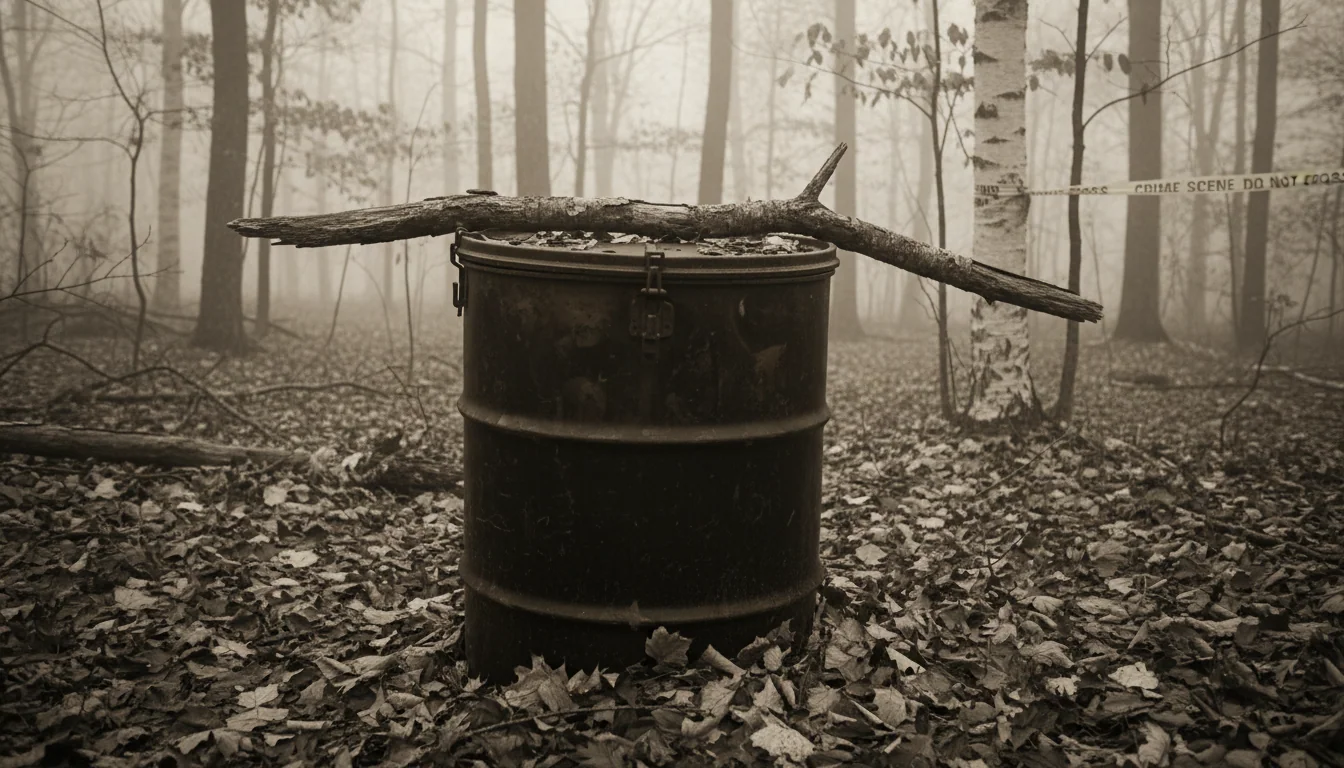
Here's the most troubling aspect of the Ourang Medan mystery: there's no proof the ship ever existed at all.
Researchers have scoured Lloyd's Shipping Register, the definitive record of maritime vessels, and found no ship by that name. No registration records exist in the Netherlands, Britain, or any other maritime nation. The Silver Star has been tentatively identified, but its ship logs contain no record of any rescue attempt.
The story first appeared in 1940 in an Italian newspaper, Il Piccolo, written by a maritime radio operator and freelance journalist named Silvio Scherli. The same writer produced expanded versions in 1948, adding new details with each telling - the surviving German sailor, the nerve gas theory, the specific SOS messages.
Each time the story was reprinted, it grew more dramatic. The dates shifted. The locations changed. Details multiplied.
Was Silvio Scherli reporting fact or spinning fiction? Was he passing along a genuine maritime mystery, or crafting an urban legend that would capture imaginations for generations?
The Dutch newspaper De Locomotief, after publishing a three-part series on the incident in 1948, felt compelled to add a disclaimer: "It may seem obvious that the entire story is a fantasy, a thrilling romance of the sea. On the other hand, the author, Silvio Scherli, assures us of the authenticity of the story."
The Enduring Mystery
The SS Ourang Medan ghost ship exists in a peculiar space between history and legend. Too detailed to dismiss outright, too poorly documented to confirm.
Perhaps a Dutch freighter really did carry a forbidden cargo through the Straits of Malacca, its crew dying in agony from leaked poison gases before the evidence exploded and sank. Perhaps Japanese nerve agents from the war found their way onto an unregistered ship, killing everyone aboard when containment failed.
Or perhaps a journalist in Trieste invented a ghost story that captured the public imagination so completely that it has been repeated as fact for eighty years.
We know ships disappear. We know the post-war period was chaotic, with governments moving all manner of dangerous materials through unofficial channels. We know that fires and explosions at sea can destroy all evidence.
And we know that somewhere in the Straits of Malacca, one of two things rests on the ocean floor: either a real ship full of real corpses whose faces are still frozen in that final expression of terror, or nothing at all but the weight of a legend that refuses to die.
The name "Ourang Medan" translates roughly from Indonesian as "Man from Medan." But the ship's crew were never identified. Their names, their nationalities, their families - all lost, either to the sea or to fiction.
And maybe that's the most unsettling part. If the Ourang Medan was real, then dozens of men died in unspeakable terror and were forgotten by history. If it wasn't, then we've spent eight decades mourning ghosts who never existed.
Either way, something about this story refuses to let us go.
The SS Ourang Medan remains one of maritime history's most debated mysteries. Whether fact, fiction, or something in between, the image of that final radio message - "I die" - continues to haunt the imagination nearly a century later.
For more unexplained historical disappearances, see our investigations of the Flannan Isles lighthouse mystery and the Tunguska event of 1908.

Want to Interrogate the Suspects?
Chat with historical figures and uncover the truth behind history's greatest mysteries.
Start Your InvestigationJoin the HistorIQly Club
Get smarter about the past.
Weekly stories, deep dives, and exclusive content straight to your inbox.