Time Traveler's Guide to Angkor, 1150 AD
Survive Angkor's million-person city, navigate Khmer temple etiquette, and avoid royal elephants: your essential 1150 guide to the heart of the Khmer Empire.
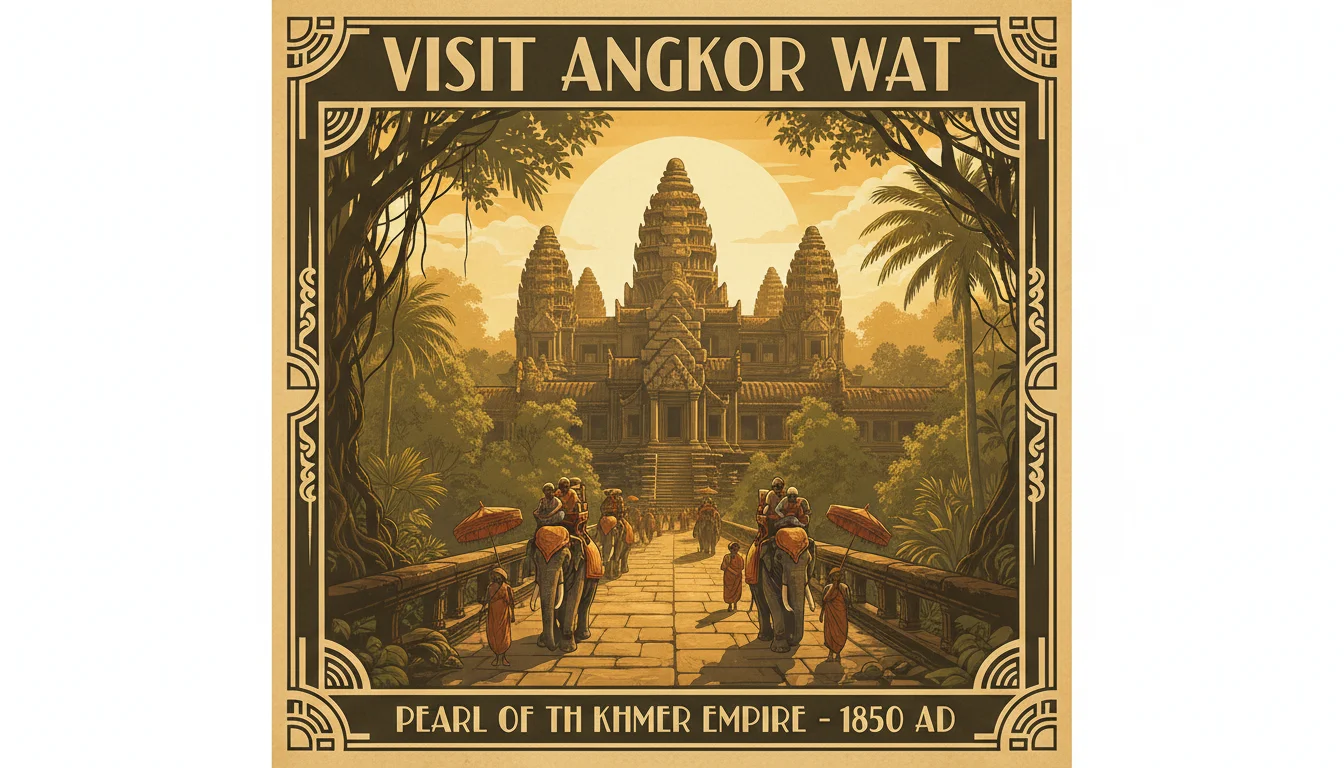
Welcome to Angkor, the sprawling megalopolis that makes your modern cities look like quaint villages. With an estimated one million inhabitants spread across nearly 400 square miles, you're stepping into what is arguably the largest urban center on Earth in 1150 AD. King Suryavarman II has just completed his masterpiece - Angkor Wat - and the empire is at its absolute zenith. Here's how to survive (and thrive) in this extraordinary civilization.
When to Visit
You've picked an excellent time. Suryavarman II still reigns, the empire is wealthy beyond imagination, and that magnificent temple complex is freshly finished. Arrive during the dry season (November to April) unless you fancy watching roads transform into rivers. The monsoon season turns Angkor into a vast lake system - impressive, but you'll spend most of your time stuck indoors listening to rain hammer thatched roofs.
The best festivals occur during the dry months, particularly the Water Festival in November when the Tonle Sap River reverses its flow. The entire city celebrates with boat races that would put Oxford vs Cambridge to shame.
What to Wear
Leave your synthetics at home. Cotton is king here, though silk marks you as someone of means. Men wear a sampot - essentially a length of cloth wrapped around the waist and pulled between the legs to create loose trousers. Women wear a longer version, often with a cloth draped over one shoulder. Going topless is normal for both sexes among commoners, so don't stare.
Footwear is minimal. The elite might wear sandals; everyone else goes barefoot. More importantly, remove any footwear before entering temples or noble homes. Seriously. This isn't optional.
Gold jewelry indicates status, but don't overdo it unless you want to attract both admiration and thieves. A simple gold bracelet says "respectable visitor." Dripping with ornaments says "please rob me in the market."
Getting Around
Angkor's road system is remarkable - wide, well-maintained causeways connect the major temples and population centers. The main east-west and north-south axes are essentially ancient highways. Walking is the primary transport for commoners, but you can hire ox-carts for longer journeys.
The truly wealthy travel by elephant or palanquin (a covered litter carried by servants). If you hear drums and conch shells, press yourself against the roadside immediately - royal processions have absolute right of way, and the king's elephants don't stop for tourists.
The baray (massive reservoirs) have boat traffic, and water transport is often faster than land routes during wet season. Small wooden craft can be hired cheaply from fishermen who supplement their income as water taxis.
What to Eat
Khmer cuisine will delight modern palates. Rice is the staple - eaten at every meal, with a quality and variety that's genuinely impressive. The fish from Tonle Sap lake forms the protein backbone: grilled, steamed, or fermented into prahok (fish paste) that flavors everything.
Markets sell tropical fruits you'll recognize - mangoes, bananas, coconuts, jackfruit - alongside vegetables like morning glory, eggplant, and various greens. The spice profile relies on galangal, lemongrass, turmeric, and black pepper. Chili peppers haven't arrived yet (thank the Columbian Exchange that won't happen for another 350 years), so expect aromatic rather than fiery food.
Street food is your safest bet. Look for vendors near temples and markets selling grilled fish, rice porridge, and fresh fruit. Avoid drinking unboiled water - stick to tea or the mildly alcoholic palm wine that's ubiquitous.
The elite feast on more elaborate preparations: whole roasted pig, curried meats, and Chinese-influenced dishes reflecting Angkor's position on the trade routes. If invited to a noble's home, eat with your right hand only and compliment the host's generosity repeatedly.
Cultural Dos and Don'ts
Do:
- Bow with hands pressed together (sampeah) when greeting anyone of higher status - the higher your hands, the more respect shown
- Remove footwear at temples and homes
- Give offerings at temples - flowers, incense, and food are appropriate
- Learn a few words of Khmer - even basic greetings earn goodwill
- Bathe daily - Khmer people are fastidiously clean and will judge you otherwise
Don't:
- Point your feet at Buddha images or monks - feet are spiritually unclean
- Touch anyone's head - it's the most sacred part of the body
- Criticize the king, ever, under any circumstances (seriously, this can end very badly)
- Enter temple inner sanctums without permission
- Assume women are powerless - Khmer society grants them substantial economic and social authority
Dangers and Annoyances
Crocodiles inhabit the lakes and waterways. Don't swim at dusk or dawn, don't dangle limbs off boats, and take local warnings seriously.
Malaria and dengue fever exist, though the locals have developed some immunity you lack. Use the herbal insect repellents available in markets and sleep under mosquito netting.
The justice system is swift and often brutal. Trials by ordeal are common - suspects might be forced to plunge their hands into boiling oil or walk through fire. Theft and assault against a commoner might result in fines; against nobility, you're looking at mutilation or death. Keep your nose clean.
Temple complexes attract pickpockets during festivals. The markets near Angkor Thom's south gate are particularly notorious.
Must-See Attractions
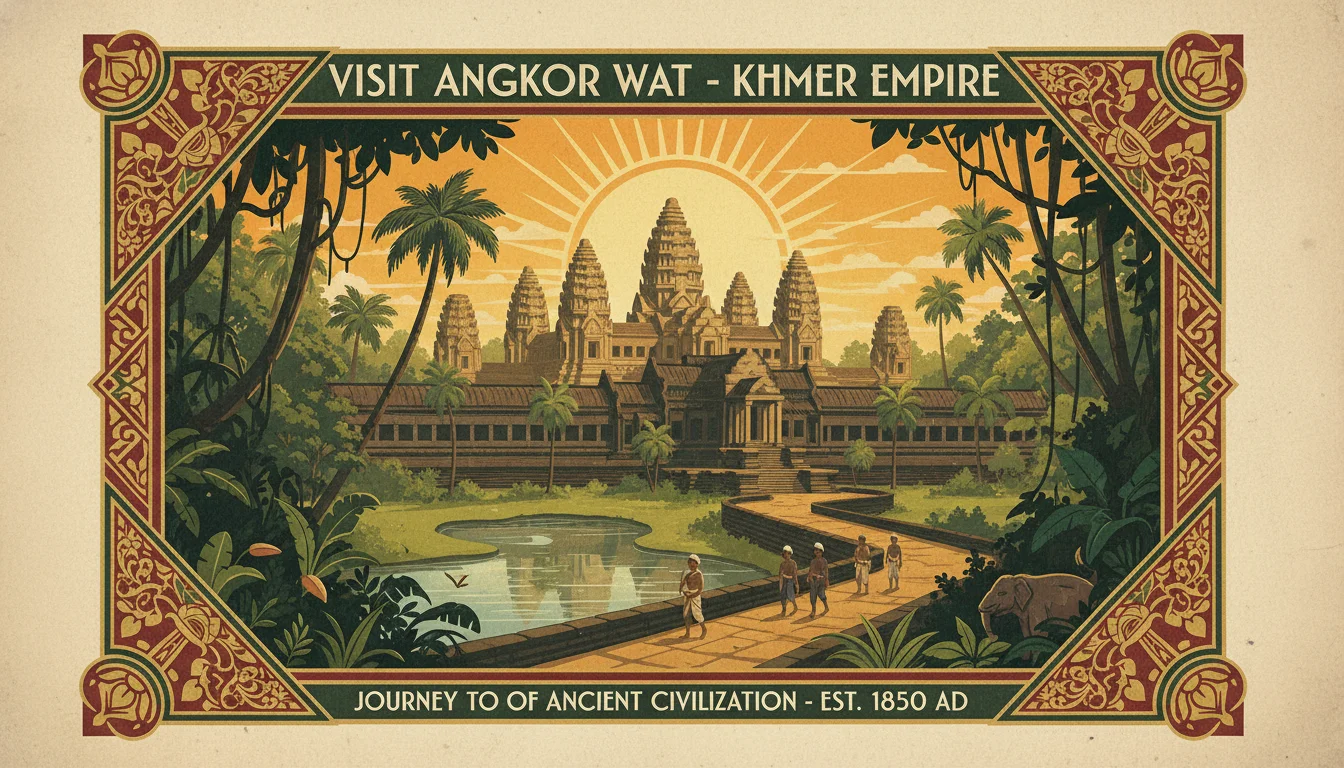
Angkor Wat - Obviously. The temple complex dedicated to Vishnu is the world's largest religious monument. Visit at dawn when the rising sun illuminates the central towers. The bas-reliefs depicting the Churning of the Ocean of Milk require hours to properly appreciate.
The Bayon - Located in Angkor Thom (which will be built later, but you might catch early construction). The face towers are still decades away under Jayavarman VII, but the site is already religiously significant.
Phnom Bakheng - The hill temple offers panoramic views of the entire Angkor region. Popular at sunset, and you'll understand why.
Tonle Sap Lake - The seasonal lake that feeds the empire. Visit a floating village to see how the fishing communities live.
The Markets - Angkor's commercial districts are sensory overloads. Chinese, Indian, Cham, and local merchants sell everything from silk to sandalwood.
Money Matters
There's no coinage in daily use. Trade happens through barter, with rice, cloth, and metal serving as currency equivalents. For larger transactions, gold and silver by weight are accepted. Chinese merchants often accept Chinese copper coins if you happen to have any.
Bargaining is expected, not optional. Start at half the asked price and work upward. Appearing too eager guarantees you'll overpay.
Final Tips
Learn the religious calendar - temples close to outsiders during certain ceremonies, and you don't want to accidentally interrupt a royal ritual.
The Khmer are generally welcoming to foreign traders and visitors, but they're also proud of their civilization (justifiably so). Express genuine admiration for their achievements and you'll find doors opening.
Finally, remember that you're visiting a hydraulic empire - one that masters water like no other. The reservoir system, the canals, the moats surrounding temples - this is environmental engineering on a scale Europe won't match for centuries. Take time to appreciate not just the spiritual magnificence but the practical genius that makes it all possible.
Safe travels, and may Vishnu protect your journey.
For other great Southeast Asian capitals of the medieval world, our guides to Bagan, 1100 AD and Mayan Tikal, 750 AD show how other hydraulic empires built comparable urban magnificence in the same era.

Need Advice from Someone Who Lived There?
Get firsthand accounts from people who actually lived through these moments in history.
Ask Them YourselfJoin the HistorIQly Club
Get smarter about the past.
Weekly stories, deep dives, and exclusive content straight to your inbox.