Time Traveler's Guide to Viking Scandinavia (900 AD)
Viking Scandinavia in 900 AD: a survival guide to longships, mead halls, and a society where hospitality was sacred and honor was everything.
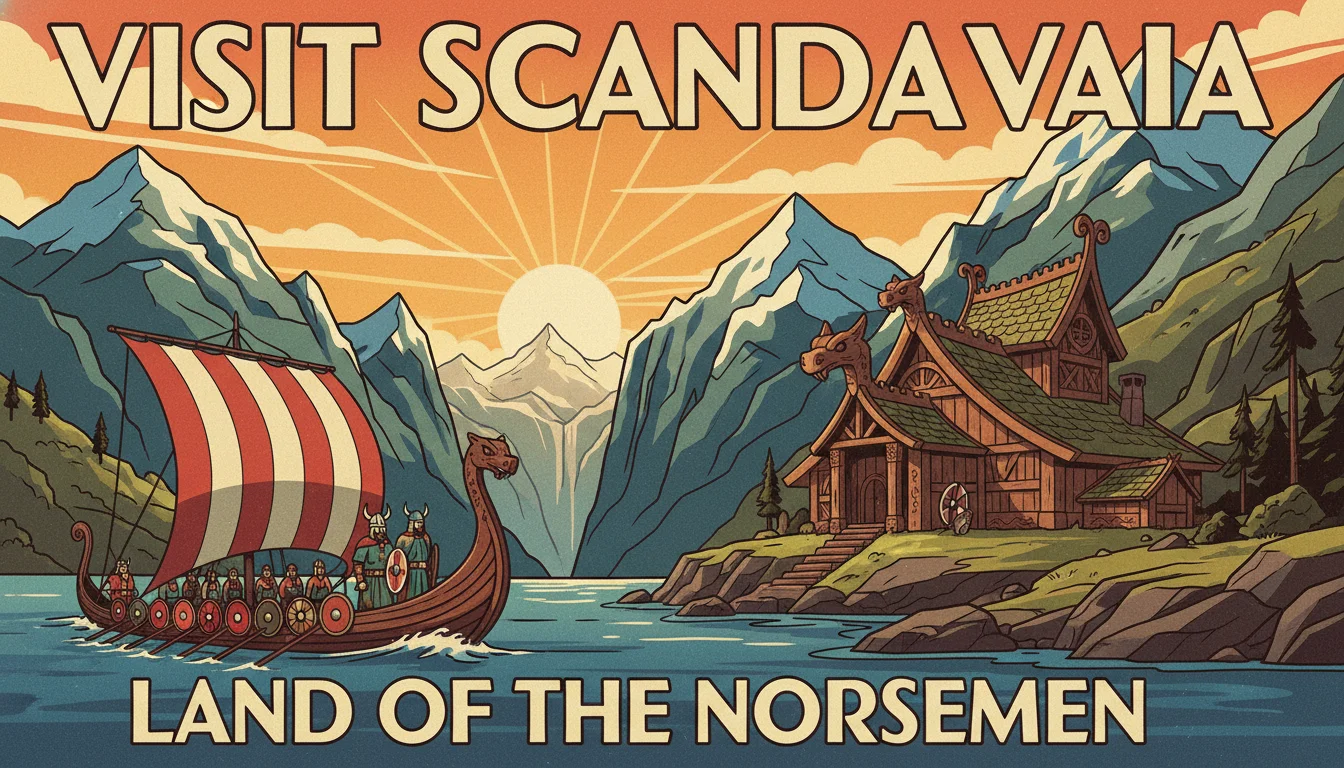
So you've decided to visit Viking Scandinavia. Bold choice. You'll be stepping into a world of legendary warriors, intricate social codes, and surprisingly sophisticated culture - assuming you survive the first few days. Here's everything you need to know.
When and Where Exactly?
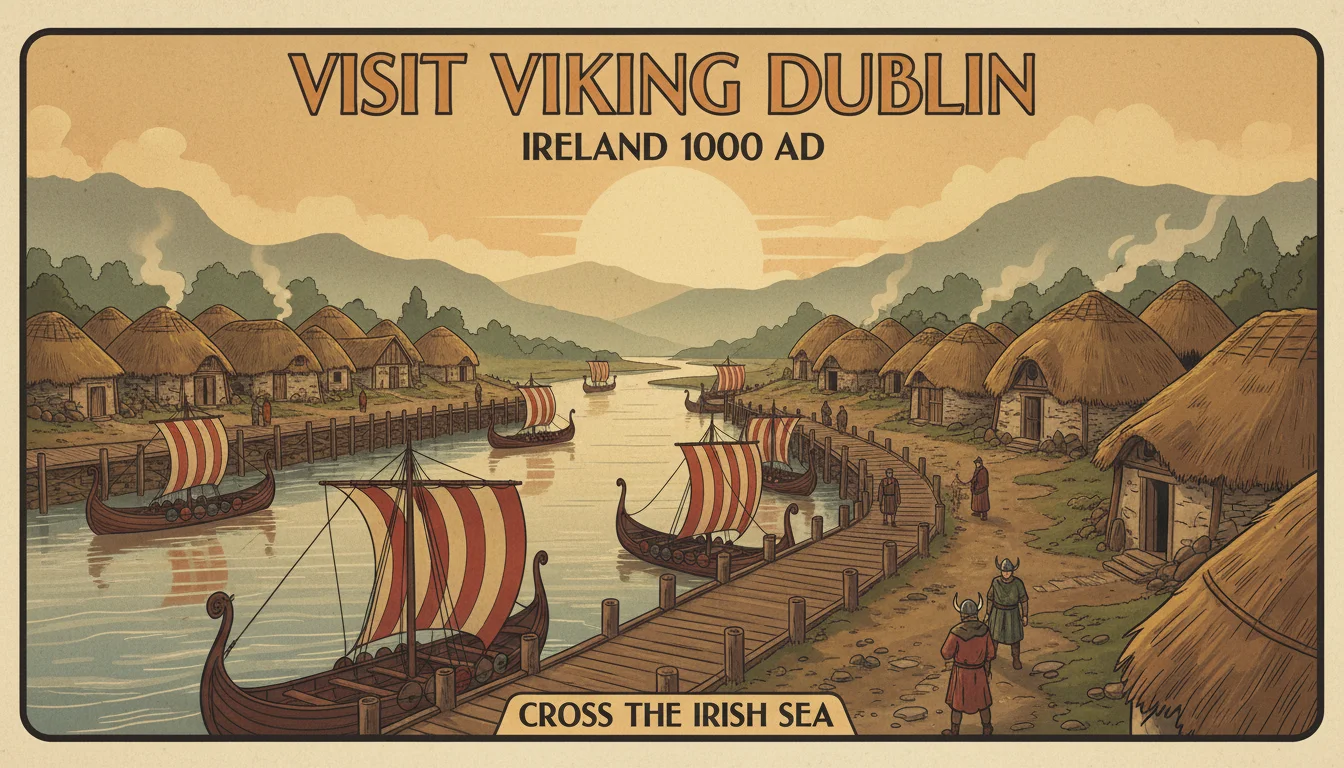
We're dropping you into around 900 AD, during the height of the Viking Age. The Norse world stretches across modern-day Norway, Sweden, and Denmark, with settlements reaching as far as Iceland, the British Isles, and even North America (though they won't talk much about that last one).
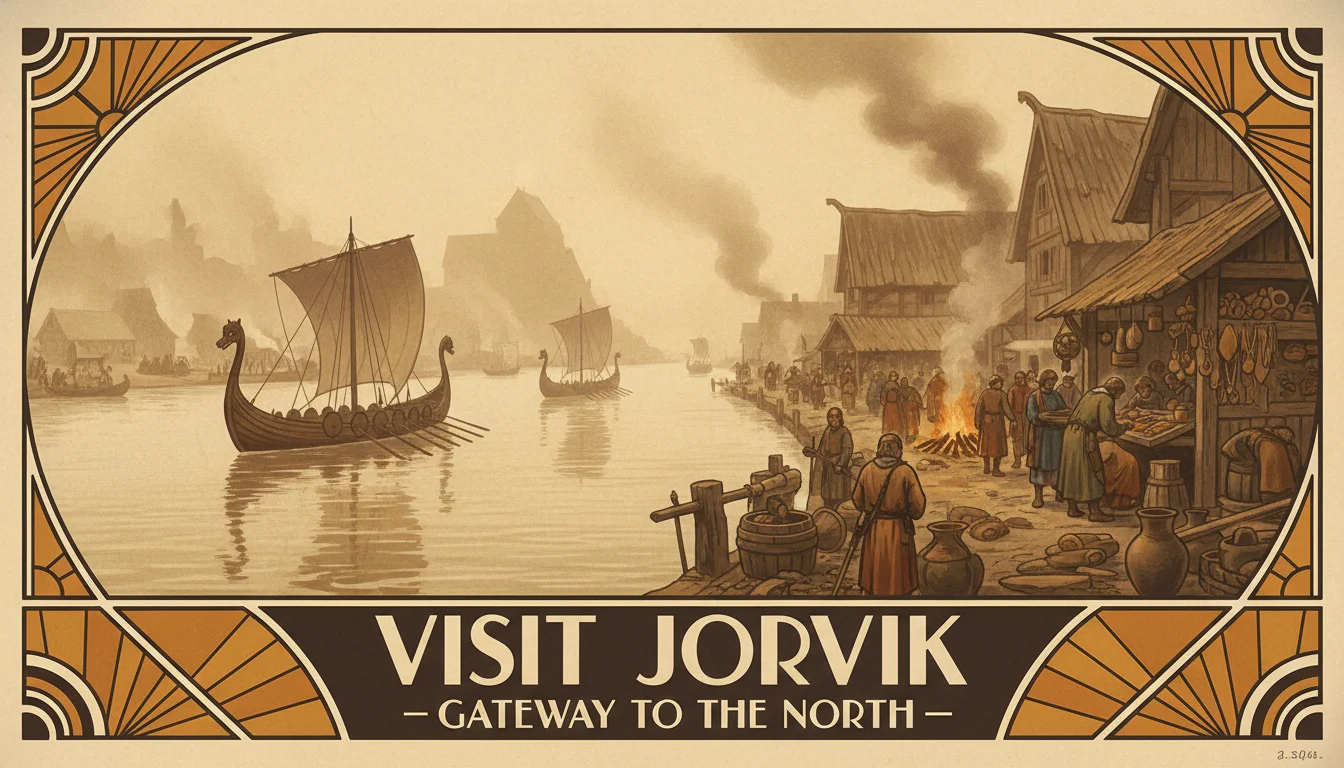
Your best bet for a relatively safe landing? The trading town of Birka in Sweden or Hedeby in Denmark. These are cosmopolitan hubs where foreigners are common and less likely to be immediately questioned. Showing up in some isolated fjord settlement? That's how you end up as a thrall - or worse.
What to Wear
First things first: ditch anything synthetic. If you show up in a North Face jacket, you'll either be burned as a sorcerer or stripped for your "magical" garments.
Men should wear:
- A knee-length wool tunic (called a kyrtill)
- Wool trousers, either loose or wrapped with leg bindings
- A leather belt with a knife - everyone carries a knife
- Leather shoes or boots
- A wool cloak fastened with a brooch at the shoulder
Women should wear:
- A long linen underdress (serk)
- A wool apron-dress (hangerok) held up by brooches
- A head covering if married
- Lots of beads between your brooches - it shows status
Pro tip: The brighter your colors, the wealthier you appear. Red and blue dyes are expensive. Wearing undyed brown wool screams "I'm poor, please ignore me."
The Language Barrier
Old Norse is your target language, but good news - it's the ancestor of modern Scandinavian languages, Icelandic, and even influenced English. You might recognize words.
Essential phrases:
- "Heill ok sæll" - Hello (to a man)
- "Heil ok sæl" - Hello (to a woman)
- "Skál!" - Cheers (you'll use this constantly)
- "Ek em gestir" - I am a guest/traveler
- "Hvat heitir þú?" - What is your name?
Speak slowly, gesture a lot, and claim to be from a distant land. Vikings traveled extensively - they'll believe you're from Miklagard (Constantinople) before they'll believe you're from the future.
Social Rules That Will Save Your Life
Hospitality is sacred. Once someone offers you food and shelter, you're under their protection. Harming a guest - or a host - is one of the worst crimes imaginable. Always accept offered food, even if it looks suspicious.
Honor is everything. Public insults can legally result in death. If someone mocks your courage, your family, or your appearance, you're expected to respond - with words or steel. Best strategy? Be humble, praise others, and avoid conflict.
Gift-giving binds people together. If a jarl (chieftain) gives you a ring or weapon, you now owe him loyalty. Don't accept valuable gifts unless you're prepared for the obligation.
Women have more rights than you'd expect. Norse women can own property, divorce their husbands, and run businesses. Don't make assumptions about who holds power in a household.
What to Eat (and What to Avoid)
The Norse diet is actually quite good, if you can handle preserved fish.
Safe bets:
- Bread (usually rye or barley)
- Porridge with honey
- Smoked or dried fish (stockfish is everywhere)
- Roasted meat at feasts
- Skyr (thick yogurt-like dairy)
- Mead, ale, and bjórr (a fermented drink)
Approach with caution:
- Hákarl - fermented shark. Yes, it's real. Yes, it smells like ammonia. It's an acquired taste, and by "acquired" I mean "most time travelers gag."
- Blood sausage
- Anything offered during a blót (religious sacrifice) - you'll need to participate to avoid suspicion
Never refuse a drink. Refusing mead from a host is deeply insulting. Pace yourself, but keep that horn raised.
Daily Life and Making Yourself Useful
Vikings respect useful people. If you can't fight, you better have skills.
Valuable trades:
- Metalworking (especially weapons and jewelry)
- Shipbuilding
- Medicine and herb knowledge
- Storytelling and poetry (skalds are highly respected)
- Trading goods and knowledge of foreign lands
Less impressive:
- Anything involving complex technology you can't explain
- Claiming to see the future (that's seidr magic - men who practice it are looked down upon)
Offer to help with daily tasks. Farm work, fishing, textile production - all respected. Standing around looking confused is not.
Religion and the Gods
The Norse worship a pantheon you probably know: Odin, Thor, Freya, Loki, and many others. Religious practice is woven into daily life.
Key things to know:
- Thor is the most popular among common folk - protector of humanity
- Odin is favored by warriors and poets seeking wisdom
- Small offerings (food, ale) at household shrines are normal
- Major sacrifices (blót) happen at seasonal festivals
- The Norns have already woven your fate - but your reputation (what people say about you after death) is up to you
Don't mock their beliefs. Even skeptical Vikings will defend their gods with axes.
Dangers to Avoid
Thralldom. Slaves (thralls) exist, and foreigners without protection can become them. Always travel with trade goods or useful skills. Being captured in a raid is the fast track to a very bad time.
Blood feuds. If you injure or kill someone, their family is legally entitled to compensation - or revenge. Feuds can last generations. Walk away from fights.
Sea voyages. Those beautiful longships? They're open to the elements. Atlantic crossings are genuinely life-threatening. Only join a voyage if you trust the captain.
Winter. Scandinavian winters are brutal. If you haven't secured indoor lodging by autumn, you're in serious trouble.
The Must-See Experiences
- A Thing assembly - Watch Viking democracy in action as free men debate laws and settle disputes
- A proper feast - Mead flowing, poetry recited, stories of raids and glory
- The harbors of Birka or Hedeby - See goods from Baghdad, Constantinople, and beyond
- A ship burial - If you're lucky (and a high-status person dies), you might witness one of history's most elaborate funeral rites
- The Northern Lights - No light pollution. Just you and the gods' light show.
Your Exit Strategy
When it's time to leave, do it cleanly. Thank your hosts with gifts if possible. Bad departures create enemies, and Vikings have long memories and longer ships.
Claim you're returning to your homeland. They'll understand - family ties matter deeply. Don't promise to return unless you mean it. A broken oath is worse than never making one.
The Viking Age is wild, dangerous, and absolutely unforgettable. Respect their customs, keep your wits about you, and you might just make it home with stories that would make a skald jealous.
If Viking Scandinavia has whetted your appetite for early medieval Europe, our guides to Norse Iceland in 1000 and Carolingian Aachen in 800 cover the neighboring world.
Skál, traveler. May the Allfather watch over your journey.

Need Advice from Someone Who Lived There?
Get firsthand accounts from people who actually lived through these moments in history.
Ask Them YourselfJoin the HistorIQly Club
Get smarter about the past.
Weekly stories, deep dives, and exclusive content straight to your inbox.