The Antwerp Diamond Heist: How the School of Turin Cracked an 'Impossible' Vault
In 2003 a gang pulled off the Antwerp diamond heist, cracking ten layers of vault security, then got caught over a discarded sandwich.
Read Wikipedia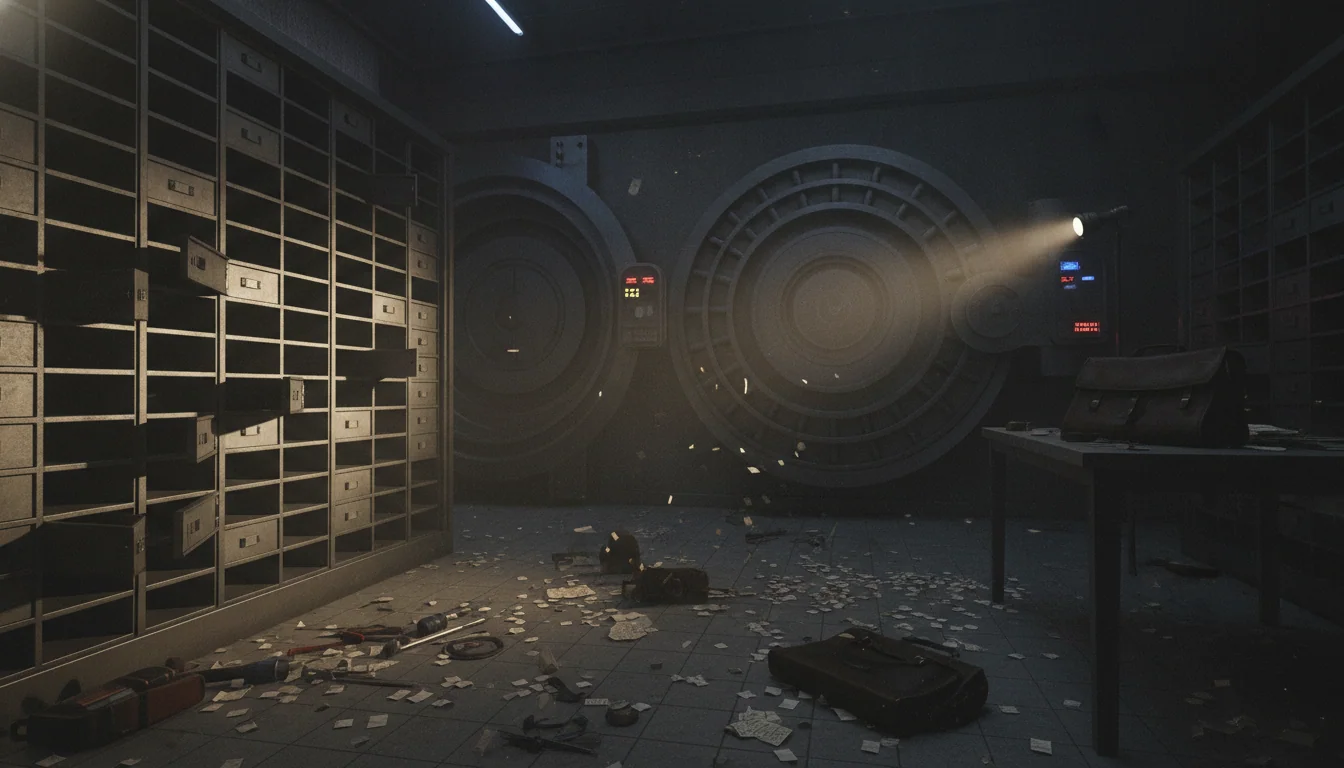
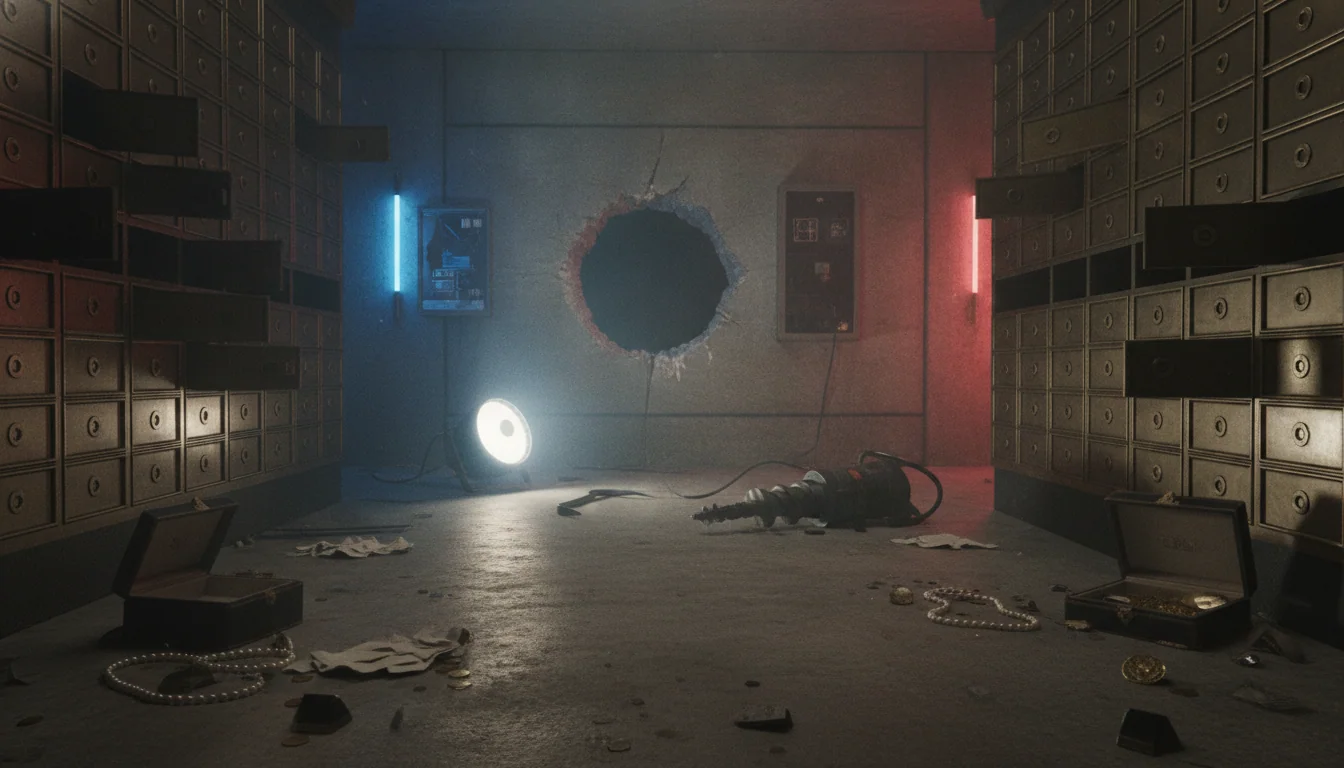
Sometime over the night of February 15 to 16, 2003, someone walked into the underground vault of the Antwerp World Diamond Center, got past a reported ten layers of security, and emptied out roughly 123 safe deposit boxes without tripping a single alarm. By the time diamond dealers arrived Monday morning to find shredded paper and empty boxes littering the vault floor, the thieves were already gone, and so, largely, was the loot. It remains one of the largest and most technically audacious heists ever documented, rivaling the notoriety of the Great Train Robbery, and it fell apart over a sandwich.
The mark
The Antwerp World Diamond Center sits in the city's Diamond District, a few blocks that reportedly handle a significant share of the world's rough and polished diamond trade. For more than a century the district had built a reputation as the safest place on earth to store and trade uncut stones, a reputation built as much on trust among dealers, many from tightly knit family firms, as on any physical security measure. Its vault, two floors beneath street level, held safe deposit boxes rented by dealers who used them to store stones, cash, and gold between transactions, often for weeks at a time while deals were negotiated upstairs in the district's exchange floors.
The vault's defenses were the pride of the building: a combination lock with a reported hundred million possible combinations, a magnetic field detector meant to catch anyone carrying metal tools, infrared heat sensors tuned to register body heat inside a supposedly empty vault, a seismic sensor to catch drilling vibrations transmitted through the concrete, and a light sensor calibrated to notice even a sliver of illumination from outside official hours. Guards and an insurance industry that had grown comfortable with the arrangement described the vault, publicly and often, as effectively unbeatable. Getting in was supposed to be close to impossible without triggering something, which is precisely what made the eventual robbery so unsettling to the trade once the details came out.
The crew and the plan
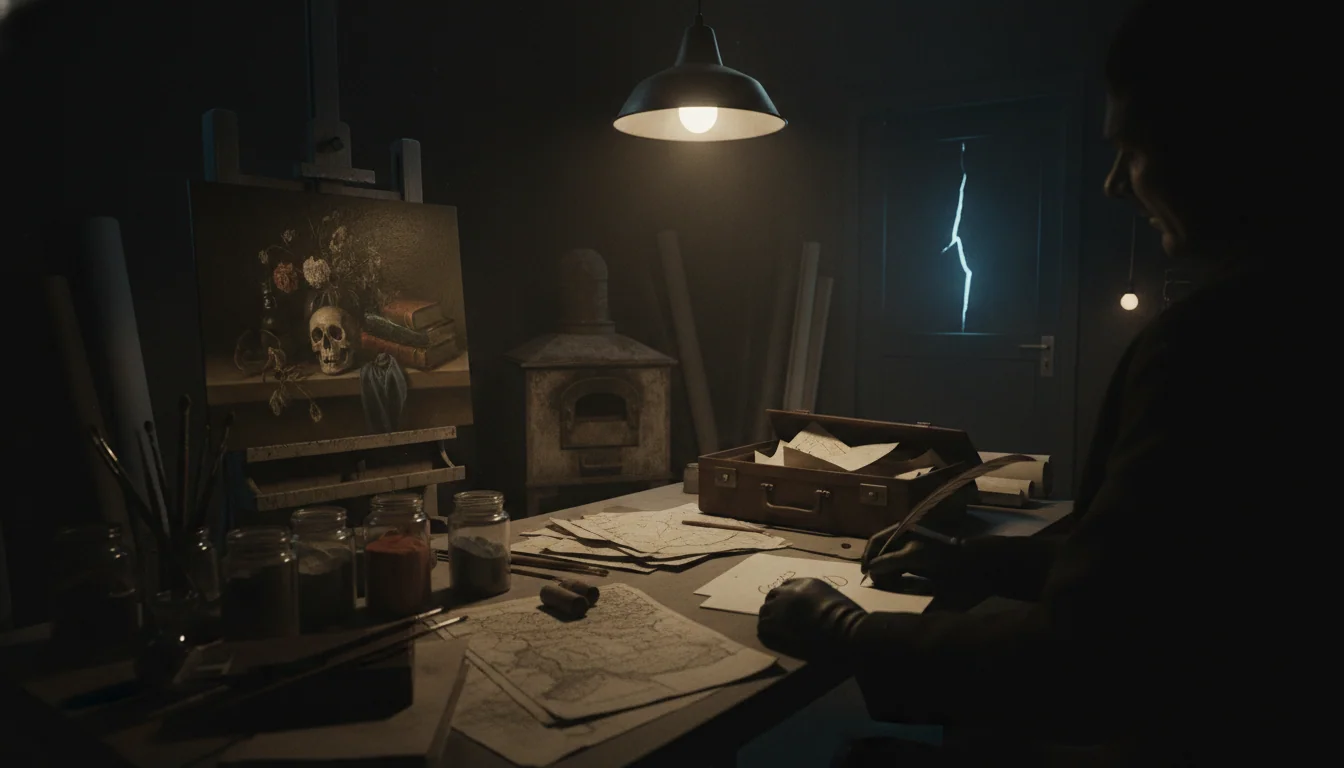
At the center of the operation was Leonardo Notarbartolo, an Italian who had rented office space inside the Diamond Center for roughly two years before the robbery under the cover of a legitimate diamond trading business. That tenancy gave him legitimate, repeated access to the building and time to study its rhythms: when guards changed, when the vault was checked, when the building emptied out for the weekend. Notarbartolo was reportedly part of a loosely organized network of Italian thieves that investigators and journalists later nicknamed the School of Turin, built around a core of men with backgrounds in safecracking and electronics rather than armed robbery. Among those named by prosecutors were Ferdinando Finotto, Elio D'Onorio, and Pietro Tavano; a fifth alleged participant, known to the others only by a nickname, was never conclusively identified.
The plan depended on defeating each layer of the vault's security individually rather than finding one master flaw. Reportedly the gang used foam to block the heat sensor, a hairspray-and-tape combination over the magnetic detector, and careful movement to avoid triggering the seismic sensor while working the combination lock itself, which they had studied for months using a small camera reportedly hidden inside the vault to record employees entering the code. Notarbartolo's office tenancy meant he could come and go from the building at hours that would have looked suspicious for anyone without a plausible reason to be there, and investigators later concluded that much of the technical preparation, testing which sensors could be fooled and how, took place gradually over many visits rather than in a single reconnaissance trip.
Reportedly the crew also disabled or bypassed the vault's electricity supply for a portion of the security systems during the break-in itself, a claim that featured heavily in later journalistic accounts of the case, though the precise sequence of which system was defeated first, and exactly how, was never fully laid out in open court, partly because prosecutors were reluctant to publish a functional blueprint for defeating a vault other institutions still used.
The job
Working overnight through the weekend, the crew got through the vault's outer defenses, opened dozens of safe deposit boxes with a mix of picking and force, and cleared out the contents into bags. They avoided the vault's main alarm system entirely, according to the later investigation, which meant that when a security guard did a routine after-hours check, nothing flagged as wrong. By the time diamond merchants arrived to open their boxes on Monday morning, the vault floor was covered in discarded paperwork, tools, and packaging, and the gang was already gone. Because so many box holders had reportedly declared their contents at less than full value to avoid taxes and insurance premiums, prosecutors and insurers never settled on one figure for the total haul; estimates ranged from tens of millions of dollars into the hundreds of millions in diamonds, gold, and cash.
The unravelling
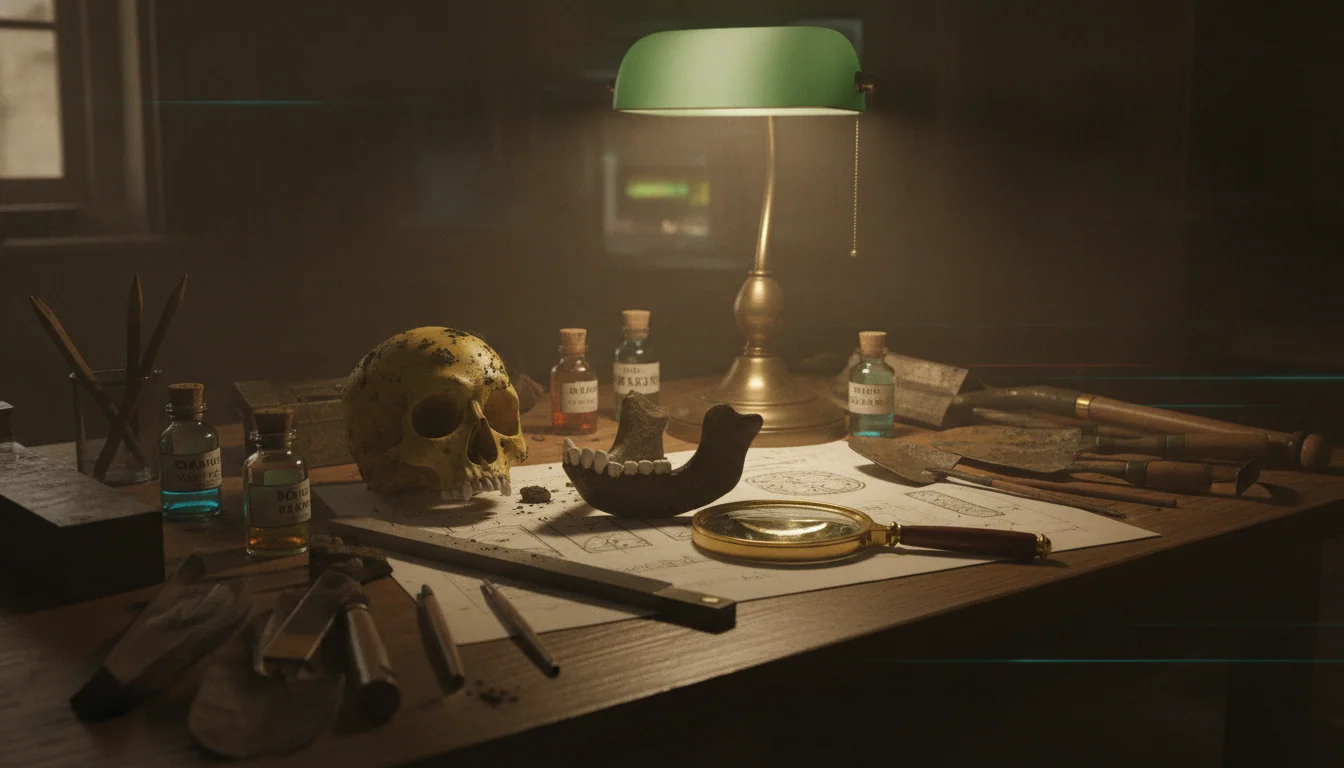
The break in the case came from what the gang left behind rather than what they took. Belgian police were pointed toward a patch of woods near the town of Lummen, roughly 45 minutes from Antwerp, where a bag of trash including video tape, papers, and food waste had reportedly been dumped along the road. Among the debris was a half-eaten salami sandwich and other food packaging that investigators were able to trace, through DNA and local retailer records, back to Notarbartolo, whose long-standing tenancy inside the Diamond Center had already made him a person of interest once his office was found abandoned.
Notarbartolo was arrested and eventually convicted, along with several associates, though not everyone believed to have taken part was caught. Most of the actual diamonds, gold, and cash were never recovered, having reportedly been broken up and moved through channels investigators could not fully trace. Notarbartolo has since given his own, disputed account of the affair in a memoir and interviews, in which he claims the robbery was in some sense set up by unnamed parties connected to the diamond trade's insurers, a claim prosecutors and most journalists who covered the case have treated with skepticism, since no evidence beyond his own telling has ever surfaced to support it.
Where are they now
Notarbartolo was sentenced to ten years and reportedly served around five before his release. Finotto and D'Onorio received reduced sentences after cooperating to some degree with investigators, while at least one alleged member of the crew was never identified or brought to trial at all. Whatever the true scale of the haul, the case remains formally unsolved in the sense that the diamonds, gold, and cash themselves were never traced.
The Diamond Center itself faced a reckoning of its own. Insurers who had underwritten the vault's security as effectively bulletproof were left negotiating claims from dealers whose declared losses varied wildly, some inflated for the payout, others reportedly understated for years beforehand to avoid tax exposure, a tangle that made the true scale of the theft almost impossible to pin down even after the case went to trial. The district's governing bodies also faced pointed questions about how a stranger with no long history in the diamond trade had been able to rent office space inside one of the most secure buildings in the city for two years without triggering closer scrutiny, a lapse that led to tightened vetting procedures for future tenants.
Why it still gets called the perfect heist
What sets the Antwerp diamond heist apart from most famous heists is the total absence of violence, hostages, or a getaway chase. It was a slow, patient defeat of engineering rather than a dramatic one, closer in spirit to a long con than a smash and grab, undone in the end by the kind of ordinary carelessness, a sandwich left in the wrong ditch, that has ended more perfect crimes than any alarm system ever has. Compared with the later Hatton Garden heist, which leaned on brute force and drills, the Antwerp job stands out for how much it relied on patience, study, and technical skill instead.
Quick Answers
Common questions about this topic
How much was stolen in the Antwerp Diamond Heist?
Insurers and prosecutors never agreed on an exact figure, since many of the roughly 123 vault boxes emptied belonged to dealers who under-reported contents to avoid tax and insurance premiums. Estimates at the time ranged from tens of millions of dollars to figures north of 100 million dollars in diamonds, gold, and cash.
Was the loot from the Antwerp Diamond Heist ever recovered?
Almost none of it. A bag of discarded evidence, including a half-eaten sandwich, was found dumped in woods near the town of Lummen days later, but the diamonds, gold, and cash themselves were never traced or recovered.
How was the gang caught?
Investigators traced a piece of garbage from the woods near Lummen back to a specific type of salami sold locally, then matched DNA on a discarded sandwich and a surveillance-camera sighting to Leonardo Notarbartolo, the gang's Antwerp-based front man, who had rented office space inside the Antwerp World Diamond Center for years.
Is anyone still in prison for the Antwerp Diamond Heist?
Notarbartolo served roughly five years of a ten-year sentence before his release. Several accomplices were convicted in absentia or received reduced sentences, and at least one alleged member of the crew was never conclusively identified or caught.

Question the Thieves
Chat with the detectives and masterminds behind history's boldest heists.
Create your free account →No card required. Some figures and features require a paid plan.
Join the HistorIQly Club
Get smarter about the past.
Weekly stories, deep dives, and exclusive content straight to your inbox.