Billy McFarland and the Fyre Festival Fraud
How a viral orange square, forged financial documents, and a cheese sandwich exposed the Fyre Festival fraud, a $26 million scheme behind the festival's collapse.
Read Wikipedia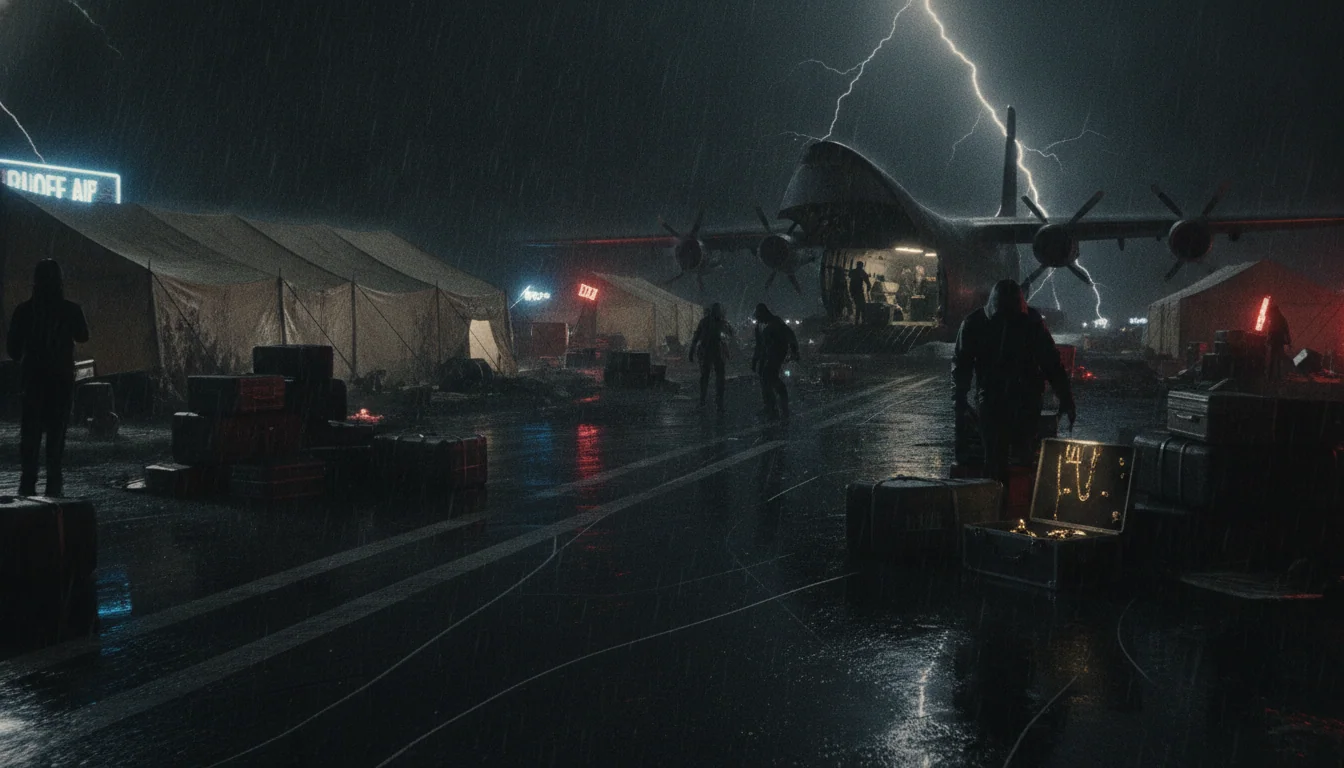
In the closing days of April 2017, several hundred people flew to a private island in the Bahamas for what a year of marketing had promised would be the cultural experience of a generation. Ticket packages had reportedly run from around $1,200 to more than $12,000, with the priciest artist-access passes said to reach six figures. What the arrivals got instead was a gravel lot dotted with disaster-relief tents, mattresses soaked through from an overnight storm, and dinner served in a styrofoam box: two slices of bread, a slice of cheese, and a small dressed salad.
Within hours, Fyre Festival, a party that supermodels and influencers had spent months hyping as unlike anything the world had seen, had become a punchline that has never really stopped being funny. The man behind it, William "Billy" McFarland, was in his mid-20s at the time, and it turned out the festival's collapse was the smallest part of what he had actually done. Behind the disaster tents sat the Fyre Festival fraud, a scheme that had already taken tens of millions of dollars from people who believed they were funding something real.
The mark
McFarland had a pattern before Fyre. A few years earlier he had founded Magnises, a members-only card and lifestyle club aimed at young, image-conscious New Yorkers, charging an annual fee for perks and event access that reportedly delivered less than advertised. Fyre grew out of a related idea: an app for booking musicians and celebrities for private events. To launch the app, McFarland and his business partner, the rapper Ja Rule, proposed staging a festival on a private Bahamian island as a marketing stunt.
Magnises itself is worth pausing on, because it previewed almost every trick Fyre would later use at a larger scale. Members paid an annual fee for a black metal card that, McFarland's marketing implied, unlocked velvet-rope access across New York nightlife. In practice, reporting after the fact described a company that leaned heavily on borrowed venues, borrowed goodwill from partner businesses, and a member list that grew faster than the perks it was meant to fund. None of that sank Magnises outright, and McFarland treated the lesson as proof of concept rather than a warning: hype could substitute for infrastructure, at least for a while, and a while was often long enough to raise the next round.
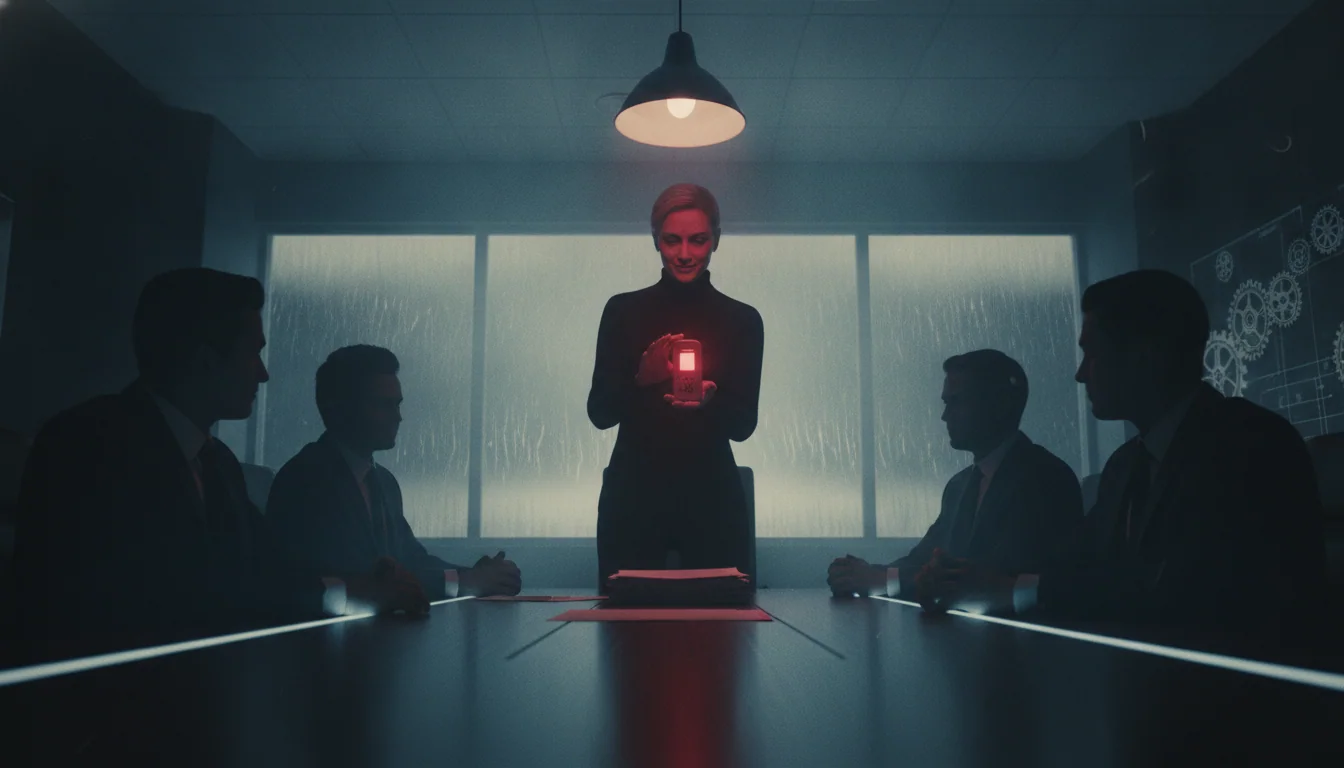
There were really two marks in the Fyre scheme. The first was a set of investors who put more than $26 million into Fyre Media, according to federal prosecutors, based on financial documents that were later described in court filings as forged and revenue projections that had been badly inflated. The second mark was the ticket-buying public, sold an event through a marketing campaign built almost entirely on borrowed trust: models and influencers implying a level of production and exclusivity that, at the time they posted about it, did not exist anywhere except in a slide deck.
The crew and the plan
The promotional machine was the cleverest part of the whole operation. A marketing agency built a viral teaser campaign around a single orange square, posted without explanation by supermodels including Bella Hadid, Emily Ratajkowski, and Kendall Jenner, who reportedly was paid more than $250,000 for one post. Curiosity did the rest. No one asked hard questions about caterers, generators, or plumbing, because nobody selling the fantasy was showing any of that.
The plan was to sell an idea faster than the idea had to become real: an airlifted island paradise, gourmet dining, luxury villas, and a lineup that included Blink-182, Migos, and Disclosure, all stacked on top of a site that, as the festival date approached, mostly did not exist. Part of the promotional shoot was reportedly filmed at Norman's Cay, an island with a documented history as a smuggling waypoint for Colombian cocaine traffickers decades earlier. The actual event was quietly moved to a different, far less developed site on Great Exuma near an existing resort, a change organizers never bothered to explain to the people who had already paid.
The job
Guests began arriving to find their luggage dumped in an unsorted pile on the tarmac and no organized transport waiting. Buses eventually took them to the site, where the promised luxury villas turned out to be surplus disaster-relief tents, several still half-erected, with mattresses already soaked from rain the night before. The headline acts were not there. Security was thin and confused. Medical support was minimal. When dinner finally arrived, it was the now-infamous cheese sandwich, photographed by attendee Trevor DeHaas and posted within the hour.
Panic and rumor spread faster than any actual information from organizers. By the following morning, with no functioning infrastructure and a storm still working against them, organizers cancelled the festival outright. Evacuating hundreds of stranded guests took longer than the festival itself had, with some attendees waiting a full extra day at the airport, still surrounded by luggage that had never made it anywhere.
None of this was really a surprise to the people building the site. Contractors and local laborers who worked in the weeks beforehand later described a production racing against a deadline it had no realistic chance of meeting, with electrical, water, and sanitation work still incomplete days before guests were due to land. Some workers said they went unpaid for their labor entirely, a detail that got far less attention than the sandwich but points at the same underlying problem: the festival had been sold as finished long before ground had even properly been broken.
The unravelling
The operational fraud exposed itself in real time. It did not take an investigation to know the villas were not villas, the sandwich was not dinner, and the festival had not happened as sold. That part of the story broke on social media before organizers had even confirmed the cancellation.
The financial fraud took considerably longer to unwind. Reporters and class-action lawyers began pulling at inconsistencies in what investors had been told, and attendees quickly filed civil suits seeking tens of millions of dollars in damages for the failed festival. By June 2017, federal prosecutors in the Southern District of New York charged McFarland with wire fraud connected to the forged documents used to raise money for Fyre Media. While out on bail awaiting trial, McFarland allegedly ran a second scheme, selling fake tickets to exclusive events, including the Met Gala and Burning Man, through an operation called NYC VIP Access. Prosecutors said it took in more than $100,000 from victims who believed they were buying real access. He pleaded guilty in 2018 to two counts of wire fraud covering both schemes, telling the court he understood the financial statements he had shown investors did not reflect the truth.
Where they are now
McFarland was sentenced in October 2018 to six years in federal prison and ordered to forfeit $26 million along with restitution to his victims. He served time at FCI Otisville in New York and was released in 2022, having served under four years of the sentence. Ja Rule was named in several civil lawsuits over the festival but was never criminally charged.
Most investors and ticket holders never recovered their money. The debt fell hardest on people who could least absorb it: a Bahamian restaurant owner named Maryann Rolle said she spent much of her personal savings feeding stranded staff and festival workers, money Fyre never repaid. After the story went viral again through documentaries, public donations reportedly covered many times what she had lost, though the repayment came from strangers on the internet, not from McFarland.
That afterlife is really the point. Fyre became one of the internet's most durable memes, endlessly recirculated on social media years after most of the original headlines faded, and then, improbably, doubled its own audience through two competing documentaries. In January 2019, Hulu's "Fyre Fraud," which had paid McFarland for an interview, and Netflix's "Fyre: The Greatest Party That Never Happened," made in part by the same marketing agency that had hyped the original festival, premiered within days of each other. Each film accused the other of compromised objectivity, one for paying its central subject and the other for putting its own hype machine in charge of telling the story. Rather than settling the record, having two rival cuts of the same disaster only guaranteed it would be argued over, clipped, and rewatched indefinitely.
The case has since become a stock example in marketing courses and business journalism of how influencer-driven hype can outrun due diligence entirely, and it remains a reference point whenever a splashy, celebrity-fronted launch turns out to be selling a fantasy the organizers have not actually built. It sits alongside other headline-grabbing frauds of the era, like Elizabeth Holmes and the Theranos fraud and Anna Sorokin's fake-heiress con, as a study in how confidently sold hype can outrun scrutiny. Since his release, McFarland has floated reviving Fyre Festival more than once, so far without another event actually taking place. If it ever does happen, the internet will be watching for the sandwich.
Quick Answers
Common questions about this topic
How much money did Billy McFarland actually steal?
Prosecutors said McFarland defrauded investors of more than $26 million through forged financial documents and inflated revenue projections for Fyre Media. While free on bail awaiting trial, he reportedly ran a second scheme selling fake event tickets that netted more than $100,000 from additional victims.
Was any of the money ever recovered?
Very little. McFarland was ordered to forfeit $26 million and pay restitution, but most investors and ticket holders never recovered their losses. Bahamian vendors who covered the festival's costs out of pocket were largely repaid only after public fundraising following the documentaries, not by McFarland himself.
How was Billy McFarland caught?
The operational fraud unraveled instantly and publicly through social media, most famously a photo of a cheese sandwich. The financial fraud took longer: reporters, lawyers, and federal investigators pieced together forged brokerage statements and fabricated numbers, leading to his 2017 indictment and a 2018 guilty plea covering both the investor fraud and the ticket scheme.
Is Billy McFarland still in prison?
No. He was sentenced in October 2018 to six years in federal prison and was released in 2022 after serving under four years. Since his release, he has floated reviving the festival more than once, without another event actually taking place.

Question the Thieves
Chat with the detectives and masterminds behind history's boldest heists.
Create your free account →No card required. Some figures and features require a paid plan.
Join the HistorIQly Club
Get smarter about the past.
Weekly stories, deep dives, and exclusive content straight to your inbox.