Time Traveler's Guide to Harlem Renaissance New York, 1925
Jazz, speakeasies, and the Harlem Renaissance: your practical survival guide to Black America's most electrifying neighborhood in 1925.
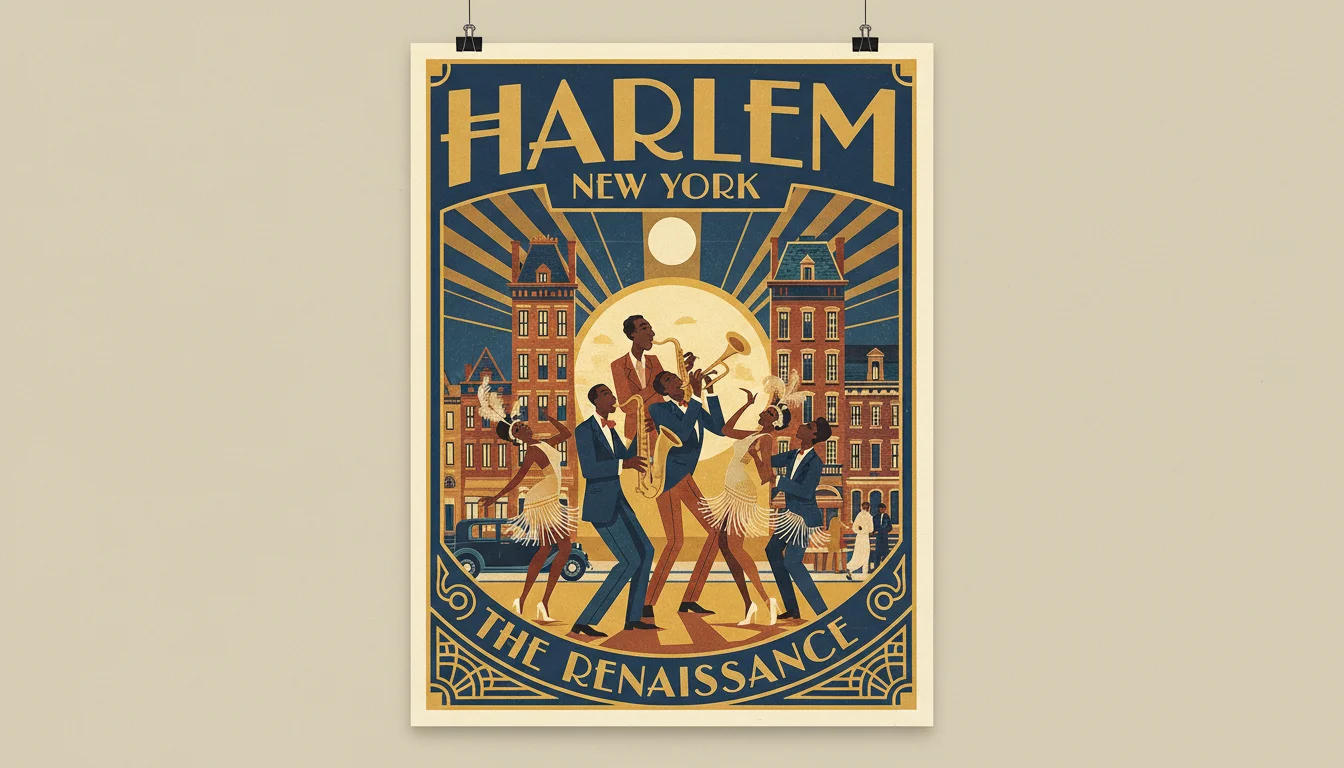
Welcome to Harlem, 1925 - the cultural capital of Black America and the most exciting neighborhood on the planet. Jazz fills the air, poets fill the cafés, and everybody's got something to say. Here's how to survive and thrive in the heart of the Harlem Renaissance.
What to Wear
Men: Three-piece suits are standard for anyone with self-respect. Get a well-tailored suit in dark wool, pressed shirt, tie, and a fedora or derby hat. Polish your shoes until you can see your reflection - scuffed shoes mark you as someone who doesn't care. For evenings at the jazz clubs, add a pocket square and maybe spats if you're feeling fancy.
Women: Drop-waist dresses, loose and flowing, ending just below the knee (scandalous by Victorian standards, but this is 1925). Cloche hats pulled low over bobbed hair. Long strands of beads. Silk stockings with seams up the back. T-strap heels for dancing. Pack a feather boa for the Cotton Club.
Everyone: Bring layers. Steam heat in buildings is inconsistent, and winter is brutal. A good wool coat is essential October through April.
What to Eat and Drink
Where to eat: Edna's Restaurant on 135th Street serves soul food that'll change your life - fried chicken, collard greens, candied yams, cornbread. The YMCA cafeteria on 135th is cheap and respectable. For a splurge, try the dining room at the Hotel Theresa, the "Waldorf of Harlem."
Street food: Roasted peanuts from vendors on 125th Street cost a nickel. Sweet potato pies from pushcarts. Fish sandwiches from hole-in-the-wall joints.
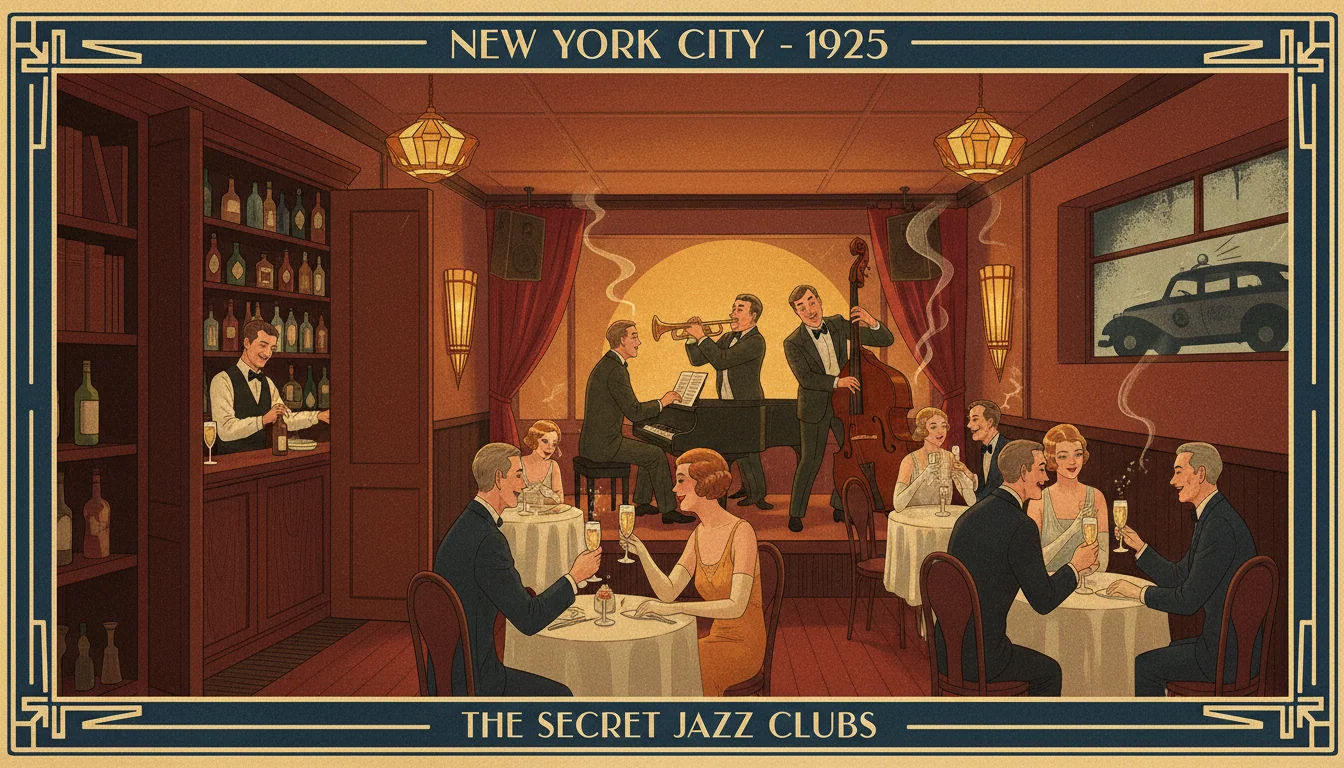
Prohibition problems: It's illegal to drink alcohol, but nobody in Harlem seems to have noticed. Speakeasies are everywhere - look for unmarked doors with peepholes. Password changes weekly. Ask a cab driver or hotel porter where to go. The Cotton Club serves bootleg gin disguised as "tea." Quality varies wildly - stick to beer or wine if you value your eyesight.
Coffee culture: The Dark Tower at 136th Street is where poets and intellectuals gather. Order coffee and prepare for hours of intense conversation about literature, politics, and the future of the race.
Where to Stay
Rent a room: Boarding houses along Lenox Avenue and Seventh Avenue rent rooms by the week. Expect to pay $5-8/week for a furnished room with shared bathroom. Many landlords require references.
Hotels: The Hotel Theresa (Seventh Avenue and 125th) is the finest Black-owned hotel in America. The Renaissance Casino and Ballroom on 138th rents rooms above the dance hall - cheap but noisy.
House-rent parties: If you're broke, look for "rent parties" - private apartment parties where the host charges admission (25 cents) and sells food/booze to make rent. Live music, dancing, fried chicken, bathtub gin. Flyers posted on lampposts tell you where to go.
Safety and Customs
Police: Harlem has its own precinct, but police harassment is common. Carry ID. Don't run. Keep your hands visible. If you're pulled over or questioned, stay calm and polite no matter what.
Racial dynamics: This is Jim Crow America. Midtown Manhattan has segregated restaurants, hotels, and theaters. Harlem is the exception - a Black neighborhood where Black people control businesses, culture, and social life. But venture below 110th Street and you'll hit the color line fast.
The Cotton Club contradiction: It's in Harlem, features the best Black entertainers in America (Duke Ellington, Cab Calloway, the Nicholas Brothers), but only serves white patrons. Black Harlemites can perform there but can't sit in the audience. Go to the Savoy Ballroom instead - integrated, better dancing, no racial humiliation required.
Street smarts: Don't flash cash. The numbers racket (illegal lottery) runs openly - street-corner runners everywhere. Stick to well-lit main streets after midnight. 125th Street is safe; side streets get dicey.
Language: "The man" = police. "Ofay" = white person. "Reefer" = marijuana. "Cat" = cool person, usually a musician. "Hincty" = snobbish, putting on airs. "Tight" = great, exciting.
Must-See Experiences
The Savoy Ballroom (Lenox between 140th-141st): Two blocks long, two bandstands, spring-loaded dance floor. This is where the Lindy Hop was invented. Admission 50 cents (men), 25 cents (women). Go Thursday night for the best dancers. Watch your feet - these dancers are serious.
Small's Paradise (Seventh Avenue & 135th): The basement club where waiters dance the Charleston while carrying trays. Live music till 6 AM. Integrated crowd. The house special is gin rickeys made with bathtub gin - sip slowly.
Abyssinian Baptist Church (138th Street): Hear Reverend Adam Clayton Powell Sr. preach on Sunday morning. Arrive early - seats fill up. Dress respectfully. The gospel choir will move you whether you're religious or not.
Harlem Public Library (135th Street): Where writers, intellectuals, and activists gather. Langston Hughes, Zora Neale Hurston, and Countee Cullen hang out here. Bring a book, look literary, maybe strike up a conversation.
Apollo Theater (125th Street): Still early in its history, but Amateur Night on Wednesdays is where stars are born. Brutal crowd - they'll boo you off stage if you're not good. Ella Fitzgerald will debut here in 1934.
Dangers to Avoid
Bad hooch: Bootleg liquor sometimes contains methanol (wood alcohol) that causes blindness or death. If your drink tastes like paint thinner, stop immediately. Stick to beer or wine from known sources.
Tuberculosis: Rampant in overcrowded tenements. If your boarding house has people coughing blood, leave. Sleep with windows cracked for fresh air, even in winter.
Street violence: The numbers racket and bootlegging attract organized crime. Gangsters like Stephanie St. Clair and Bumpy Johnson run protection rackets. Don't get involved in gambling debts.
Housing fires: Tenements are firetraps. Know your exits. Don't smoke in bed. If fire breaks out, get out immediately - buildings go up fast.
Police raids: Speakeasies get raided periodically. If cops burst in, don't run - it makes you look guilty. Pay the fine (usually $10-20), leave quietly. Resist arrest and you'll get beaten.
Money Matters
Budget: $25/week is comfortable. Room $6, meals $10, entertainment $5, transportation $2, miscellaneous $2.
Work: Domestic service, porter jobs, factory work available but poorly paid. Musicians can find gigs - piano players especially in demand for rent parties. Educated visitors might tutor students or clerk in shops.
Tipping: Tip generously (15-20%) - service workers depend on tips. Porters expect 25 cents per bag. Cab drivers 15%. Musicians appreciate tips between sets.
Best Times to Visit
Any Saturday night: When Harlem comes alive. Clubs packed, streets buzzing, energy electric.
February (Negro History Week): Celebration of Black achievement with lectures, exhibitions, performances.
June-August: Block parties, rooftop gatherings (to escape heat), outdoor concerts. Uncomfortable humidity but incredible nightlife.
Avoid: January-February are bitterly cold, and coal shortages mean unreliable heat.
Final Tips
Bring a camera: But ask permission before photographing people. Many resent white tourists treating Harlem like a zoo.
Learn to dance: The Charleston, Black Bottom, Lindy Hop. You'll have more fun if you can keep up.
Listen more than you talk: You're witnessing the birth of modern Black consciousness. Langston Hughes, Claude McKay, Countee Cullen, Zora Neale Hurston are creating art that will define generations. Pay attention.
Respect the moment: This isn't a theme park. These are real people building real culture in the face of real oppression. The Harlem Renaissance will inspire civil rights movements for the next century. You're witnessing history.
Get a shoe shine: Not just for clean shoes - shoeshine stands are information hubs. A good shine boy knows everything happening in Harlem.
Pack your dancing shoes, bring cash, and prepare for the most vibrant cultural moment in American history. Harlem 1925 isn't just a place - it's a feeling. The feeling that anything is possible, that Black excellence can't be contained, that the future is being written right now on these streets.
Welcome to the Renaissance. Try to keep up.
For another 1920s time-travel destination, our guide to the Roaring Twenties in Chicago covers the jazz age from a different angle. If European bohemia appeals, see our time traveler's guide to Weimar Berlin in 1929.

Need Advice from Someone Who Lived There?
Get firsthand accounts from people who actually lived through these moments in history.
Ask Them YourselfJoin the HistorIQly Club
Get smarter about the past.
Weekly stories, deep dives, and exclusive content straight to your inbox.