Hinterkaifeck Murders: Footprints in the Snow and a Killer in the Attic
The Hinterkaifeck murders: in 1922, a Bavarian family was slaughtered at their remote farmhouse, preceded by weeks of strange noises and unexplained footprints.
Read Wikipedia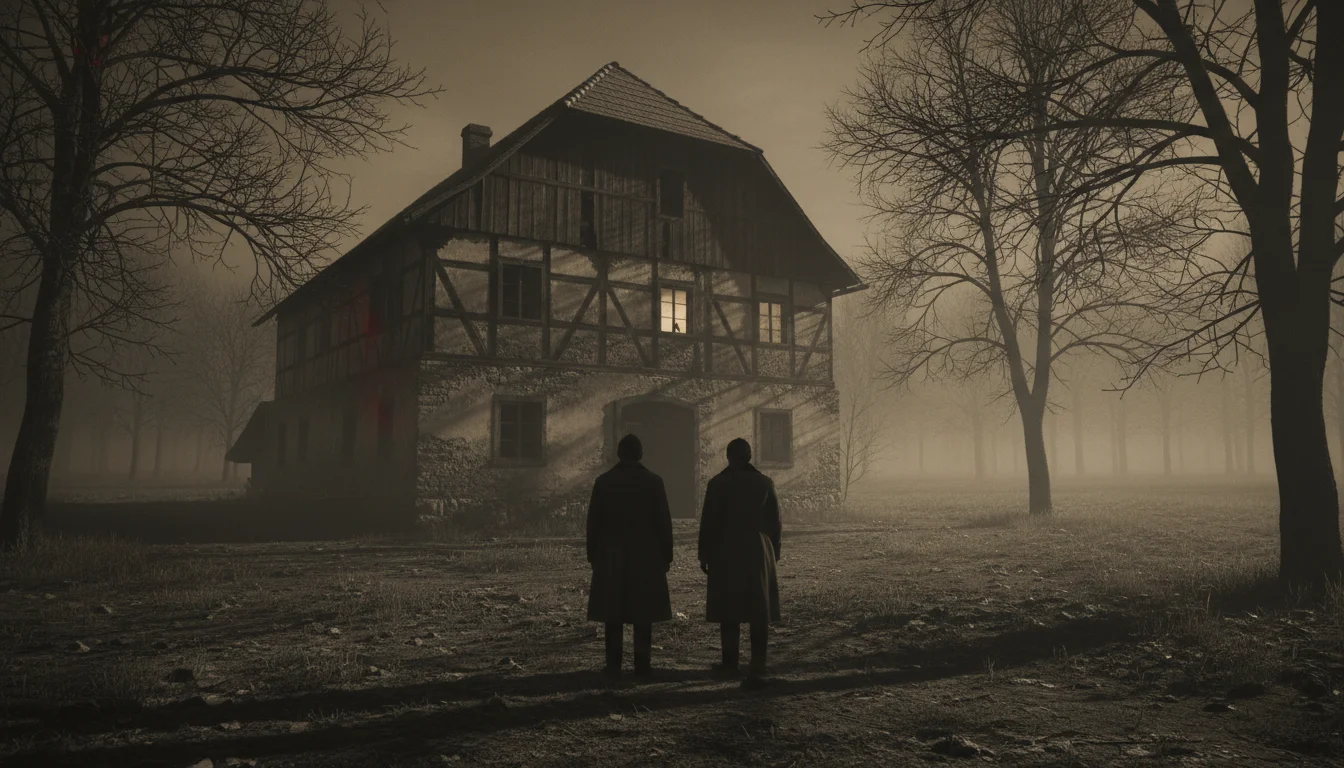
On March 31, 1922, someone walked onto the Hinterkaifeck farm in Bavaria and killed six people with a mattock. Four days later, their bodies were found stacked in the barn like firewood.
But the horror wasn't just the brutality. It was everything that happened before.
The Farm That Knew Something Was Wrong
Hinterkaifeck sat alone in the Bavarian countryside, about 70 kilometers north of Munich. Andreas Gruber, 63, lived there with his wife Cäzilia, their widowed daughter Viktoria, and Viktoria's two children - seven-year-old Cäzilia and two-year-old Josef.
They also had a maid. But she'd quit six months earlier.
Her reason? The house was haunted.
She'd heard footsteps in the attic. Voices when no one was there. She refused to stay another night.
Someone Was Watching
Six months later, in March 1922, Andreas noticed something strange.
Footprints in the snow. Leading from the forest to the farm. But none leading back.
Someone had walked to the house. But hadn't left.
He searched. Found nothing. Maybe an animal, he thought.
Then came the noises. Footsteps in the attic at night. The same sounds that had terrified the maid.
Andreas told his neighbors. They thought he was imagining things.
On March 30, he found a newspaper on his property - one he'd never ordered. It was from Munich. Someone had left it there.
The next day, March 31, the family disappeared.
Four Days of Silence
No one saw them. The children didn't go to school. The mailman noticed letters piling up. Neighbors saw smoke from the chimney - someone was still tending the fire.
But no one answered the door.
On April 4, neighbors forced their way in.
The bodies were in the barn. Andreas, Cäzilia, Viktoria, and little Cäzilia had been killed there - lured one by one, struck from behind with a mattock (a heavy farming tool, like a pickaxe).
The two-year-old Josef and the new maid, Maria Baumgartner (who'd only started that day), were found dead in their beds. Killed hours after the others.
The killer had stayed in the house. Fed the animals. Ate meals in the kitchen. Slept there. For days.
The Investigation That Led Nowhere
Over 100 people were questioned. The farm was examined for clues. But this was 1922 - no DNA, no forensics as we know them.
Police found:
- The murder weapon, washed and left in the barn
- No signs of forced entry
- Money still in the house (ruling out robbery)
- Evidence someone had lived there after the murders
The leading theory? Someone Viktoria knew.
Her husband had died in World War I - officially. But rumors swirled that he'd faked his death and returned. Others whispered about an affair. Some thought Andreas himself had been involved in something dark.
The investigation dragged on for years. Over 100 suspects. No arrests.
In 1923, the farm was torn down. The case went cold.
The Unsettling Details
What makes Hinterkaifeck so haunting isn't just the violence - it's the wrongness of everything around it.
The footprints in the snow. Someone had been watching the family for days, maybe weeks. Living in the forest. Walking to the house at night.
The noises in the attic. The maid heard them. Andreas heard them. They weren't imagining it. Someone was up there.
The killer stayed. After murdering six people, they didn't flee. They lit fires. Fed livestock. Made food. As if the house was theirs now.
The children. Little Josef was killed in his crib. He'd been crying - probably for hours after his family was murdered. The killer waited. Then silenced him.
Theories That Don't Quite Fit
Viktoria's husband. He was officially dead, but no body was ever confirmed. Could he have returned, found her with another man (Josef's father was unknown), and snapped? Maybe. But why kill the grandparents? Why stay?
A vagrant. The footprints, the attic noises - someone homeless, desperate, who saw the farm as shelter. But the murders were methodical, not panicked. And why not just rob them and leave?
Andreas himself. Some speculated he'd killed them all, then himself. But his body showed no signs of suicide. And someone kept the fires burning after his death.
An unknown enemy. Andreas had been involved in an incestuous relationship with his daughter Viktoria (Josef was rumored to be his son, not his grandson). That kind of secret could make enemies. But who? And why the theatrical cruelty?
None of the theories explain all the facts.
The Case Today
In 2007, students from the Fürstenfeldbruck Police Academy reopened the case as a training exercise. They re-examined old evidence, built a psychological profile, tracked down descendants.
Nothing definitive emerged.
The Hinterkaifeck murders remain unsolved. The farmhouse is gone. The graves are scattered. But the questions linger.
Who walked those footprints in the snow?
Who slept in that attic?
Who killed six people and then stayed to finish their dinner?
We'll probably never know.
But somewhere in Bavaria, in 1922, someone got away with one of the most chilling murders in German history.
And they took the secret to their grave.
For another unsolved European cold case with similarly disturbing details, the Atlas Vampire case from 1930s Stockholm remains equally mysterious. Finland's Lake Bodom murders offer a third chilling case where the killer was never conclusively identified.

Want to Interrogate the Suspects?
Chat with historical figures and uncover the truth behind history's greatest mysteries.
Create your free account →No card required. Some figures and features require a paid plan.
Join the HistorIQly Club
Get smarter about the past.
Weekly stories, deep dives, and exclusive content straight to your inbox.