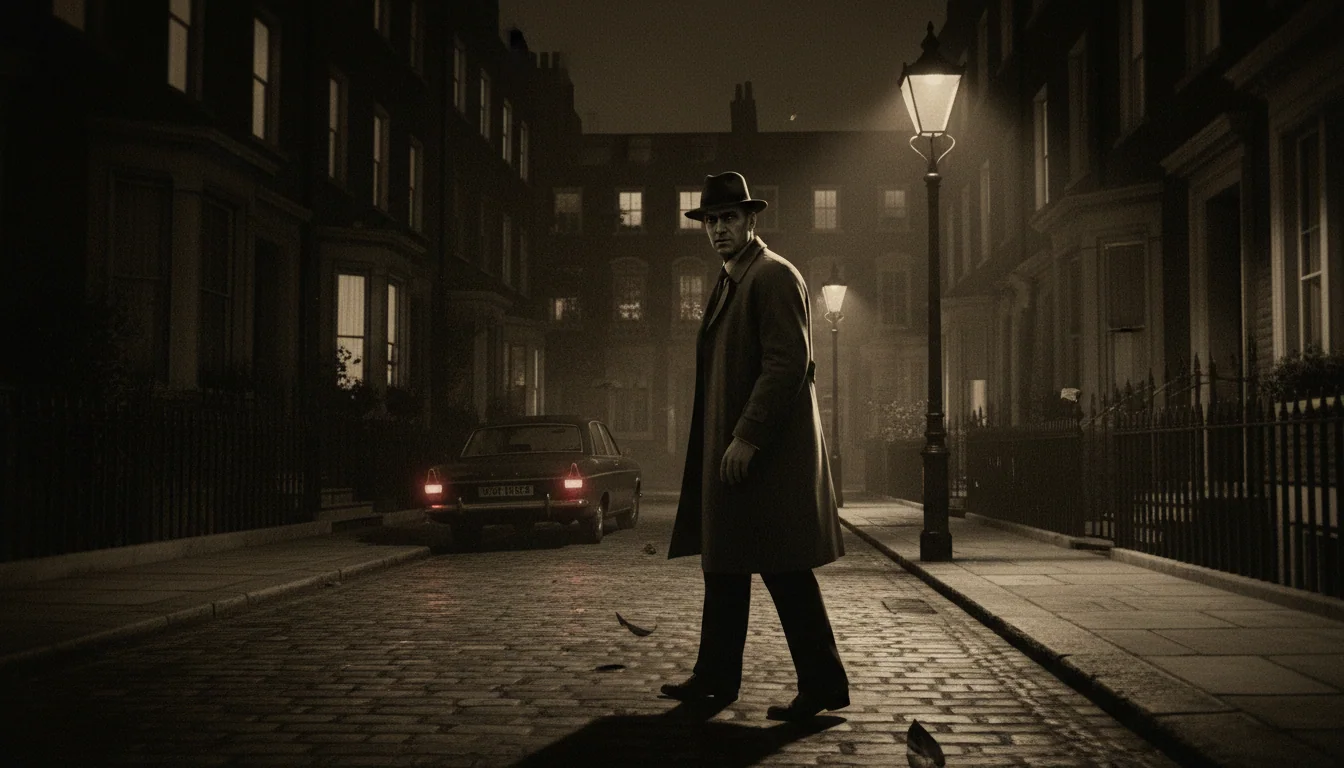
The Disappearance of Andrew Gosden: The Boy Who Vanished at Kings Cross
On September 14, 2007, a 14-year-old maths prodigy from Doncaster walked into Kings Cross station and was never seen again. No body, no suspect, no explanation.
Read Wikipedia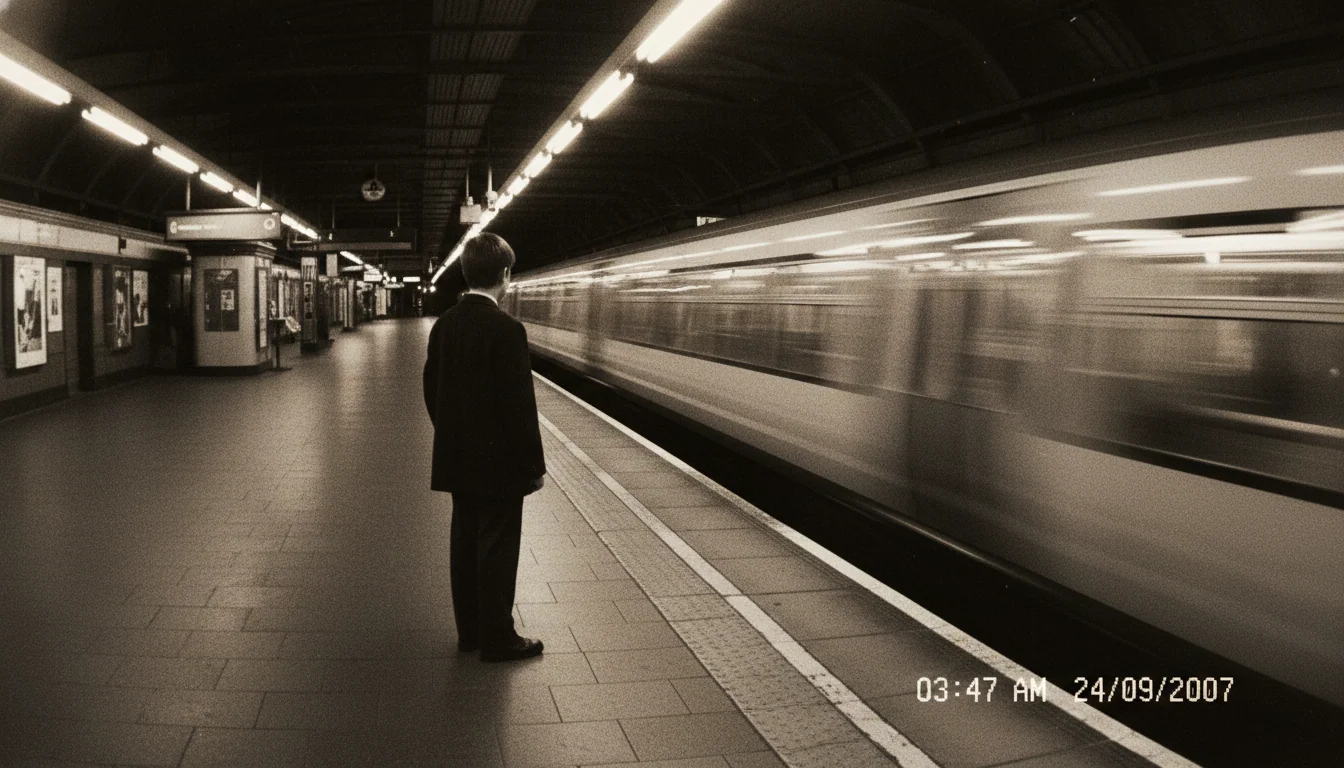
On the morning of September 14, 2007, a 14-year-old named Andrew Gosden left his family home in Doncaster, South Yorkshire, and got on a train to London. He had a single day's worth of cash. He had left his mobile phone at home. He did not tell anyone where he was going. When his parents realized he had not come home from school, they assumed the usual range of explanations. By the time those explanations ran out, Andrew had been gone for hours, and his trail ended at one of the busiest transport hubs in Britain.
He has not been seen since.
The morning everything looked normal
Andrew was a gifted student, described by teachers as academically exceptional, with a particular talent for mathematics. He attended school in Doncaster and by all accounts was quiet, thoughtful, and close to his family. There was no obvious history of running away, no known disputes that escalated to crisis point, no behavior in the days before September 14 that his parents later described as alarming.
He left the house on a Friday morning. His school, like many in England, had a rolling schedule, and his parents understood him to be attending normally. He was not. At some point during that morning, Andrew withdrew a sum widely reported to be around £200 from a cash machine. The money represented the bulk of his savings at the time. He left his mobile phone behind, a detail that has never been fully explained and that his parents have noted is out of character.
He then traveled to Sheffield and boarded a train for London Kings Cross. The journey takes roughly two hours on a direct service.
Kings Cross and nothing after
CCTV footage from Kings Cross station, reviewed in the days after Andrew was reported missing, confirmed his arrival in London on the afternoon of September 14. He was seen on camera at the station, appearing calm and unaccompanied. That footage is the last confirmed sighting of Andrew Gosden on any camera system.
This matters enormously. Kings Cross in 2007 was one of the most heavily surveilled public spaces in Britain. The station and the surrounding streets were covered by hundreds of cameras, both public and private. The Underground network connecting Kings Cross to the rest of London was similarly monitored. Whoever Andrew met or wherever he went after stepping off that platform, he did so without appearing on any camera that investigators have been able to find and identify.
The Metropolitan Police appealed for witnesses. Transport for London reviewed footage from the Underground. No further confirmed sighting has been made public. The cash he withdrew meant there was no credit card trail to follow. The phone he left at home meant there was no signal to triangulate. He walked out of the Kings Cross frame and into a city of eight million people with nothing behind him that could point forward.
The investigation
South Yorkshire Police took on the missing persons case in the immediate aftermath. The Metropolitan Police assisted, given that Andrew's trail ended on their territory. The investigation combed his school, his social circle, his online activity, and his reading habits for any clue about who he might have been meeting or what might have drawn him to London on a school day.
Nothing obvious emerged. Andrew had interests that were consistent with a bright, introverted teenager: music, television, and things his family described as typical enthusiasms for his age. No adult contact was identified who might have lured or coerced him. No evidence of grooming or exploitation was announced publicly by investigators at the time, though police have always been careful not to rule out any scenario.
A reconstruction appeal was broadcast on the BBC's Crimewatch program, which typically generates significant calls. The usual volume of tip lines, witnesses, and theories arrived. None produced a confirmed lead that moved the case forward publicly.
What the family has said
Kevin and Glenise Gosden have given years of interviews and maintained a consistent public campaign to keep Andrew's case in the press. They have spoken carefully and without embellishment. They do not know why he left. They do not know who, if anyone, he went to meet. They do not believe Andrew was unhappy at home. They want anyone with information to come forward.
In the years since 2007, the family has noted with some frustration the cycles of public attention and public forgetting that attend cold cases. Media interest tends to spike around anniversaries and then fall away. The family has worked with missing persons charities, particularly Missing People UK, to maintain Andrew's public profile and to reach audiences that might not have encountered his case before.
His parents have specifically noted that the £200 and the deliberate leaving of his phone suggest that Andrew had made a decision - that the departure was planned, at least in outline. The question of what he was planning for, and with whom, has never been answered.
The theories
In the absence of facts, theories multiply. The major possibilities divide roughly as follows.
Voluntary disappearance
The act of taking cash and leaving the phone suggests planning rather than impulse. A purely spontaneous decision to run away would not typically involve visiting a cashpoint first. This argues that Andrew intended to go somewhere specific - to meet someone, or to arrive somewhere he had already arranged. What he intended once he arrived remains unknown.
Meeting an adult contact
Online grooming of teenagers was not widely understood in 2007 in the way it has since become. The profile of an introverted, intellectually gifted teenager who did not confide his movements to family fits one pattern of exploitation: a relationship conducted almost entirely outside parental view, culminating in an arranged meeting. This theory has never been publicly confirmed by police, but investigators have explicitly not ruled it out.
Accident or suicide
It is possible that Andrew did not intend to disappear permanently and that something happened to him after he arrived in London that was neither arranged nor expected. No remains have been found. London's river, railway lines, and dense infrastructure have concealed remains before. The absence of a body is not unusual in cases of this kind; it is agonizing for families and frustrating for investigators, but it does not resolve the question of what happened.
Surviving somewhere, under another identity
This is the theory families hold onto and the one investigators pursue the least after a certain number of years. Andrew would now be in his early thirties. It is possible, in a purely logistical sense, that he is alive and has chosen not to return. His parents have said they simply want to know he is safe. The investigation remains open for this reason.
The shape of the gap
What distinguishes the Andrew Gosden case from the broad category of missing teenager cases is the combination of circumstances. He was not previously known to run away. He was not from a difficult home situation that investigators identified as a push factor. He took significant but not lavish money. He left his phone. He traveled directly to one of the largest cities in the world and vanished from its most surveilled station.
The case is not sensational in the way of some missing persons investigations. There is no dramatic crime scene, no volatile suspect, no blood evidence pointing in an uncomfortable direction. There is a boy on a CCTV camera at a train station, and then there is nothing. That simplicity is what makes it so difficult to close.
The National Crime Agency continues to list Andrew Gosden as a missing person. South Yorkshire Police continue to state that they welcome any information. His family continues to ask.
The cash machine receipt from September 14, 2007 remains the last paper trace he left. After that, nineteen years of investigations, appeals, and anniversaries have found nothing that explains what Andrew Gosden was going to find at Kings Cross, or what found him instead.
For another disappearance where CCTV is the last confirmed sighting and the trail ends at a public space, see Brian Shaffer's disappearance in Columbus, Ohio. For a case where a teenager also left with cash and no explanation, see the disappearance of Brianna Maitland.
Quick Answers
Common questions about this topic
When and where did Andrew Gosden disappear?
Andrew Gosden disappeared on September 14, 2007. He left his home in Doncaster, South Yorkshire on what appeared to be a normal school morning, traveled alone by train to London, and was captured on CCTV cameras at Kings Cross station that afternoon. He was 14 years old. He has not been seen since.
Did Andrew Gosden leave any clues about where he was going?
The only concrete action Andrew took that day was withdrawing around £200 in cash from his bank account before boarding the train. He left his mobile phone at home. He did not tell any family member or friend where he was going, or why. No note was found. Nothing in his room or his communications provided a clear destination or motive.
Has anyone been charged in connection with Andrew Gosden's disappearance?
No. The investigation has never produced a suspect or led to any arrest. South Yorkshire Police and the Metropolitan Police have both examined the case multiple times. Andrew's family have kept the campaign alive for nearly two decades, but no criminal charges have been brought.
Is Andrew Gosden still considered a missing person?
Yes. Andrew Gosden remains a missing person on the UK National Crime Agency's records. His parents, Kevin and Glenise Gosden, have continued their public campaign for information. No remains have been found and no death has been formally registered. He would be in his early thirties today.

Want to Interrogate the Suspects?
Chat with historical figures and uncover the truth behind history's greatest mysteries.
Create your free account →No card required. Talk to anyone in history with 8 free credits a day. Some features require a paid plan.
Join the HistorIQly Club
Get smarter about the past.
Weekly stories, deep dives, and exclusive content straight to your inbox.