Catherine Howard: The Teenage Queen Henry VIII Executed
Henry VIII's fifth wife was barely a teenager when scandal caught her. Six the Musical made her famous again - here is what the record shows.
Read Wikipedia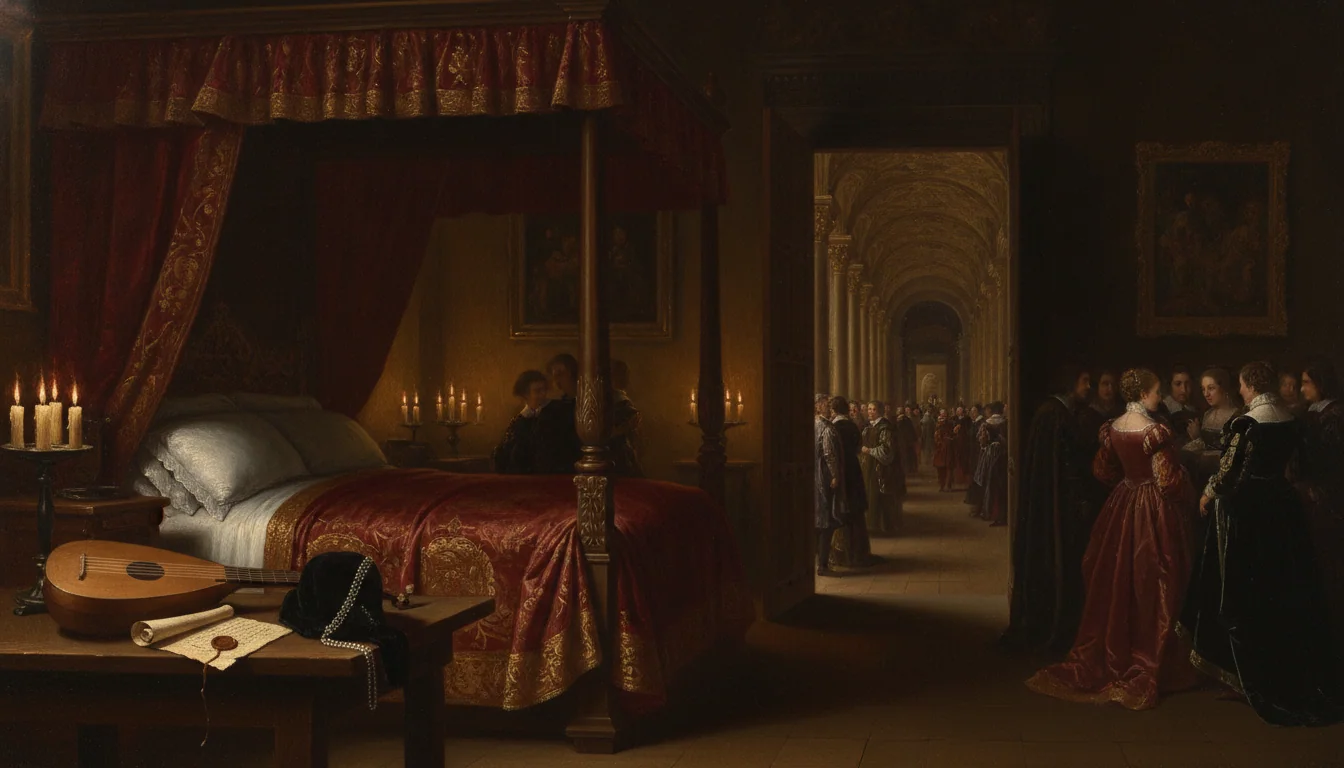
On All Souls' Day in 1541, Archbishop Thomas Cranmer waited until Henry VIII had gone to chapel, then left a folded letter on the king's cushion rather than deliver the news to his face. Cranmer apparently did not trust himself, or the king's famous temper, to survive saying the words out loud. The letter accused Queen Catherine Howard, still a teenager by most estimates, of a sexual history that predated her marriage and, far more dangerously, of conduct since the wedding that looked very much like adultery.
Centuries later, Catherine Howard has become one of the most searched of Henry's six wives, largely thanks to Six the Musical, which reimagines her as a girl exploited by every man who claimed to love her. The musical takes liberties, as musicals do. The court record, once separated from the legend that has grown up around Hampton Court's so-called Haunted Gallery, is grim enough on its own.
The court she entered
Catherine Howard was born sometime in the early 1520s. Even historians who specialize in the Tudor court cannot agree on the exact year, which means nobody can say with real certainty whether she was sixteen, seventeen, or closer to twenty when she married a king in his late forties. What is documented is that she came from a genteel but cash-poor branch of the powerful Howard family, and that she was raised with very little supervision in the crowded household of her step-grandmother, the Dowager Duchess of Norfolk.
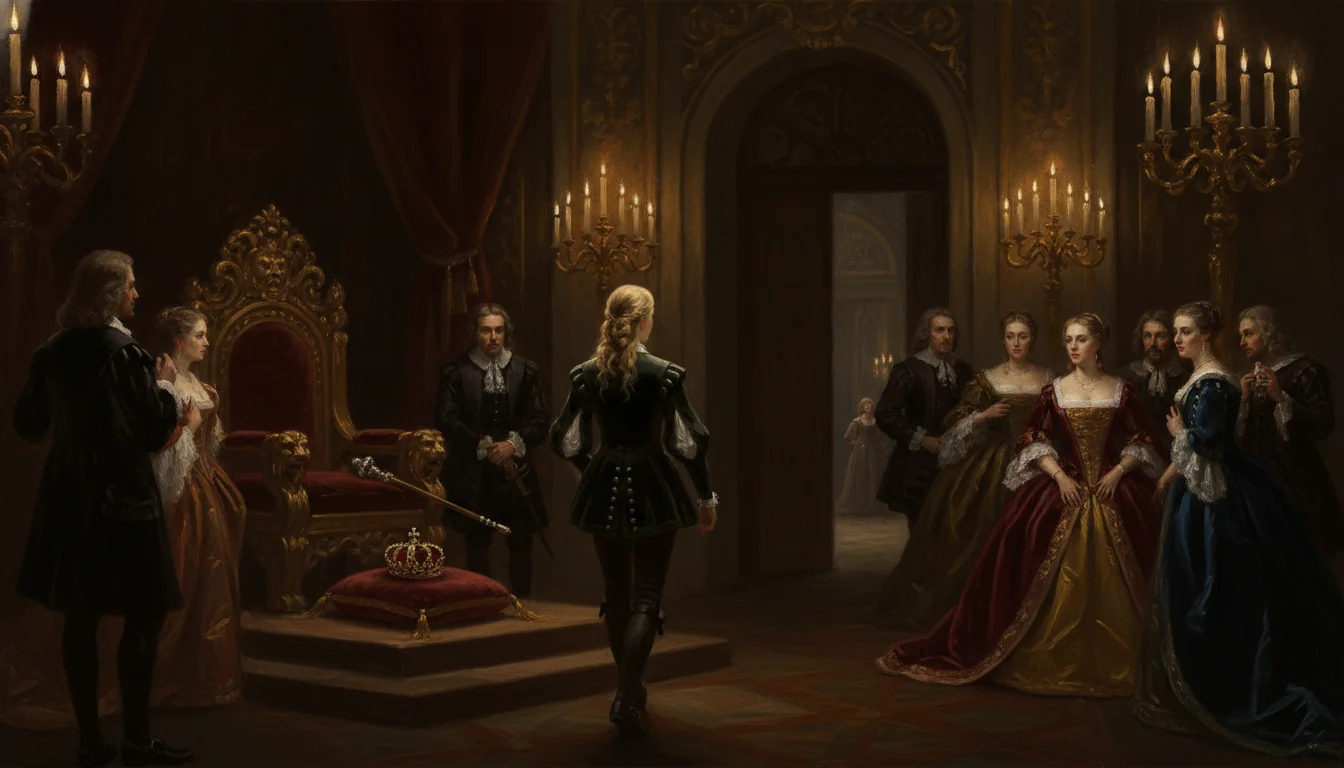
She arrived at court in 1539 as a maid of honor to Henry's new queen, Anne of Cleves, a marriage the king found unbearable almost from the start. That marriage was annulled in July 1540. Weeks later, on the very day that Thomas Cromwell, the minister who had arranged it, was executed for treason, Henry married Catherine Howard that same afternoon. The timing was no accident. Cromwell's rivals at court, led by Catherine's uncle Thomas Howard, the Duke of Norfolk, had spent months maneuvering a pretty young Howard niece in front of the king, the same play that had once put Anne Boleyn, another Norfolk niece, on the throne.
The players
Henry was no longer the athletic prince of his youth. He was overweight, in constant pain from an ulcerated leg, and had just endured a marriage he found humiliating. Catherine, young and lively, delighted him. He showered her with jewels and land and called her his "rose without a thorn," seemingly unaware of how loaded that phrase would sound in hindsight.
Behind Catherine stood a crowded cast from her unsupervised adolescence. Henry Manox, a music teacher in the Dowager Duchess's household, had touched her inappropriately when she was a young teenager, stopping short of intercourse by his own later account. Francis Dereham, a young gentleman in the same household, went further. He and Catherine shared a bed in the maidens' dormitory and reportedly called each other husband and wife, language that under church law could have amounted to a binding pre-contract of marriage.
Once queen, Catherine kept dangerous company. Thomas Culpeper, a gentleman of Henry's privy chamber and a royal favorite, began meeting her in secret during 1541, arranged according to later testimony by Jane, Lady Rochford, the widow of the executed George Boleyn and now one of Catherine's own ladies-in-waiting. Dereham himself resurfaced too, hired into the queen's household as a secretary, an appointment that in retrospect looks reckless bordering on suicidal.
The scandal
The affair, if that is the right word for it, unraveled because of a reform-minded courtier named John Lascelles, whose sister had served in the Dowager Duchess's household and knew about Catherine's premarital conduct with Manox and Dereham. Lascelles took the story to Cranmer in early November 1541, likely hoping to damage the conservative Howard faction that had backed Catherine's rise to the throne.
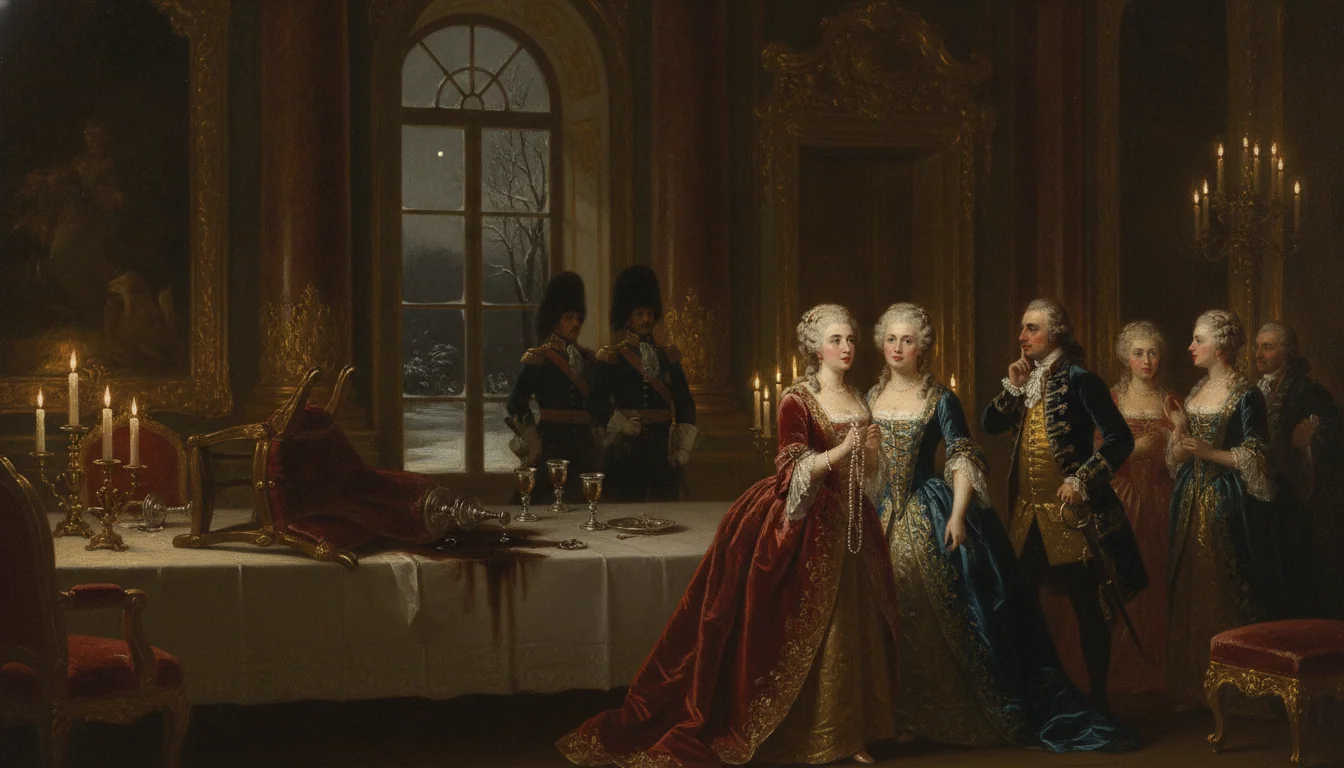
Cranmer's investigation moved fast and quietly. Manox and Dereham were questioned and admitted to their earlier relationships with Catherine. Dereham, under pressure, added a detail that turned a scandal about the queen's past into a treason case about her present: he named Thomas Culpeper as the man who had, in his words, succeeded him in the queen's affections since her marriage. A letter survives in the archives today, written in Catherine's own hand to Culpeper and closing with the line "yours as long as life endures." It remains the single most damning piece of physical evidence in the entire case, and it is genuine, not something invented by prosecutors or later scandal-mongers.
The gossip vs the record
Separating the documented case from the legend matters here more than almost anywhere else in Tudor history, because Catherine Howard has accumulated ghost stories the way other queens accumulate portraits.
The famous tale of Catherine breaking free from her guards at Hampton Court and sprinting down what is now called the Haunted Gallery, screaming for a king who refused to see her, appears in no contemporary letter or ambassador's dispatch. It surfaces only in much later retellings and has become a fixture of Hampton Court's ghost-tour folklore. It may be true. It may not be. There is simply no period document confirming it, so it belongs in the legend column, not the record column.
By contrast, the report that Catherine asked for the executioner's block to be brought to her room the night before her death, so she could practice kneeling and placing her head correctly, comes from a genuinely contemporary source: a dispatch from Eustace Chapuys, the Imperial ambassador, whose network of informants inside the English court was extensive. That does not make it eyewitness fact, since Chapuys was himself reporting secondhand court gossip, but it is a documented period claim rather than a later invention.
Her supposed final words on the scaffold, most often quoted as some version of "I die a queen, but I would rather have died the wife of Culpeper," are almost certainly embellishment. No reliable contemporary account records her saying anything of the kind. Eyewitness reports describe a fairly conventional scaffold speech in which she acknowledged her sins, asked onlookers to pray for the king, and confirmed she deserved her death, the standard script expected of the condemned.
It is also worth stating plainly what the record shows about her guilt. Catherine was never tried in open court at all. Parliament convicted her by Act of Attainder, a legislative process that required no cross-examination and no defense witnesses. Whether a court would have found the Culpeper evidence sufficient for a treason conviction is a question nobody was ever forced to answer.
The fallout
Culpeper and Dereham were tried at London's Guildhall on December 1, 1541, and convicted of treason. They were executed nine days later, Culpeper beheaded as a nobleman's privilege, Dereham hanged, drawn, and quartered as a commoner. Their heads were set on London Bridge.
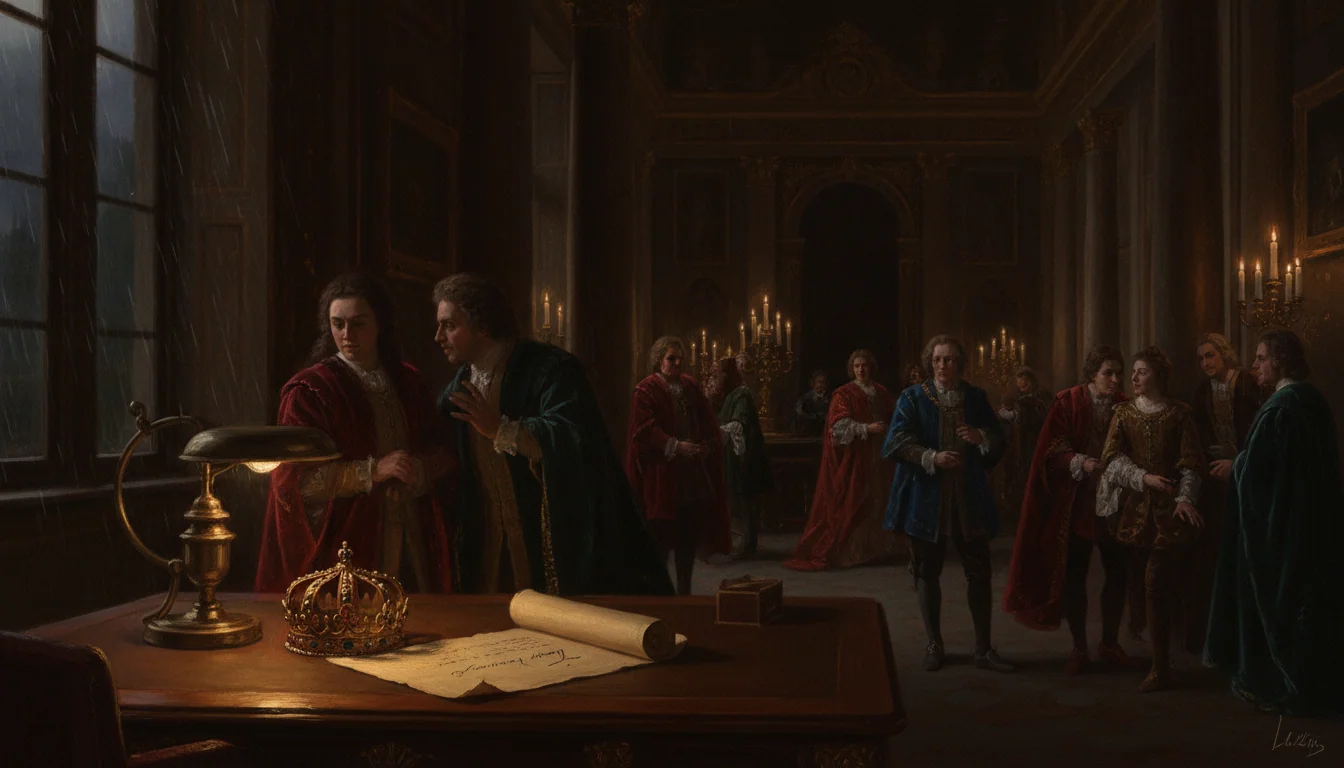
Parliament then passed a new law, driven directly by Catherine's case, making it treasonous for an unchaste woman to marry the king without disclosing her past, and treasonous for anyone with knowledge of such conduct to conceal it. Under that same act, Catherine and Jane Rochford were attainted together. Jane reportedly suffered some kind of breakdown in the Tower, and existing law protected the insane from execution, so Henry had Parliament amend the statute specifically to allow the execution of a condemned person even if she lost her sanity while awaiting death. Both women were beheaded at Tower Green in February 1542.
Henry did not remarry for well over a year, eventually taking Catherine Parr as his sixth wife. Contemporaries described him as aged and withdrawn after the scandal, a king who had staked his pride on a young wife's freshness and been humiliated in front of the courts of Europe. The Howard family's political fortunes, so carefully rebuilt after Anne Boleyn's fall, were shattered again, and it would be years before the Duke of Norfolk regained any real influence at court.
Modern historians have increasingly reframed the story that Six the Musical dramatizes for a very different audience: not a wanton teenager who got what was coming to her, but a girl handed between older men, Manox, Dereham, Culpeper, and finally Henry himself, almost none of whom faced anything close to the consequences she did. Read against the surviving documents rather than the ghost stories, that version holds up considerably better.
Quick Answers
Common questions about this topic
How old was Catherine Howard when she married Henry VIII?
Her exact birth year was never recorded and historians still dispute it, but most estimates place her somewhere in her mid to late teens when she married Henry in July 1540, against a king approaching fifty.
Was Catherine Howard actually guilty of adultery?
The documented record includes a letter in her own hand to Thomas Culpeper and confessions from several men involved, which strongly suggests guilt. However, Catherine was never tried in open court. Parliament convicted her by Act of Attainder, without cross-examination or a defense.
Did Catherine Howard really run screaming down the Haunted Gallery at Hampton Court?
That famous story appears in no contemporary letter or ambassador's dispatch. It surfaces only in much later retellings and is now part of Hampton Court ghost-tour folklore, not the documented historical record.
What happened to Thomas Culpeper and Francis Dereham?
Both were convicted of treason and executed on December 10, 1541. Culpeper, as a nobleman, was beheaded. Dereham, a commoner, was hanged, drawn, and quartered. Their heads were displayed on London Bridge.

Summon the Court
Chat with the monarchs and courtiers at the heart of the scandal.
Create your free account →No card required. Some figures and features require a paid plan.
Join the HistorIQly Club
Get smarter about the past.
Weekly stories, deep dives, and exclusive content straight to your inbox.