How Victor Lustig Sold the Eiffel Tower Twice
The true story of Victor Lustig, the con man who convinced Paris scrap dealers to buy the Eiffel Tower for salvage, not once but twice, in 1925.
Read Wikipedia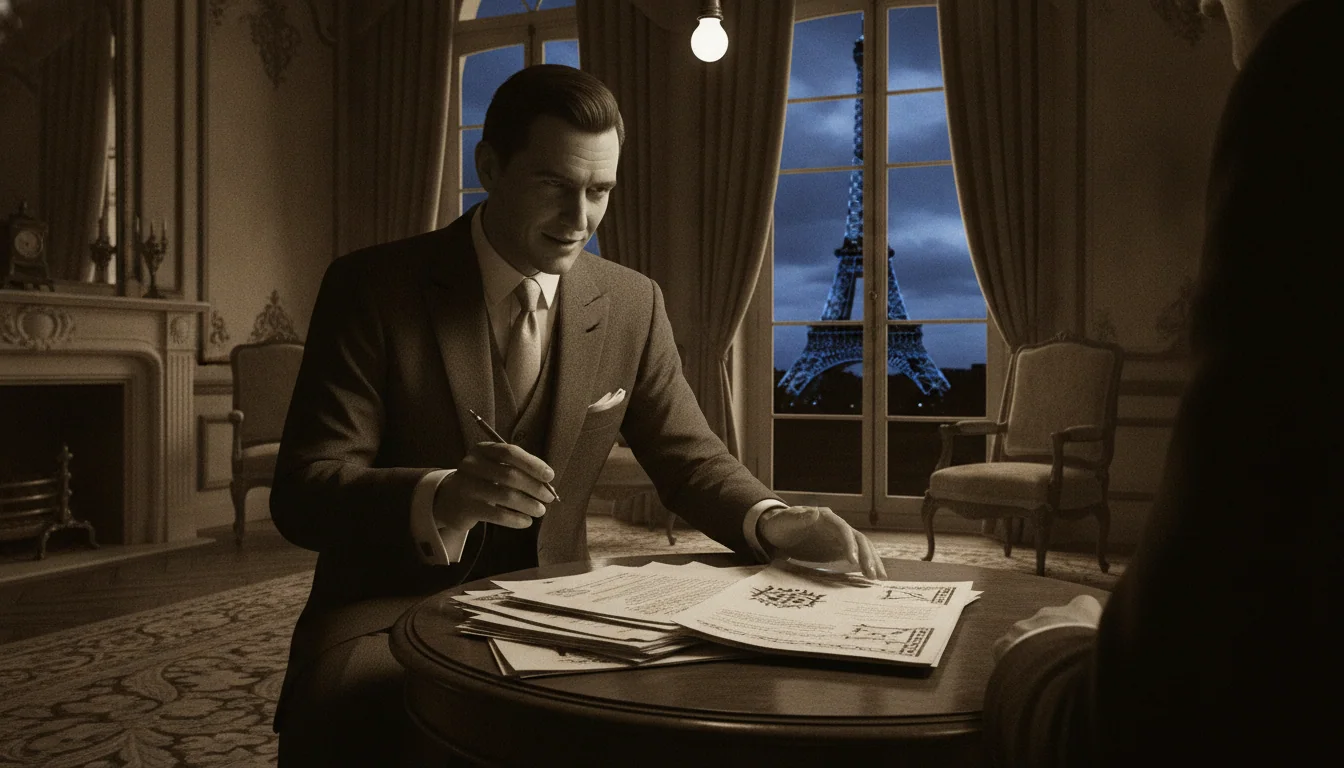
In 1925, a Paris newspaper ran a small item that most readers skimmed past without a second thought: the Eiffel Tower was expensive to maintain, badly in need of repainting, and some officials privately wondered whether it was worth the trouble at all. It was the kind of bureaucratic grumbling that appears in every city's press every year and changes nothing.
One reader took it as an opportunity. His name was Victor Lustig, and by the time he was finished, he had convinced an ambitious Paris businessman to pay him for the right to melt down the most famous structure in France.
The mark
Lustig, born in Bohemia in 1890, had spent years running card scams on transatlantic ocean liners before settling into confidence work on a grander scale. He understood something most con men never learn: the biggest lies work best when they explain something the mark already half believes. Parisians in 1925 already knew the tower was controversial. Built for the 1889 World's Fair on a permit meant to expire after twenty years, it had survived only because it proved useful for radio transmission. The idea that officials might finally tear it down was not absurd. It was, if anything, plausible.
Lustig's target was not the tower itself. It was the men who bought and sold scrap metal for a living, the people who would recognize a lucrative demolition contract when they saw one and who had every incentive to keep a quiet deal quiet.
By 1925 he was already using dozens of aliases and had earned the nickname "Count Lustig" for his talent at dressing and speaking like minor European nobility, a skill that let him move through hotel lobbies, embassy receptions, and business meetings without ever quite belonging to any of them. Reportedly fluent in several languages, he could pass as French, German, or American depending on which accent the mark expected to hear. The Eiffel Tower scheme was not his first fraud and would not be his last, but it remains the boldest thing he ever tried, precisely because the "asset" being sold was something every mark could see with their own eyes from almost anywhere in the city.
The crew and the plan
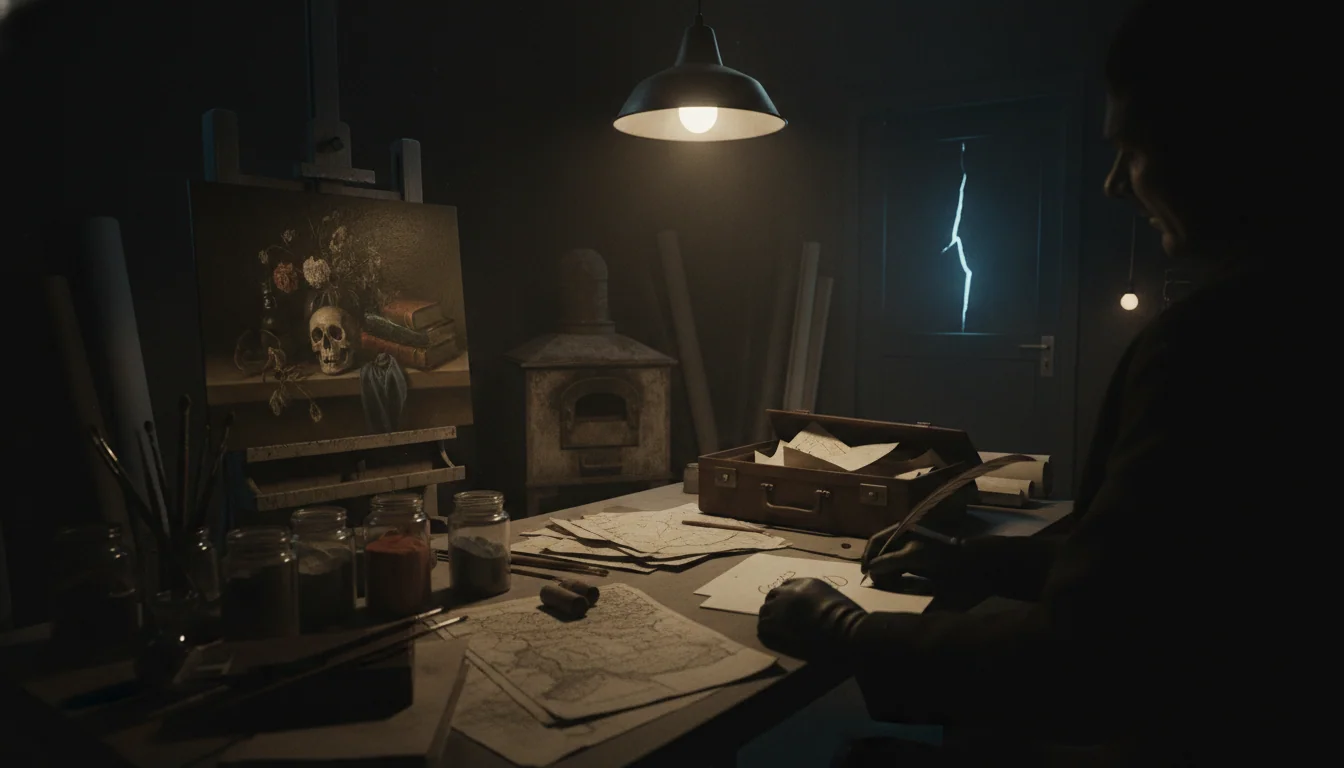
Working largely alone, Lustig had stationery forged in the name of the Ministry of Posts and Telegraphs, a real French government ministry with a plausible technical tie to the tower given its use for radio transmission, and gave himself the title of a senior official within it. He used the letterhead to invite a small group of Paris scrap metal dealers, reportedly around five, to a confidential meeting at the Hotel de Crillon, one of the city's grandest addresses and a venue chosen precisely because its prestige would discourage skepticism.
At the meeting, Lustig explained that the Eiffel Tower had become a structural and financial liability, that the government had quietly decided to dismantle it, and that his ministry had been tasked with handling the sale of its scrap metal. He stressed secrecy above all else. The public, he said, would be furious if word leaked before the decision was final, so bids needed to be submitted discreetly and the whole affair kept out of the papers. To men accustomed to government contracts moving at a glacial, secretive pace, this had the unmistakable ring of truth.
Lustig then took the dealers on a tour of the tower itself, arriving by chauffeured government car and walking them through its ironwork as though inspecting a piece of property he already owned. He pointed out the corrosion, the outdated elevator machinery, and the cost of the repainting that Paris newspapers had already been complaining about for weeks. Nothing he said about the tower's condition was actually false. He simply attached a false conclusion to it: that the only sensible answer to an aging monument was to melt it down for the value of its iron.
The genius of the plan was not the fake letterhead or the borrowed government title. It was Lustig's read on human nature. Scrap dealers spend their careers evaluating opportunities that sound too good to check twice, because checking twice means a competitor gets there first. Lustig gave them a story urgent enough to discourage due diligence and official enough to survive a glance.
The job
Among the dealers who toured the tower with Lustig and submitted bids, one stood out: Andre Poisson. Poisson was ambitious and, by most accounts of the episode, somewhat insecure about his standing among Paris's established business elite. Landing a contract this large, arranged personally by a government official, was exactly the kind of validation he wanted. Lustig chose him as the winning bidder.
Poisson's wife reportedly raised doubts. A deal this large, arranged in secrecy and moving this fast, made her suspicious. Lustig, sensing the hesitation, deployed the move that made the whole con work. He hinted, delicately, that his government salary was modest and that a personal consideration, a bribe, would help smooth matters along and guarantee the contract stayed his to award.
It was a calculated risk that paid off completely. A dishonest offer, paradoxically, made Lustig seem more believable rather than less. Poisson had spent his career assuming that French officials were at least somewhat corrupt. A bureaucrat quietly angling for a bribe fit his expectations of how government business actually got done. An official who asked for nothing at all would have been the stranger, more suspicious figure. Poisson paid both the price for the tower's scrap rights and the personal bribe, and Lustig left Paris with the cash, reportedly slipping across the border into Austria before anyone came looking for him.
The unravelling, twice
Poisson eventually realized he had been conned. He did not go to the police. Admitting that a prominent Paris businessman had handed a stranger a fortune for a monument that was never for sale, and thrown in a bribe on top of it, was too humiliating to risk. He absorbed the loss and said nothing. Lustig had gambled correctly that shame would protect him better than any alibi, and for the first sale, it did. No charges were ever filed.
Emboldened rather than cautious, Lustig returned to Paris months later and ran the identical scheme on a fresh set of scrap dealers, forged ministry letterhead and all. This time his luck ran out. According to the most widely repeated version of events, the dealer he approached grew suspicious of the offer and went to the police before any money changed hands. With French authorities now actively looking for him, Lustig fled across the Atlantic to the United States, where a con man with a talent for costumes, forged credentials, and reading a mark's vanity could still find plenty of work.
Where are they now
Lustig's American career only expanded his reputation. He peddled a device that became known as the money-printing box, a contraption that appeared to duplicate genuine currency but actually just delayed the reveal that it produced nothing at all, to marks eager to believe they had found a machine that manufactured cash. He reportedly talked his way into a meeting with Al Capone in Chicago, took a reported $50,000 from the gangster with a promise to double it through a stock deal, then returned every dollar untouched months later, claiming the investment had fallen through. Capone, impressed that a stranger had handed back an untouched fortune rather than an excuse, gave him a few thousand dollars as a reward. That reward, not the failed deal, had been Lustig's actual objective all along.
His downfall came from a more conventional crime. By the early 1930s, Lustig was running a substantial counterfeiting operation, flooding American cities with bogus bills convincing enough to alarm the Secret Service for years. He was finally arrested in 1935. He reportedly staged a brief escape from custody in Manhattan using a rope improvised from bedsheets before being recaptured weeks later. Convicted on counterfeiting charges, he was sent to Alcatraz. He died in federal custody in Missouri in 1947, still, by most accounts, insisting he had never done an honest day's work he could not talk his way around.
The Eiffel Tower, of course, stayed exactly where it was, repainted rather than demolished, and stands there still. Every year millions of tourists photograph the one landmark in history that a stranger managed to sell twice to people who should have known better, and very nearly got away with both sales.
For other con artists who talked their way past people who should have known better, see the theft of the Mona Lisa and Anna Sorokin, the fake heiress who conned New York.
Quick Answers
Common questions about this topic
Did Victor Lustig really sell the Eiffel Tower?
Yes. In 1925 he posed as a French government official, convinced a group of Paris scrap metal dealers that the tower was being demolished, and collected payment for its scrap rights from a dealer named Andre Poisson. He then tried the same con again on a second group of dealers months later.
How much money did Victor Lustig make from the scam?
Accounts of the exact figures vary, but Lustig reportedly collected both a purchase price for the tower's scrap rights and a separate personal bribe from Poisson, then left the country with the cash before the fraud was discovered.
Why didn't the first buyer go to the police?
Andre Poisson was reportedly too embarrassed to admit publicly that he had been swindled and had paid a bribe to a government official who did not exist. His silence let Lustig escape prosecution entirely for the first sale.
What eventually happened to Victor Lustig?
He kept conning marks across Europe and the United States, including a scheme that reportedly took Al Capone for tens of thousands of dollars, before being caught running a large counterfeiting operation. He was convicted, sent to Alcatraz, and died in federal custody in 1947.

Question the Thieves
Chat with the detectives and masterminds behind history's boldest heists.
Create your free account →No card required. Some figures and features require a paid plan.
Join the HistorIQly Club
Get smarter about the past.
Weekly stories, deep dives, and exclusive content straight to your inbox.