The Hurt Locker vs. History: How Accurate Is Kathryn Bigelow's Oscar Winner?
The Hurt Locker historical accuracy examined: Bigelow's bomb disposal thriller gets the psychology right but EOD operations deeply wrong, say veterans who were there.
Read Wikipedia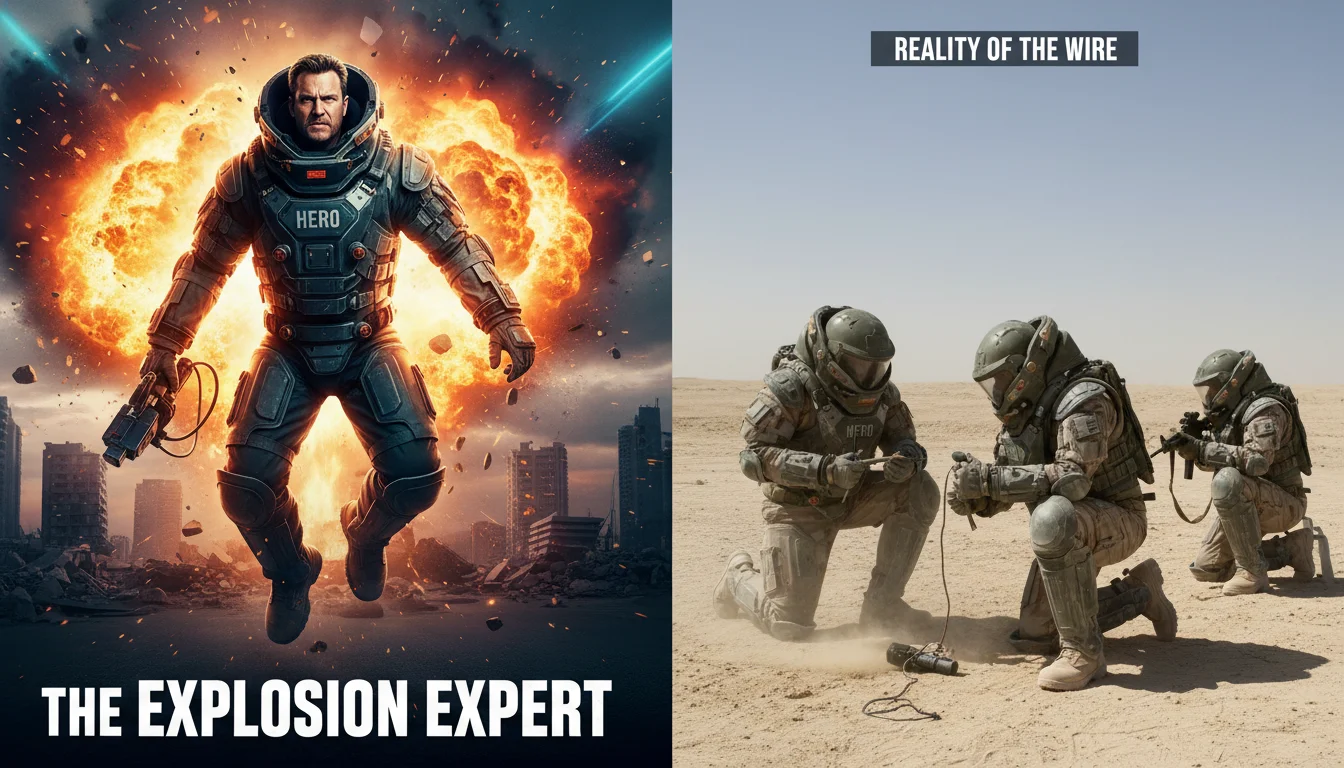
The Hurt Locker (2009) won six Oscars including Best Picture and made Kathryn Bigelow the first woman to win Best Director. Jeremy Renner's portrayal of a bomb disposal specialist addicted to danger created one of the most intense war films of the 21st century.
But how accurate is the film's depiction of Explosive Ordnance Disposal (EOD) operations during the Iraq War? Let's separate Hollywood's version from the reality of one of the military's most dangerous jobs.
What Hollywood Got RIGHT
The Psychological Toll Was Real
The film's central theme - that bomb disposal can become addictive - reflects genuine psychological dynamics. EOD technicians described experiencing intense focus and clarity under pressure, followed by difficulty adjusting to normal life.
Veterans confirmed the phenomenon: the mundane world felt colorless compared to the life-and-death intensity of disarming IEDs. Some techs genuinely struggled with the return home, finding civilian routines unbearably boring after months of constant adrenaline.
The opening quote - "War is a drug" - captured something true about the experience, even if the specific character behaviors were exaggerated.
The IED Threat Was Catastrophic
The film accurately portrayed the devastating impact of improvised explosive devices. IEDs were responsible for roughly 60% of coalition casualties during peak insurgency years (2006-2007).
The variety of devices shown - car bombs, suicide vests, roadside bombs, buried artillery shells - all matched real threats EOD teams faced. Insurgents constantly adapted, creating increasingly sophisticated trigger mechanisms.
The psychological impact of knowing any pile of trash or dead animal might conceal a bomb was genuinely crushing. The film captured that pervasive paranoia effectively.
The Heat and Dust Were Accurate
Iraq's environment was as punishing as depicted. Temperatures exceeding 120°F (49°C) were common in summer. Wearing an 80-pound bomb suit in that heat was genuinely nightmarish.
EOD veterans confirmed the authenticity of scenes showing technicians drenched in sweat, struggling with overheating, and experiencing near-delirium from heat exhaustion. The environmental conditions weren't exaggerated.
Radio Communication Issues Happened
Communication failures between bomb techs and their team were genuine problems. Radio interference, equipment failures, and the chaos of urban combat all created dangerous gaps in coordination.
The film's scenes of techs being unable to hear warnings or commands reflected real operational challenges that sometimes had fatal consequences.
What Hollywood Got WRONG
The Lone Wolf Cowboy Was Pure Fiction
This is where the film diverges most dramatically from reality.
Real EOD operations were methodical, team-focused, and followed strict protocols. Technicians who acted recklessly didn't last long - they either got removed from duty or got killed. The idea of a "maverick" bomb tech who ignores safety procedures and survives would be laughable to actual EOD personnel.
Sergeant First Class Jeffrey Sarver (who claimed to be the inspiration for the character) and numerous other EOD veterans strongly criticized the film's portrayal as dangerously unrealistic. Real bomb techs described the protagonist's behavior as "suicidal" and "nothing like reality."
Going Off Alone Would Get You Court-Martialed
Multiple scenes show the protagonist wandering away from his team, removing his comms equipment, and pursuing personal vendettas. In reality, this would result in immediate disciplinary action.
The sequence where he goes into the city alone at night searching for a boy is pure Hollywood fantasy. Such actions would violate countless regulations and put entire operations at risk. He would have been relieved of duty and possibly court-martialed.
The Sniper Sequence Was Absurd
The extended desert sniper duel - while cinematically gripping - was operationally nonsensical. EOD teams didn't conduct offensive combat operations or get into sustained firefights with insurgents.
Their mission was bomb disposal, not infantry tactics. If they encountered enemy contact, they would call for support from combat units - not engage in extended shootouts in the desert.
Real EOD Rotations Worked Differently
The film implies near-constant bomb disposal operations with minimal downtime. Real deployments had significant periods on base between calls. EOD teams weren't responding to bombs every single day - though when calls came, they were genuinely terrifying.
The operational tempo shown in the film, while intense on screen, doesn't match the actual rhythm of EOD deployments.
The Base Security Was Fiction
Multiple scenes show incredibly lax security - the protagonist casually drinking at night, sneaking off base, wandering around without supervision. Real forward operating bases had strict security protocols that made such behavior impossible.
Gear and Procedures Had Issues
Real EOD techs noted numerous technical problems:
- The bomb suit used was an older model, not what was actually deployed in 2004
- Procedures shown for approaching and disarming devices often skipped critical safety steps
- The casual attitude toward explosive handling would be unthinkable in reality
- The protagonist's habit of removing protective gear mid-operation would never happen
The Bigger Picture: Realism vs. Drama
The film's defenders argue it captured emotional truth even when sacrificing literal accuracy. The psychological intensity, moral ambiguity of occupation, and human cost of war were portrayed effectively - even if specific operational details were wrong.
Critics counter that depicting EOD work as reckless adrenaline-junkie behavior disrespects the actual professionalism and discipline required for the job. Real bomb techs emphasized that successful EOD work requires extreme caution, methodical thinking, and rigorous adherence to procedures - precisely the opposite of the film's portrayal.
Historical Context: The Iraq War
The film is set in 2004, during the peak of the Iraqi insurgency. This was accurate timing - IED attacks had escalated dramatically as insurgent groups adapted tactics.
The chaotic urban environment shown in Baghdad was realistic. The civilian population's ambiguous status - potential threats or innocent bystanders - reflected genuine operational challenges.
However, the film largely ignores the political context and broader strategic questions about the Iraq War, focusing narrowly on individual experience. This artistic choice avoided controversy but also limited historical depth.
Interesting Details Hollywood Got Right
Despite operational problems, some specific details were accurate:
The Blast Physics: Explosion effects and the devastating power of IEDs were portrayed realistically (with Hollywood enhancement, naturally).
The Improvised Nature of Insurgent Tactics: The variety and creativity of bomb designs reflected real insurgent innovation.
The Uncertainty: The constant question of "is this a bomb or just trash?" captured genuine operational stress.
The Boredom Between Calls: Brief glimpses of downtime, banter, and tedium were accurate (though the film focused far more on action).
The Bottom Line
The Hurt Locker works better as psychological drama than historical documentation. It captures something true about war's psychological impact and the difficulty of returning to normal life. The visceral tension and individual experiences resonate.
But as a depiction of actual EOD operations? It's deeply flawed. The protagonist's cowboy behavior bears little resemblance to how real bomb disposal units operated. The film prioritized thriller intensity over operational accuracy.
Real EOD techs had a dangerous, demanding job requiring extraordinary discipline and courage. They deserve credit for their actual professionalism - not a Hollywood caricature of reckless adrenaline addiction.
Historical Accuracy Score: 4/10
What It Got Right: IED threat, psychological toll, environmental conditions, general chaos of Iraq War
What It Got Wrong: Operational procedures, protagonist's reckless behavior, team dynamics, mission structure, security protocols
The Verdict: Powerful filmmaking, emotionally honest about war's impact, but operationally inaccurate in ways that genuinely bother EOD veterans. Watch it as psychological drama, not documentary.
For more historical movie analysis, check out our deep dives into other war films like 1917, Dunkirk, and Saving Private Ryan.

Debate the Accuracy with the Real Figures
Ask the real people what Hollywood got wrong about their lives.
Create your free account →No card required. Some figures and features require a paid plan.
Join the HistorIQly Club
Get smarter about the past.
Weekly stories, deep dives, and exclusive content straight to your inbox.